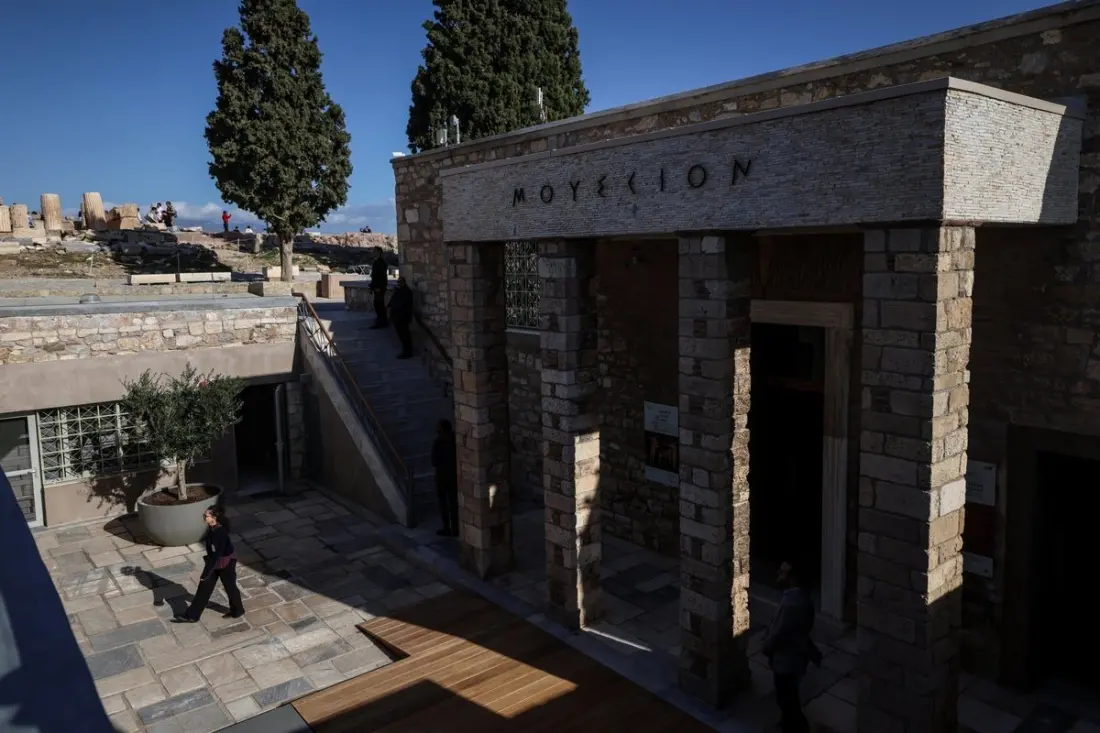
A small stone building near the top of the Acropolis has quietly come back to life. The Old Acropolis Museum, purpose-built in 1874 and the oldest museum in modern Greece, reopened to the public this week after an 18-year closure and a seven-year, €6.2 million restoration funded by public money and private donations.
The building's history explains the long gap. When the striking glass-and-concrete Acropolis Museum opened at the foot of the hill in the late 2000s, the old museum's celebrated sculptures and masterpieces were painstakingly lowered down by crane and moved into the new space. The historic structure then sat unused, serving behind the scenes as offices and storerooms from 2007 onwards. Culture Minister Lina Mendoni admitted that relegating such a significant building, with its unmatched position on the sacred rock, to admin space felt like "an affront" — so the decision was taken to return it to its original job.
Visitors returning now will find more than a simple rehang. The revamped museum displays ancient objects that have never been shown publicly before, digital installations tracing 2,500 years of the Acropolis monuments, and a glassed-in viewing gallery where Culture Ministry conservators carry out restoration work on antiquities in plain sight. Prime Minister Kyriakos Mitsotakis cut the ribbon and framed the reopening as a milestone for Greek heritage.
He also used the moment to revive Greece's most famous cultural cause: the return of the Parthenon Sculptures from the British Museum. Mitsotakis restated that Athens considers London's position on ownership a non-starter — Greece will not accept the marbles back as a loan, insisting their rightful place is "beneath the Attic light" beside the temple they came from.
The timing is good for travellers. The Acropolis remains Greece's most visited ancient site, drawing more than 4.6 million admissions last year, and the Parthenon has just shed the heavy scaffolding that has wrapped it for years — a rare window to see the temple in something close to its full silhouette, even as restoration crews keep working through the summer. The old museum adds a quieter, less crowded stop to a summit that can feel overwhelming in high season: cool stone rooms, newly revealed artefacts, and a sense of the hill's 19th-century heritage layered under the ancient one.