On a November morning in 1891, a small boat set out from the village of Preko on the island of Ugljan, bound for Zadar with washed laundry and the women who had cleaned it. It never made it across the channel. Near the tiny islet of Galevac, a fierce southerly wind — the jugo that still menaces the Adriatic — flipped the vessel in just three metres of water. Sixteen women drowned, two of them pregnant. The youngest victim was 14, the oldest 75.
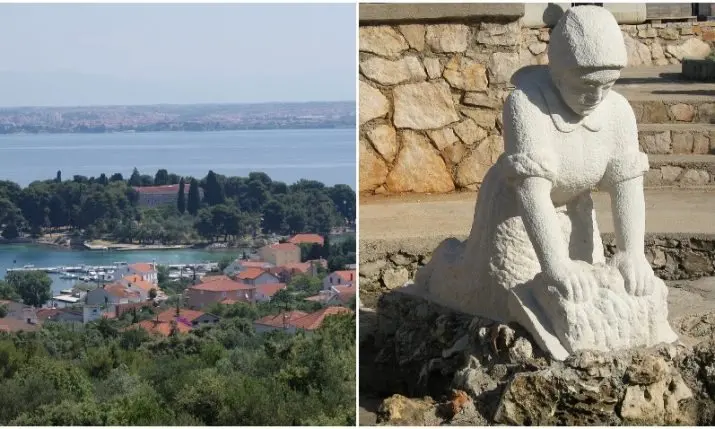
The disaster is remembered this week on its anniversary, and it remains one of the darkest chapters in Ugljan's history. The women who died were part of a working culture local people call the priješke lavandijere — the laundrywomen of Preko. Through the 19th and early 20th centuries, they washed clothes for well-off families in Zadar, crossing the few kilometres of sea between island and mainland week after week.
The routine was relentless. Laundry was collected on Mondays and returned, washed and ironed, on Saturdays. There were no machines: big wooden tubs, homemade soap and ash did the work, and the final rinse happened in fresh seawater at the shore. The money they earned was a lifeline for Preko families, but the job meant constant crossings in small sailing and rowing boats, at the mercy of the weather.
The end came quickly. At around 7 am on 2 November, the boat was carrying 31 people — seven men and 24 women — when the jugo hit. As the storm bore down, the women sheltered below deck with the laundry, and the hatch was closed to keep the weather out. When the boat capsized, that decision trapped them. The men on deck had a chance; the women below did not. Their names — Matija Babin, Jakova Dorkin, Ivana Dorkin, Luce Dorkin, Tomica Dorkin, Tonina Dorkin, Gašpa Jurin, Bara Jurin, Ivana Lovrić, Šimica Lovrić, Matija Markulin, Matija Martinov, Stoša Mašina, Gašpa Matacin, Tomica Matacin and Kate Mazić — are still part of the village's collective memory.
For travellers, this is the kind of story that gives the Dalmatian coast its depth beyond the beach bars. Preko is the first village most visitors reach on Ugljan, a short ferry hop from Zadar, and Galevac — sometimes called Školjić — is the tiny green islet topped by a Franciscan monastery that sits just offshore. Knowing what happened in those waters in 1891 changes how you see the channel: not just a pretty strait, but a workplace where generations of women risked the crossing to feed their families. The jugo wind that killed them still whips up the Adriatic every autumn and winter, and locals still treat it with respect.
If you're visiting Zadar or island-hopping through Dalmatia, an afternoon on Ugljan pairs easily with a city stay — ferries run frequently, and the crossing takes about 25 minutes. Ask in the village about the laundrywomen and you'll find the story is still very much alive.