Planning to drive in Croatia next year? A major overhaul of the country's Road Traffic Safety Act is moving forward, with the Ministry of the Interior publishing draft amendments for public consultation ahead of a planned rollout on 2 November 2026. The changes touch everything from social media stunts to parking on pretty Dalmatian squares, so they're worth knowing before you pick up the keys to a hire car.
The headline change targets drivers who film their own reckless driving and post it online. What used to count as ordinary phone use behind the wheel — a 130 euro fixed fine — now carries penalties of 800 to 2,000 euros if you're recording your own unlawful driving and publishing it. Lawmakers argue these clips normalise dangerous habits and invite copycats.
There's also a practical shift that will matter to any visitor who scrapes a bumper. For the first time, Croatian law defines a "minor traffic accident": one with only material damage where the car remains roadworthy and can be moved. Police will no longer be required to attend these if drivers exchange details or fill in a European Accident Statement themselves. And if you refuse to move your car off the carriageway while waiting for police, the fine jumps from 60 to 200 euros.
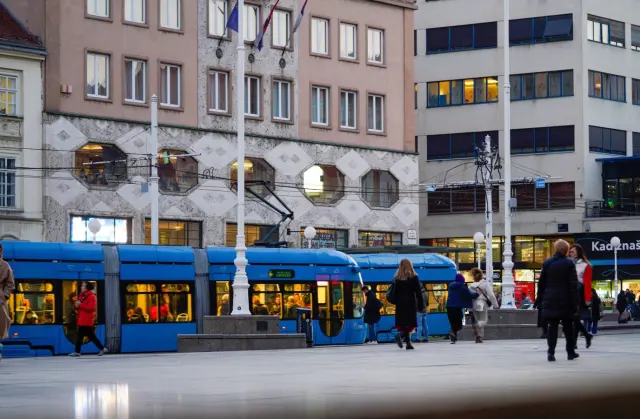
City-centre parking is getting much tighter too. The draft introduces a formal restricted traffic zone and an absolute ban on stopping and parking in squares, historic complexes and pedestrian-only areas — no more leaning on the old rule about leaving 1.60 metres of passage for pedestrians, a loophole delivery drivers used liberally. Tow truck powers are expanding as well: a wrongly parked vehicle can be lifted off a pavement if less than one metre of clear passage remains, and obstacles now include bollards, bins and outdoor café terraces, not just buildings. Park carelessly in a spot like Split's Riva and you could come back to an empty space and a hefty recovery bill.
Finally, taxis and electric cars will get special registration plates. For taxis it's about oversight; for EVs it's a safety measure — lithium-ion battery fires burn far hotter, release toxic gases and require different firefighting tactics, so distinctive plates let crews identify electric propulsion the moment they arrive.
For travellers, the takeaway is simple: Croatian roads are becoming a stricter place, particularly in historic town centres where enforcement of parking rules has long been inconsistent. Fill in your accident paperwork properly, keep the phone in the glovebox, and double-check parking signs before leaving the car.