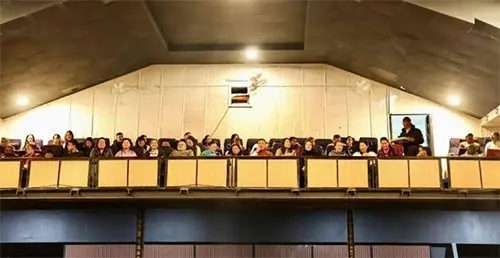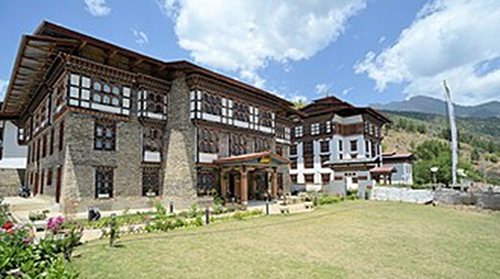
The National Library and Archives of Bhutan in Thimphu has quietly taken on a second life. Beyond preserving archives and lending books, it has turned into one of the capital's most popular study spaces, drawing more than 2,000 registered members — many of them students cramming for the Bhutan Civil Service Commission (BCSE) exams.
Junior librarian Tshering Phuntsho says visitor numbers climb every year, driven largely by civil service candidates who want a calm desk, reliable WiFi and access to computers — things that can be hard to find in shared homes or busy city cafes. The library opens from 9 am to 7 pm, a generous stretch that lets students settle in for full days of revision.
It isn't just exam season that brings people in. During the winter school break the library runs dedicated programs, giving younger students a warm, structured place to read and study when classes are out.
Membership runs through the Jigme Dorji Wangchuck Public Library, which sits inside the National Library complex and is open to anyone. Fees are refreshingly small: children in Class 8 and below pay 25 ngultrum to join plus a 250 ngultrum deposit, while Class 9 students and adults pay 50 ngultrum with a 500 ngultrum deposit. That's roughly a dollar or two in most cases — a symbolically priced ticket to one of the quietest corners of the capital.
Students told The Bhutanese it's one of the few places in Thimphu where they can genuinely concentrate, with books, reading materials and internet access all under one roof. The flip side is space: as crowds grow, the library is pushing up against the limits of its building, raising fair questions about how it will accommodate demand.
Why should a traveller care? If you're passing through Thimphu, the library is worth more than a quick photo stop. Its traditional Bhutanese architecture is striking, it houses one of the world's most curious attractions — a cellar of antique books and manuscripts, and famously a recorded Punakha Dzong model and old religious texts — and its reading rooms now offer a genuine slice of local daily life. Sit among students preparing for the exams that shape Bhutan's bureaucracy and you'll understand the country's youth culture better than any brochure can tell you. Membership is open to the public, so long-stay visitors and digital nomads could even use it as a work base for the day.
For budget travellers, the numbers alone make it notable: a few ngultrum buys access to WiFi, computers and shelves of material in a city where affordable quiet spaces are scarce. It's a reminder that some of the most rewarding stops in a destination are the ones locals rely on every day, not the ones built for tourists.