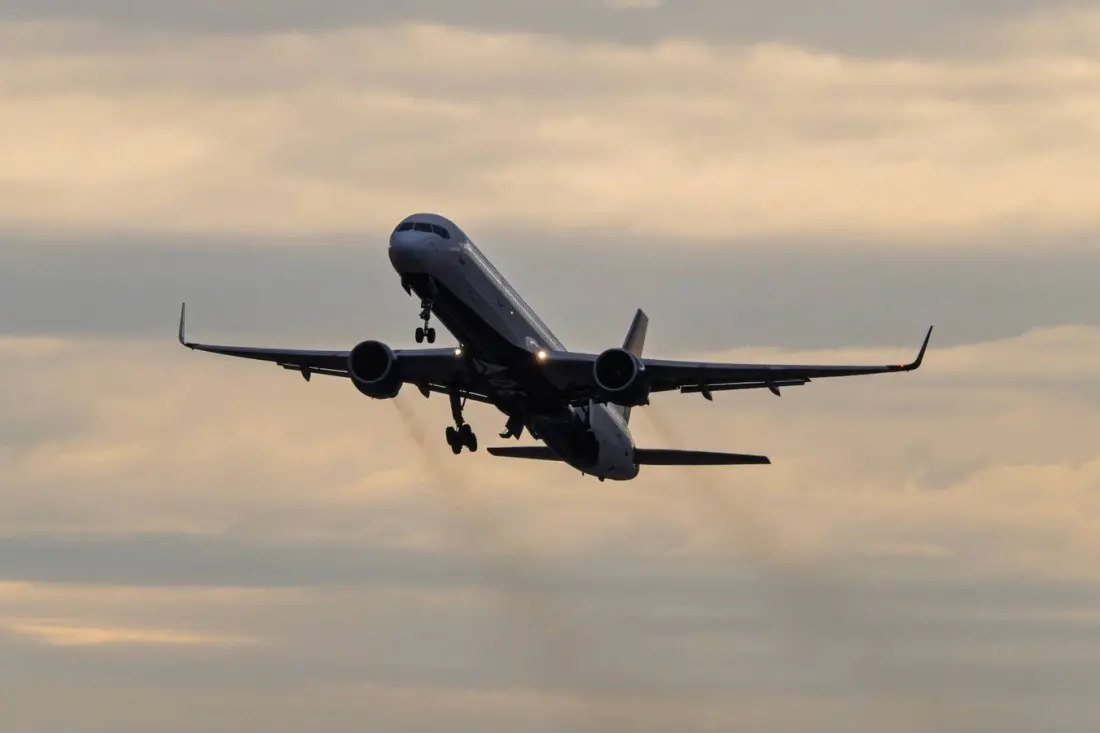
Only 55 were ever built, yet the Boeing 757-300 refuses to fade away. The longest single-aisle airliner ever made - 178.7 feet nose to tail - turned out to be one of Boeing's weakest sellers, and paradoxically one of the hardest planes for airlines to replace. Just two major passenger operators remain: United Airlines and Delta Air Lines, and neither has named a successor.
The stretched 757 debuted with Condor in 1999, seating 234 to 243 passengers across two classes and up to 295 in charter layout. Orders were thin from the start: Northwest Airlines took 16 (later inherited by Delta), Condor 13, ATA 12, Continental nine, with Arkia, Thomas Cook and Icelandair picking up the rest. Nearly all came powered by Rolls-Royce RB211 engines; only Northwest chose Pratt & Whitney. Compare that to the shorter 757-200, which sold 913 of the family's 1,050 total production run before the line closed in 2004.
The problem was the niche. The 757-300 was a high-capacity, medium-haul workhorse sitting awkwardly between the 737 and the 767. That market proved smaller than Boeing hoped, and the post-9/11 slump finished off new orders. Boeing toyed with a clean-sheet replacement - the New Midsize Airplane, or 797 concept - consulting over 50 airlines in 2017 and 2018, but the MAX crashes and COVID killed momentum. Airbus's A321XLR now covers much of that middle ground, though it's aimed at long, thin routes rather than the dense domestic flying the 757-300 did best, and it seats noticeably fewer people.
So United and Delta keep flying them. United's 21 examples average 23 years old; Delta's ex-Northwest fleet is closer to 24. Both airlines have retired or are retiring their 757-200s - partly swapping in A321XLRs - but the -300s stay on into the late 2020s and early 2030s. The economics work: the planes are fully paid off, their fuel appetite is offset by zero lease costs, and their cockpits and operations pair neatly with the 767, which both carriers also fly in the world's largest fleets.
For travellers, this is a quiet bit of good news. Aviation enthusiasts have a shrinking window to fly a genuinely unusual aircraft - a 55-unit oddity - on everyday routes, especially with United and Delta across the US and on some transcontinental segments. Plane spotters should also note a handful of 757-300s still flying freighter-side niches or with smaller operators like Ukraine's SkyLine Express and Uzbekistan's Fly Khiva. Once these airframes retire, no successor will really take their place; the market simply isn't big enough for any manufacturer to build one.
If you want to tick the type off your list, book a domestic US itinerary and check the equipment code (753) when choosing flights - it's the surest way to guarantee you're on the stretched version rather than a standard 757-200.