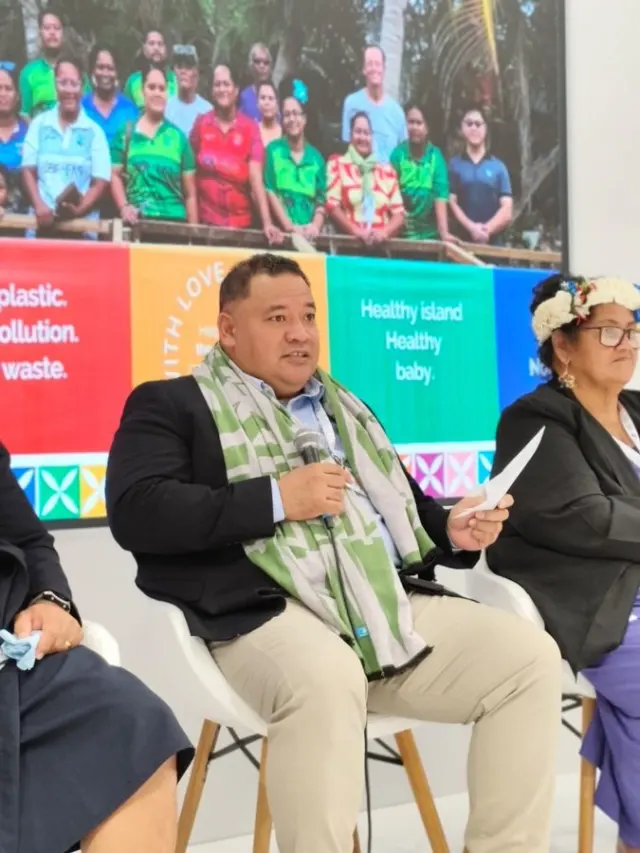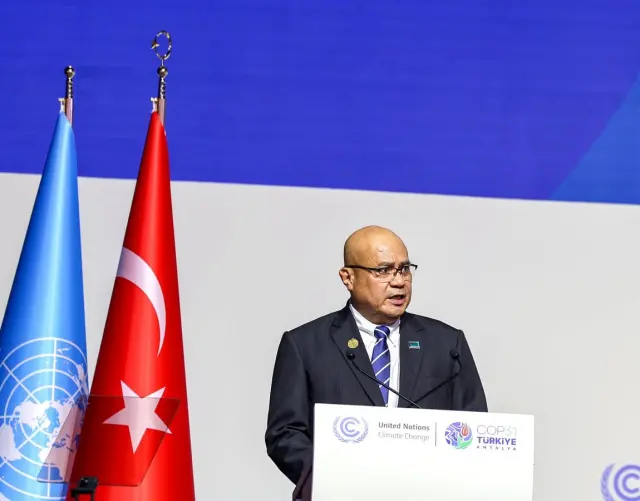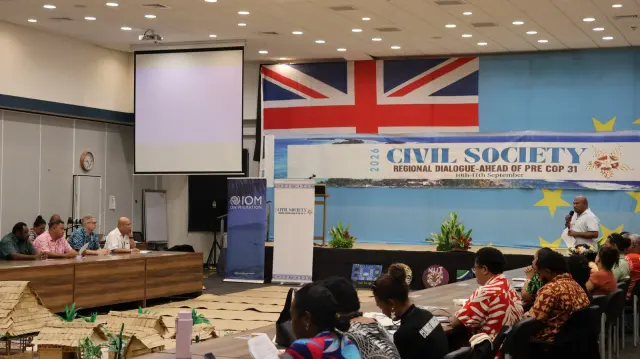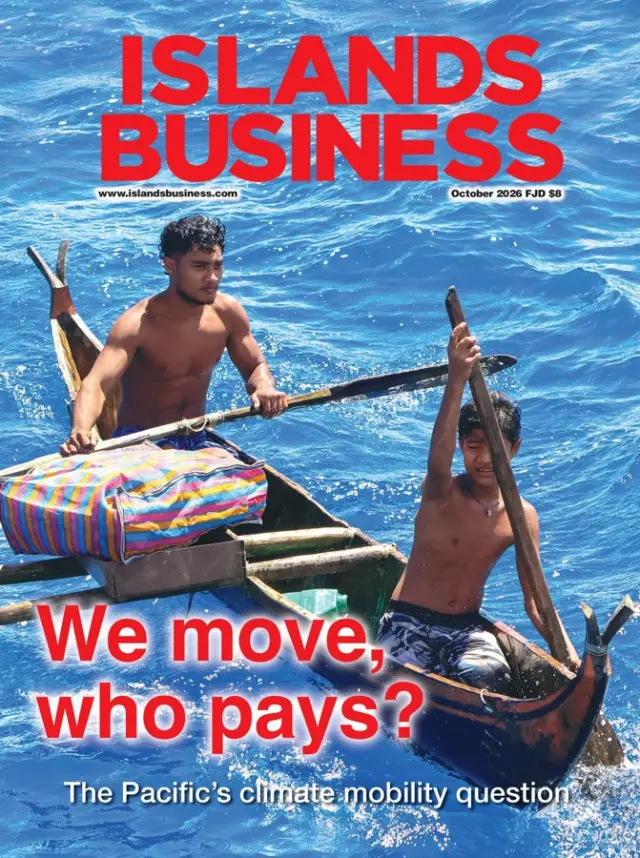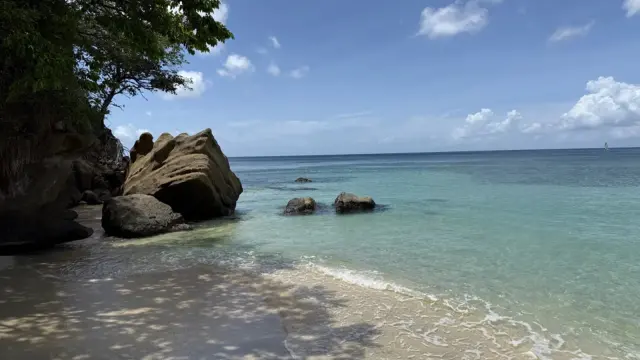
At COP31 in Antalya, Türkiye, Tuvalu's Prime Minister Feleti Teo delivered a blunt message: his country has no plans to abandon its homeland. Speaking at a migration-focused side event with the IOM and UNHCR on 16 November, he pushed back against the idea that rising seas will simply empty the nation, insisting the priority is protecting people, culture and sovereignty in place — through coastal defence, land reclamation and community resilience. Displacement, he said, is already happening, but any future movement must happen with dignity and by choice, not as a last resort.
Teo's second message, delivered at the Australian Pavilion, was about money. Tuvalu is building an Energy Transition Masterplan, backed by Australia through the Australia-Pacific Partnership for Energy Transition, aimed at cutting dependence on imported fossil fuels. His line to donors: ambition has had its day. "The Pacific does not need solutions designed for us without us. We need solutions designed with us, led by us, and owned by us."
He wasn't alone. The Pacific Political Champions on Climate — ministers from Tuvalu, Kiribati, the Marshall Islands, Niue and Tonga — pressed negotiators for grant-based climate finance, a credible push to triple adaptation funding by 2035, and real progress on loss and damage. Marshall Islands minister Jess Gasper Jr, whose own Bikini Island community can never return home because of nuclear testing, warned that overshooting the 1.5°C limit means more displacement across the region. Tuvalu's Dr Maina Talia, a veteran of ten COPs, put it more simply: "we come to tell the world that we are sinking."
Why does this matter if you're planning a trip to the Pacific? Because these islands are among the most rewarding — and most fragile — destinations on earth. Tuvalu, Niue, Kiribati and the Marshall Islands see a fraction of the visitors of Fiji or Tahiti, and their communities are actively shaping how tourism, energy and climate adaptation develop together. UN climate chief Simon Stiell noted nearly 200 countries are working through 165 mandates at one of the largest COPs ever held; the outcomes will influence everything from infrastructure funding to flight connectivity in nations like Tuvalu, where Fiji Airways is the main air link. Nearby, Fiji Airways has denied reports of redundancies, calling recent staff exits voluntary — a reassuring note for anyone booking regional connections through Suva.
If Tuvalu is on your list, go with the mindset of a guest supporting a community fighting for its future: choose locally owned stays, respect conservation rules, and understand that even small improvements to energy and coastal infrastructure are hard-won. The islands' message at COP31 was clear — they intend to remain. Travellers who show up thoughtfully are part of why that future is worth protecting.