If you're eyeing the Cook Islands for a summer getaway, it's worth knowing the region's weather service is flagging a busier-than-usual cyclone season ahead.
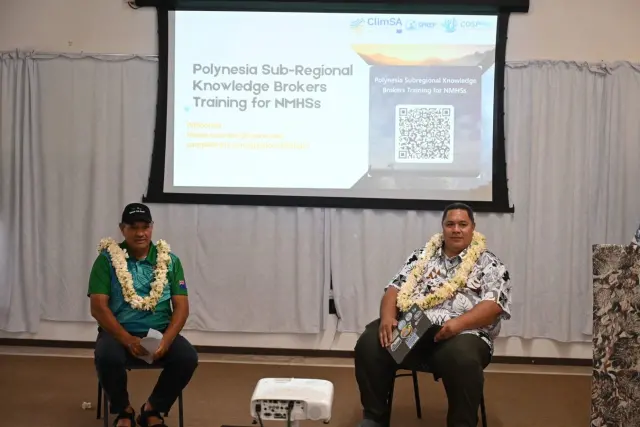
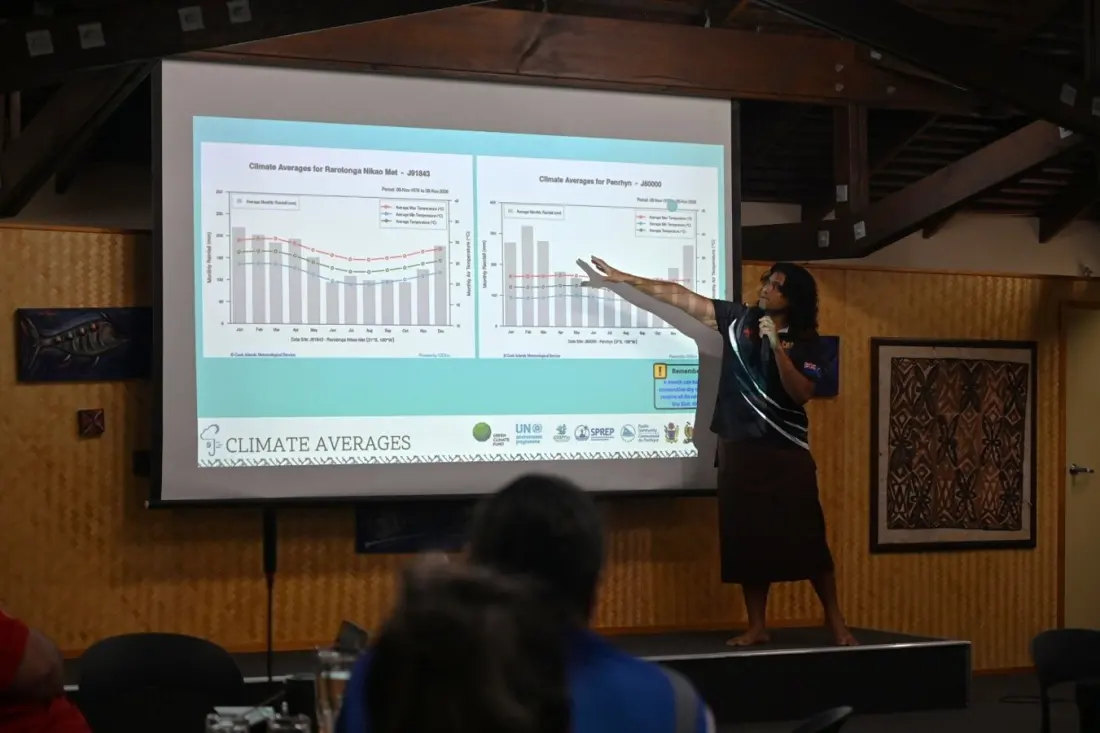
The Cook Islands Meteorological Service released its 2026/27 seasonal climate and ocean outlook at the National Climate and Ocean Forum, held at the Edgewater Resort in Rarotonga on 9 November. The message from forecasters was blunt: a strong El Niño is developing and likely to persist through January to March 2027, bringing an elevated tropical cyclone risk, particularly to the Northern Cook Islands.
The forecast calls for one to three named cyclones across the country this season. The Northern Cook Islands face the highest risk with two to three predicted, while the Southern group — home to Rarotonga and Aitutaki, where most visitors stay — is rated normal to above normal, with one to two expected. Tropical Cyclone Wati has already hit in October, outside the official season, which runs from 1 November to 30 April. Directors of the service pointed out that cyclones don't respect calendars: Tropical Cyclone Martin struck in late October 1997.
Peak cyclone activity typically falls between December and March. El Niño also tends to mean drier stretches between the rain — climatologist Sunny Seuseu of SPREP warned residents not to mistake a few wet days (localised orographic rainfall over Rarotonga's hills) for a sign that normal conditions have returned, and urged water conservation instead.
For travellers, the practical takeaway is timing and insurance. The Southern Cook Islands remain a safe and popular destination year-round, but the December-to-March window carries a higher chance of disrupted flights, ferry cancellations between islands, and resort closures during a storm. If your trip falls in that window, book flexible fares, keep an eye on the Cook Islands Meteorological Service's Facebook updates, and make sure your travel policy covers cyclone-related delays. Shoulder months like May, June, October and November historically offer calmer weather with fewer crowds.
If you're travelling beyond Rarotonga to the outer islands — the Pa Enua — note that these remote communities face impacts first and have fewer resources to recover quickly, so services there can be knocked out for longer after a storm. Checking in with local operators before island-hopping is smart.
On the positive side, the forum also covered upgrades to the national weather observation network funded through the Green Climate Fund's CIS-Pac5 project, meaning forecasts and warnings should keep improving for both residents and visitors.
None of this should scare off a Cook Islands holiday — it's one of the South Pacific's most welcoming destinations. But with a strong El Niño steering the season, a bit of planning goes a long way.