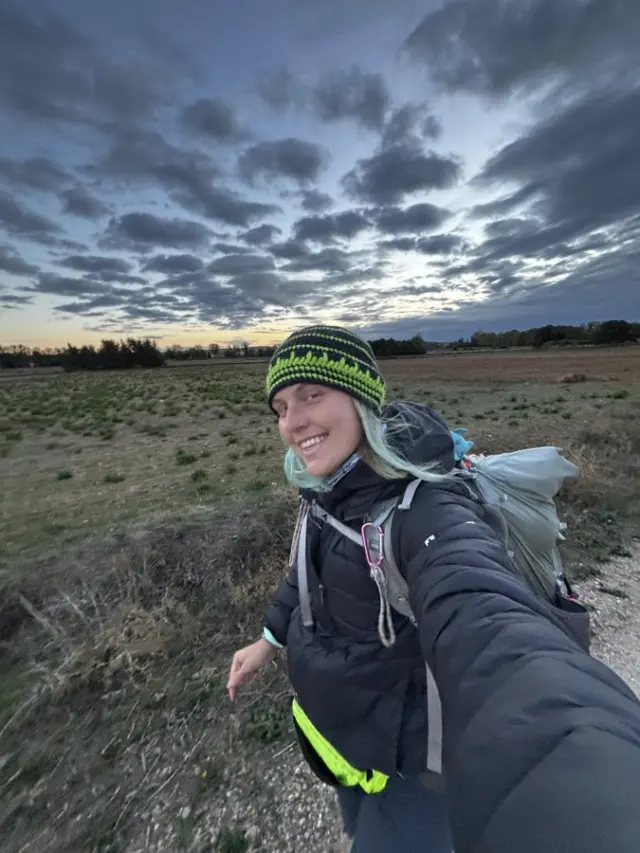
On 1 September, Canadian athlete Kalie McCrystal stood on the summit of the Matterhorn. Witnesses watched her move steadily down the mountain — and then she was gone. Italian authorities searched the Alps for a week before calling off the effort on 8 September. No trace of the 38-year-old has been found.
What makes the story so unsettling is that McCrystal was no novice. A former corporate lawyer who left law to chase mountains full-time, she became a world champion in skyrunning — a discipline combining fast trail running with scrambling up steep, exposed alpine terrain. She had summited the Matterhorn several times before, and her 1 September outing was meant as a reconnaissance run ahead of an attempt on the fastest known time by a woman.
Her friend Hillary Gerardi, herself a record-setting mountaineer who holds the women's records on the Chamonix–Zermatt Haute Route Ski Traverse and on Mont Blanc, had planned to support the attempt. The target was Karina Anderson's time of 5 hours, 14 minutes and 53 seconds, set on 9 August. McCrystal hoped to break five hours via the Lion Ridge, the demanding route up the Italian side that involves rope work and sheer exposure on both flanks.
The day itself seemed routine. McCrystal had delayed her plans after bad weather trashed the trail in early August, then restarted when a guide company posted that conditions had improved. Italian guides saw her near the Mauvais Pas, a notoriously exposed rock ledge, around 2:15 p.m. From Zermatt, a rescue office watching through a telescope spotted her on the summit and could even make out her clothing. Polish climbers last saw her around 3:45 p.m. near the Enjambée, a narrow rock gap at roughly 14,000 feet, as she descended — moving well, deliberately, showing no distress.
For travellers, the story is a stark reminder of what the Matterhorn actually is. The 14,692-foot peak on the Swiss–Italian border sees about 3,000 successful summits a year, mostly between summer and early fall, but it has killed more than 600 people since Edward Whymper's first ascent in 1865 — roughly six per year. As Gerardi puts it, there are high mountains, and then there is the Matterhorn: steep on all sides, climbable only along a few ridgelines. Even for the most experienced, the margin for error is thin.
Beyond the search, friends remember McCrystal as meticulous and warm — a former law-school classmate calls her the planner of the group, and Gerardi recalls her organising Easter egg hunts in the forest near Squamish, British Columbia. Her family and friends remain focused on bringing her home.
Anyone heading to Zermatt, Breuil-Cervinia or the high routes around the Pennine Alps this season should treat the mountain's conditions reports and guide advice as gospel — even world champions do.