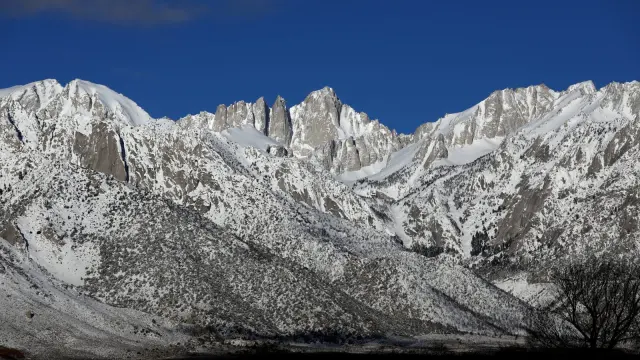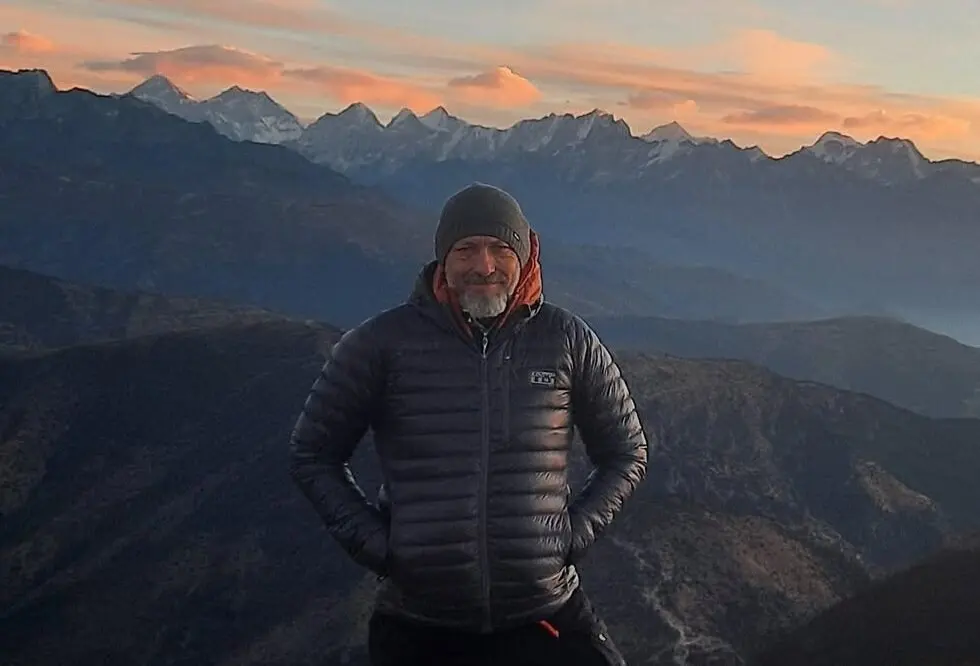
A 57-year-old German climber, Wolfgang Waschiczek, has died on Ama Dablam after falling roughly 1,700 metres on the mountain's steep flanks. His body was recovered by helicopter at around 4,500 metres, making him the first fatality of the autumn season on what is one of Nepal's most climbed peaks.
Waschiczek summited on October 25 with guide Sonam Sherpa, part of a huge summit wave that kicked off after a rope-fixing team opened the route in mid-October. Rather than push all the way down, the pair stopped for the night at Camp 3, a high bivouac, after borrowing a sleeping bag and some gear from other climbers on the mountain.
What happened next reads like a nightmare scenario. According to his outfitter, Real Himalaya Nepal, the Sherpa left his client briefly the next morning to return the borrowed sleeping bag to its owners' tent. When he came back, Waschiczek had vanished — but his crampons were still at the camp. That detail points to a so-called freak fall: without crampons on, a slip on ice or hard snow can be instantly fatal. A helicopter search located his remains that afternoon.
The accident happened in the middle of an unusually busy spell. Nepal's Department of Tourism counted more than 300 foreign permit applications for Ama Dablam this autumn, and local media estimate over 200 climbers — guides included — have already stood on top this season, with more teams arriving through November. Along with Manaslu, Ama Dablam is the most sought-after autumn objective in the country, and virtually every foreign climber goes up attached to one or two Sherpa guides.
That commercialisation cuts both ways. Fixed ropes and anchors have made the mountain far more accessible, and summit success rates are strikingly high. But Ama Dablam is not a walk-up. Its exposed ridges and steep faces remain objectively dangerous terrain, and as this week showed, a slip is almost always lethal regardless of how much infrastructure exists on the route. Crowding adds its own risks: overtaking manoeuvres on fixed lines, borrowed gear, improvised bivouacs and fatigue on long summit days all raise the stakes.
For anyone considering Ama Dablam, the takeaway is sobering but useful. This is a serious technical 6,812-metre peak that demands solid alpine skills even when guided, and descent — not the summit — is where most accidents happen. Choosing a reputable outfitter, carrying your own equipment rather than relying on borrowed gear at altitude, and discussing turnaround and bivouac plans with your guide before the climb are not box-ticking exercises here. They are the difference between coming home and not.
The season continues into November, and more summits are expected. Waschiczek's death is a reminder that popularity and fixed ropes change the odds on a Himalayan peak, but never eliminate the danger.