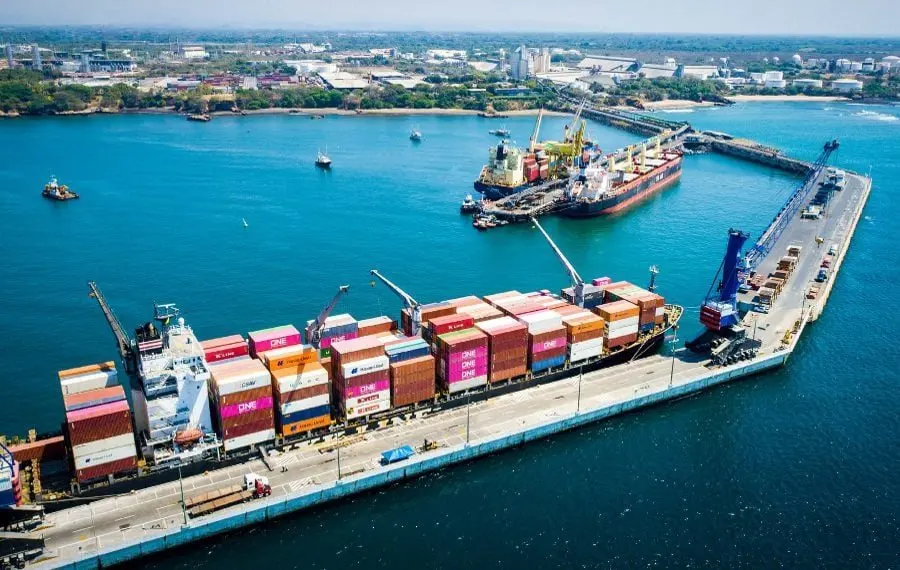
El Salvador shipped $5.09 billion in goods abroad in the first nine months of 2026, up 3.7% on the same stretch last year, according to the Central Reserve Bank. That might sound like dry economics, but for travellers it maps neatly onto what you'll actually see, taste and buy in the country — from café-filled mornings in the Ruta de las Flores to the maquila-made clothing sold in San Salvador markets.
Coffee remains one of the country's signature exports: $181.36 million in sales this year, a 15.3% jump, with producers shipping over 553,300 quintals during the period. For visitors, that's the crop behind the highland plantations around Santa Ana and Juayúa, where farm tours and cupping sessions have become a genuine draw. Cane sugar also performed well at $201.71 million, a reminder of the vast coastal plantations you cross on the road to the surf beaches of the Pacific.
The headline product, though, is apparel. Knitted T-shirts brought in $342.9 million despite a dip, with sweaters close behind at $309.5 million — El Salvador's garment industry is one of Central America's largest. More surprising is the surge in electrical capacitors, up 39.8% to $184.1 million, showing how far the economy has diversified beyond agriculture.
Geographically, the trade figures tell you who El Salvador is tied to. The United States takes 32.6% of exports ($1.66 billion), which explains the deep American influence you notice on the ground — from remittance-fuelled construction to the diner culture of San Salvador's suburbs. Guatemala is the second-biggest buyer at $896.6 million, reflecting the busy overland trade with the neighbour just across the border, while smaller markets like Canada and China grew strongly off a low base.
The one cloud on the horizon: imports are rising faster than exports, hitting $14.49 billion through September and widening the trade deficit. So while there's money flowing in from sales abroad, the country spends even more on foreign goods.
Why does this matter to a traveller? Because exports shape the texture of a destination. The coffee boom means better beans and more farm experiences; the US relationship means easy dollar-based travel (the US dollar is the main currency, and bitcoin circulates alongside it); and the growth story sits behind the improving roads, restaurants and infrastructure you'll encounter. El Salvador is small enough that its economic life is visible everywhere — in the sugar trains crossing the coastal plain, the textile outlets, and the espresso in the capital's café scene. The numbers back up what returning visitors have been saying: this is a country on the up.
Read the full report from El Salvador Info for the complete export data.