The European Commission has launched the EU's first Sustainable Tourism Strategy, a wide-ranging framework designed to keep Europe the world's most visited destination while tackling overcrowding, staff shortages and climate pressures. Unveiled in Brussels, the plan positions tourism as a cornerstone of the European economy — it supports 20 million jobs and five million businesses, 99% of them small or medium-sized enterprises, and accounts for roughly 10% of EU gross value added.
Apostolos Tzitzikostas, the Commissioner for Sustainable Transport and Tourism, framed the sector as far more than a holiday business, calling it a "force for good" and the foundation of Europe's economy. He argued that the continent's diversity — from big-hitting cities to tiny regional destinations — is exactly what keeps travellers coming back.
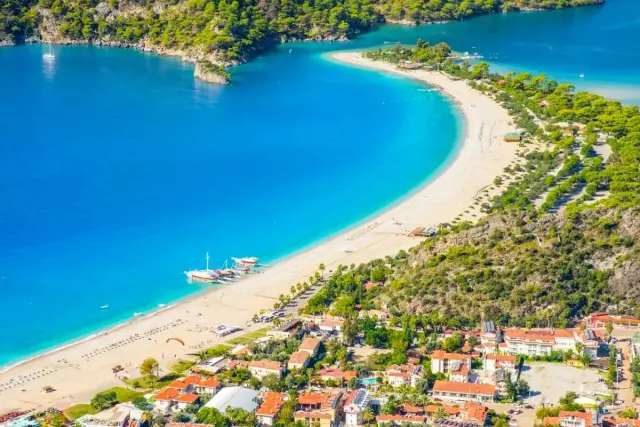
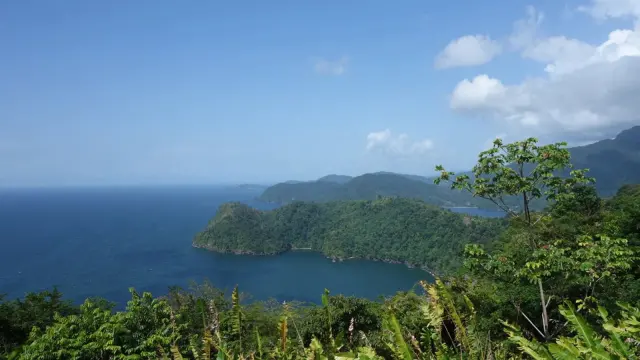
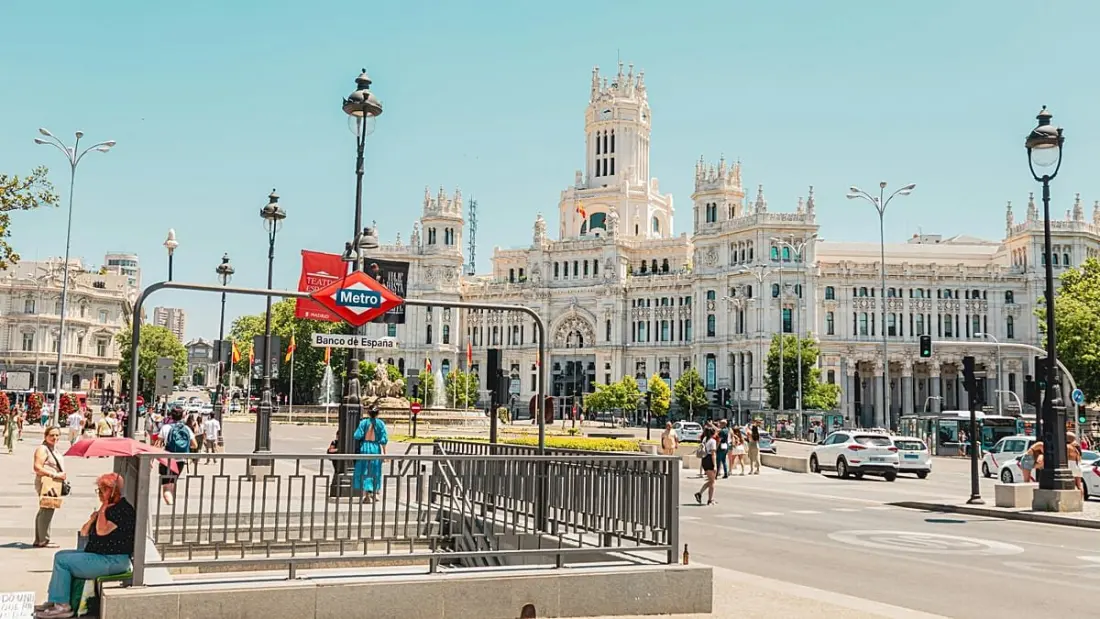
So what's actually in the strategy? Several strands matter for travellers. First, managing visitor flows: the Commission wants to spread tourism more evenly by promoting less-visited destinations and encouraging trips outside peak season, backed by a new EU Model for Tourism Management, a Toolbox for Balanced Tourism and a crisis coordination network. If it works, expect more marketing push and better infrastructure in places that have long sat in the shadow of Barcelona, Venice and Amsterdam — and more reasons to travel in shoulder months.
Second, a skills and data push. A new EU Tourism Academy will train workers for the roles the sector desperately struggles to fill, while a Common European Tourism Data Space and an EU Tourism Observatory will track trends and help destinations plan smarter. There's also a pledge to cut red tape for small tourism businesses, which make up nearly the entire industry.
Industry reaction has been broadly positive. ECTAA, the travel agents' and tour operators' association, praised the focus on balanced tourism, skills and connectivity — including rail and aviation regulation. Road transport body IRU welcomed, in particular, the first official recognition of how coach operators are tangled up in fragmented local vehicle access rules across European cities, with plans for a one-stop-shop for urban access information. The European Travel Commission called it a positive first step after a volatile summer marked by geopolitical and climate disruption.
Why should a traveller care? The strategy signals a shift in how Europe wants visitors distributed — away from a handful of saturated hotspots and towards under-visited regions and off-season travel. In practice, that should mean better-promoted alternatives, improved services outside the summer crush, and possibly more pressure on cities to regulate mass tourism. For anyone planning a European trip, it's a nudge to look beyond the obvious: the EU is about to spend political capital making lesser-known destinations easier and more appealing to visit. The commissioning body says the goal is tourism that benefits residents as much as visitors — which, if delivered, is good news for the places you visit and the experience you get there.
Reported by Euronews Travel.