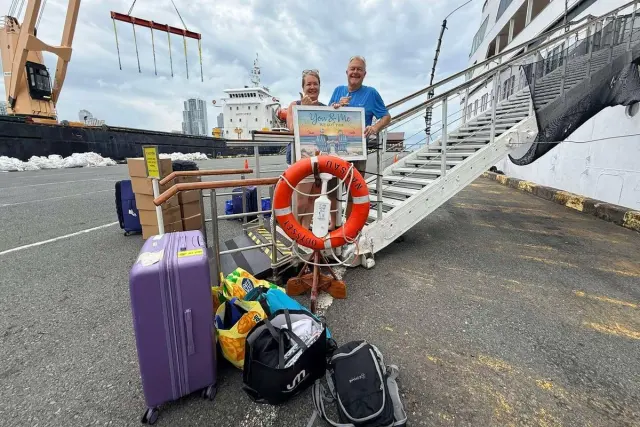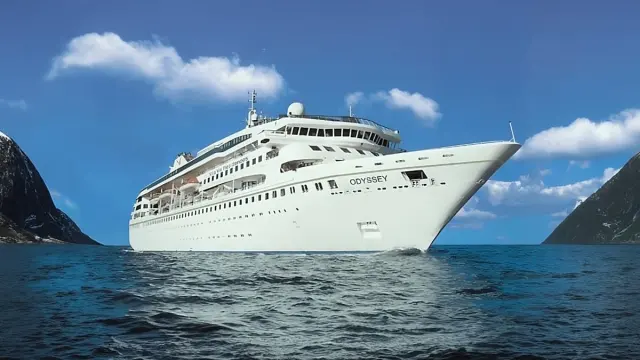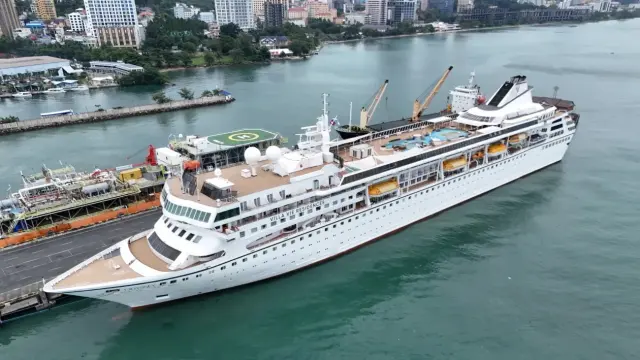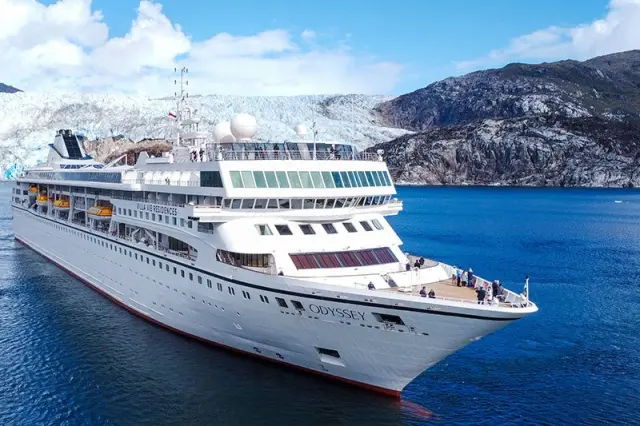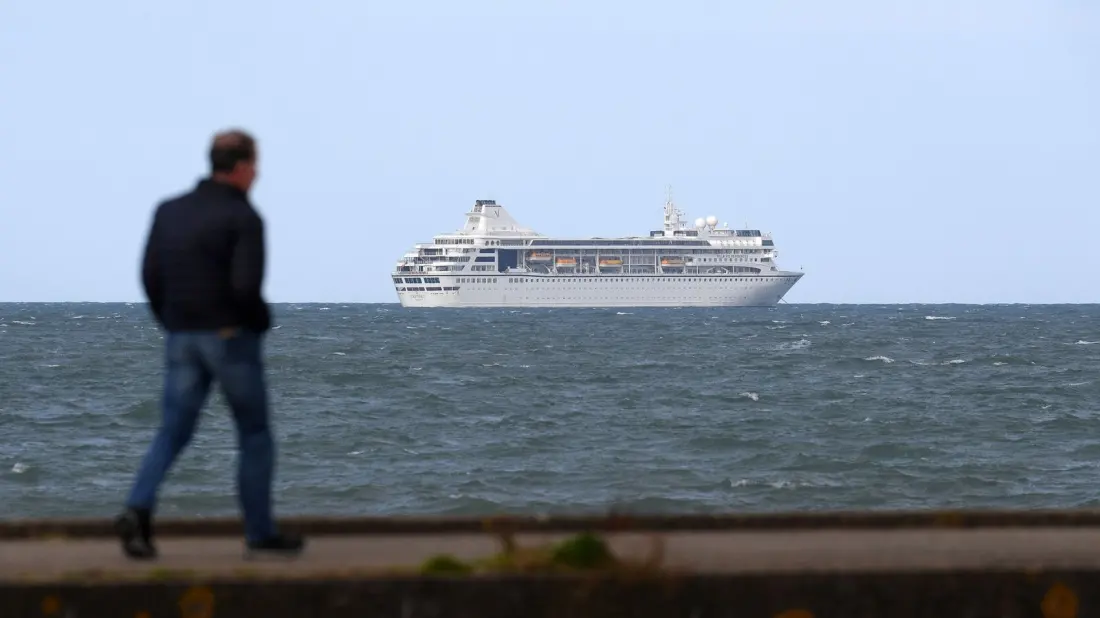
A cruise sold as a way of life came to an abrupt halt in late October 2026. The Villa Vie Odyssey, a residential cruise ship that set sail from Belfast on 3 October 2024 promising an around-the-world voyage through November 2027, stopped operations and ordered all passengers off. As of 27 October, the ship was sitting in Sihanoukville, Cambodia, with 203 passengers and 156 crew aboard, according to NPR.
The company blames surging fuel costs, which it has linked to the war involving Iran. Before pulling the plug, Villa Vie tried to stretch its budget by slowing the itinerary and lingering longer in port, but it wasn't enough. A notice on the ship's internal messaging board from the CEO, posted at 7:08 a.m., gave residents until 2 p.m. the same day to pack and disembark — less than seven hours to leave what many had treated as their permanent home.
The aftermath was messy. Blogger Randy Cassingham, who runs Residential Cruising and was aboard, said passengers were shuttled into the middle of Sihanoukville with no hotel list, no help getting there and no reimbursement. Some passengers, he wrote, are 'shell-shocked' because they spent most of their nest eggs on the venture — a few had even sold their homes to live on board. Villa Vie did eventually provide passenger assistance and a hotel list, though only about 27 hours after people had left the ship.
The economics help explain why so much was at stake. The Odyssey marketed itself as the 'world's longest cruise', calling at five continents, and sold a live-aboard lifestyle rather than a holiday: permanent residency packages started at $119,999 and five-year packages at $59,999, plus monthly fees. One resident told The Times in January 2026 that life aboard meant no mortgage, property taxes, groceries, utility bills or car payments. That appeal — a flat monthly cost for a wandering home — drew retirees who had planned years of travel.
What happens next is uncertain. Villa Vie says it is working on disembarkation and temporary housing for residents while it evaluates restructuring and recapitalisation over the next 60 days. Whether residents get refunds, and what support crew will receive, remains unclear.
For travellers, the story is a cautionary tale with a simple lesson: a multi-year, pre-paid travel commitment is only as solid as the company behind it. If you're tempted by residential or long-haul cruise concepts, the practical takeaways are to avoid selling your home to fund one, understand exactly what the operator owes you if sailing stops, keep independent funds and accommodation options in reserve, and consider travel insurance that covers supplier failure. The idea of a ship as a floating home isn't going away, but the Villa Vie Odyssey shows how quickly it can turn into a one-way ticket to a port you never planned to stay in.