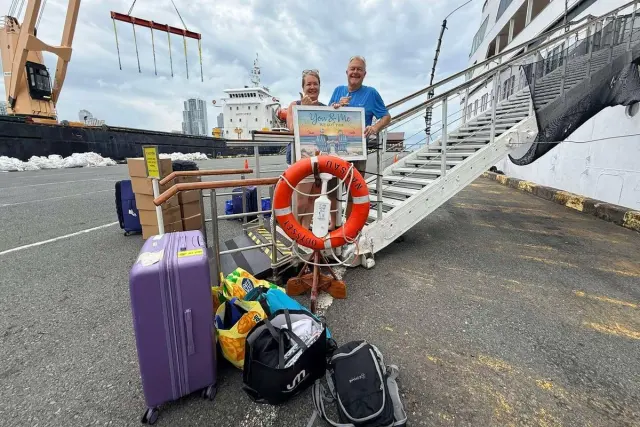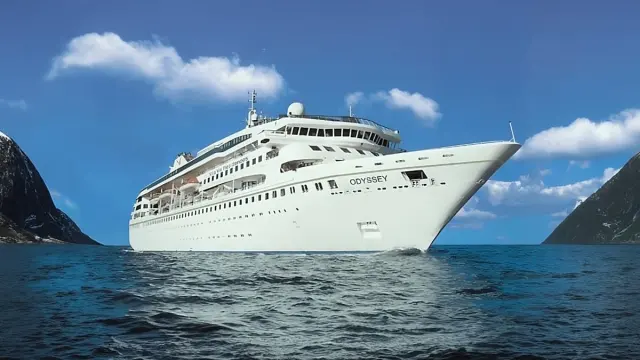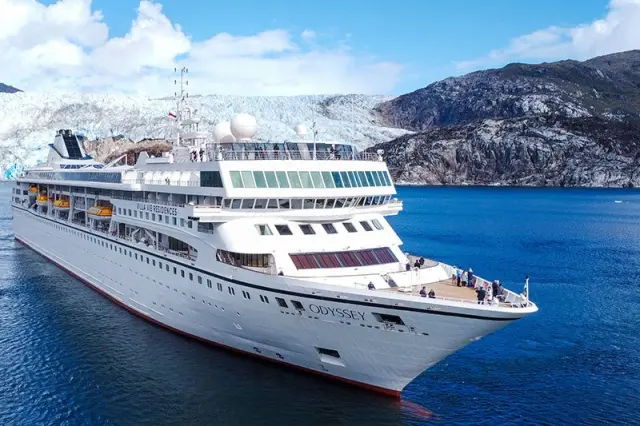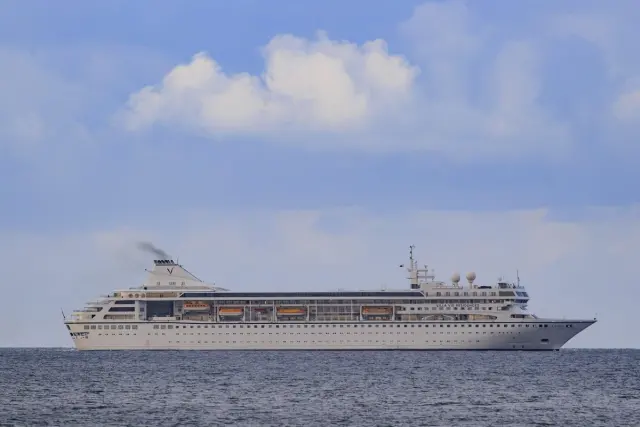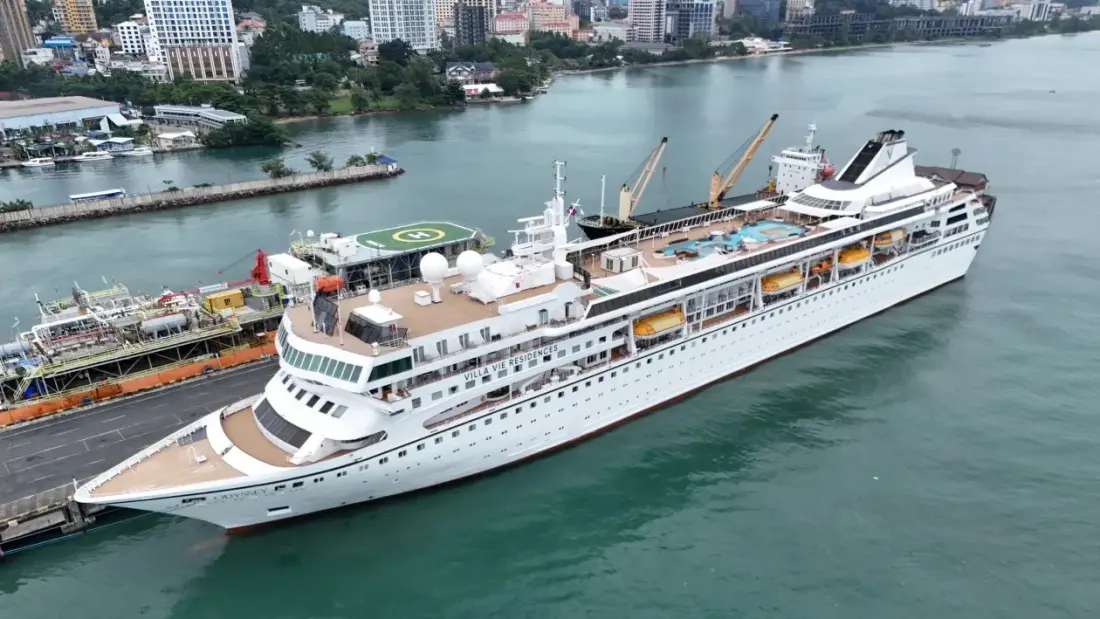
A dream of living at sea has hit a hard stop. Around 200 passengers aboard the Odyssey, a residential world cruise ship run by US-based Villa Vie Residences, were given roughly seven hours to pack up and disembark after the company suspended operations when the vessel docked at Sihanoukville, Cambodia.
The Bahamas-flagged, 200-metre ship had arrived from Thailand on 23 October with 203 guests and 156 crew aboard, according to Preah Sihanouk province's deputy governor Long Dimanche. Vietnam was meant to be the next port of call. Instead, some passengers — including retirees and remote workers who treated the ship as home — found themselves in a Cambodian port city scrambling for flights or temporary rooms.
The Odyssey left Belfast in October 2024 on what was billed as a continuous voyage around the world. The model was unusual: rather than booking a one or two-week sailing, passengers bought or rented cabins for shorter stints or permanent residence. Some reportedly sold their houses and belongings to fund life on board. Even the launch was rocky — cruise blogger Randy Cassingham noted the original Belfast departure slipped by four months and the ship never came close to its planned 650 residents.
The company blames fuel. Villa Vie Residences says its average monthly fuel cost per cabin jumped from about US$1,800 to an estimated US$6,000 to US$8,000 in parts of Asia, which it ties to the sharp rise in oil prices since the war involving Iran. It says the shortfall made the existing business model unsustainable and that passing the full cost to residents wasn't realistic.
Local authorities expected the ship to refuel and depart Cambodia on 31 October, but at the time of reporting the future of the voyage — and where the residents end up — remained unresolved. The company says it is helping passengers coordinate onward travel and find temporary accommodation.
For travellers, the episode is a cautionary tale rather than just a curiosity. Residential cruising is a growing niche, and it can work — but committing your home, savings and address to a single operator carries real risk. If you're tempted by long-term or live-aboard travel at sea, it's worth treating the operator's finances with the same scrutiny you'd apply to a property investment: check how long the company has run the route, what happens if a voyage is suspended, and what refunds or re-accommodation are contractually guaranteed. Shorter segments with a conventional cruise line offer a similar taste of life at sea with far less exposure.