Sleeping bag reviews often blur together, so it's refreshing when testers are blunt about what failed. A new gear guide from Backpacker put 28 bags through a full season of real backcountry nights, and only ten earned a recommendation. The takeaway for anyone planning a camping-heavy trip: your bag choice matters more than almost any other piece of kit.
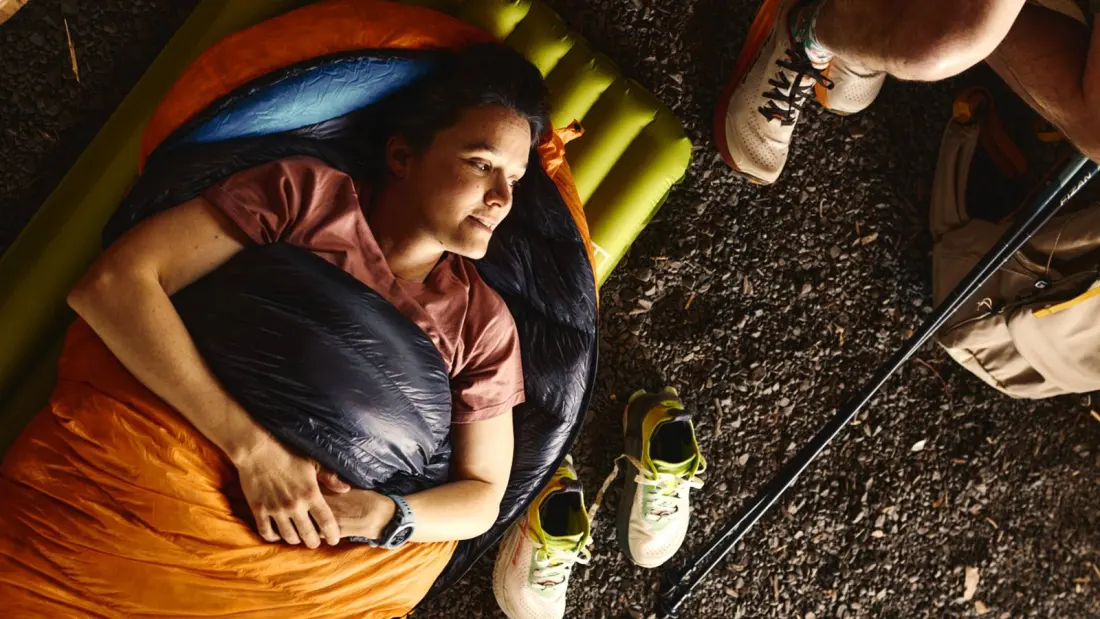
The overall winner is the Argali Alpine 20, a first-ever sleeping bag from an ultralight hunting brand. It pairs 850-fill down with a featherweight Pertex Quantum shell, but what sets it apart is honest labelling — Argali uses comfort ratings rather than the optimistic limit numbers most brands quote. Even cold sleepers stayed warm at 20 degrees. The trade-off is weight (about 30 ounces) and a premium price.
Budget shoppers should look hard at the Kelty Cosmic Down 20, which costs several hundred dollars less than most rivals and uses fully recycled fabrics. Testers loved the silky liner and accurate warmth, though the women's model packs a full 15 ounces more down than the men's — one of the biggest gender-based fill gaps they'd seen — and the bag is heavy and bulky for its class. It's ideal for canoe trips or campgrounds where pack space isn't precious.
Other standouts solve specific problems. The REI Co-op Magma 30 comes in nine unisex sizes after the brand realised its old gendered bags fit only half its customers. The Feathered Friends Swallow UL 20 uses a coated Pertex fabric that shrugged off rain and heavy condensation in testing, making it the pick for wet climates. Rab's Radeon 20 is the affordable synthetic alternative for humid conditions, while the Marmot Wraptor Down 30 adds a zipperless design for people who feel trapped in mummy bags. The list rounds out with the Exped DeepSleep 45 for warm summer nights, the Zenbivy Light Bed for quilt converts, Montbell's Down Hugger for comfort seekers, and the Mountain Hardwear Phantom 30 for alpine routes.
Why should a holidaymaker care? Because renting a cabin or camping under the stars in, say, Minnesota's Boundary Waters or the mountains of Idaho — where these bags were actually tested — is only enjoyable if you sleep well. Choosing a bag rated honestly for your destination's overnight lows, and matching it to the humidity of your destination (down for dry cold, synthetic for damp), can be the difference between a great trip and a miserable one.
Practical pointers from the testing: check whether a brand quotes comfort or limit ratings, size up if you're tall (the Kelty women's runs short), and expect to pay more for water-resistant down. Full details on all ten picks are in the original guide.