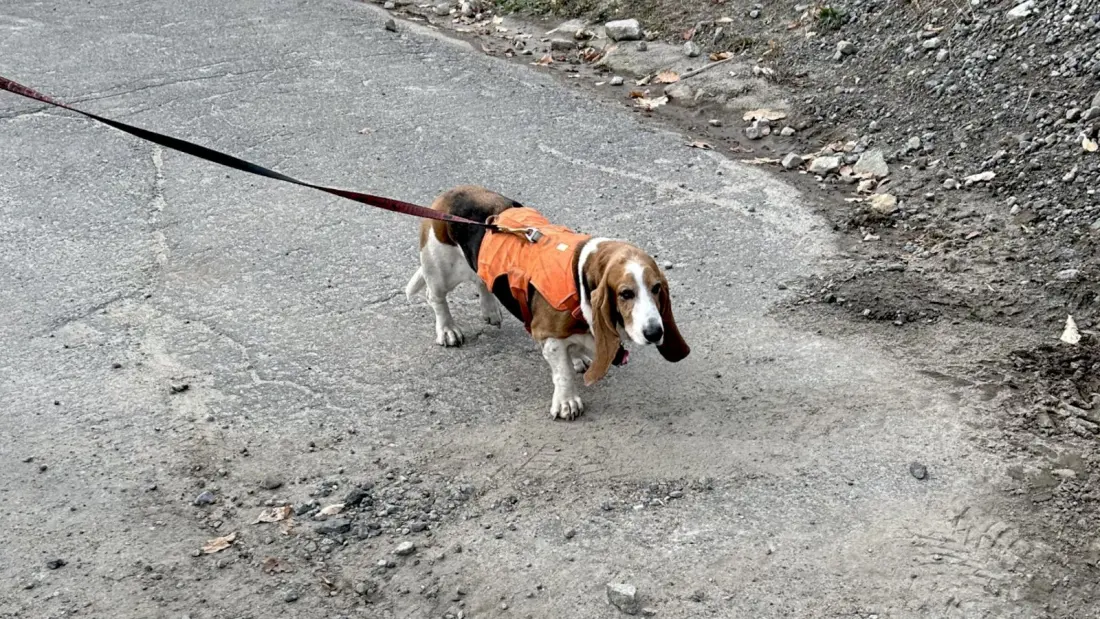
When a familiar Basset Hound named Becky trotted up to the base of Whiteface Mountain in New York's Adirondacks without her owner, staff knew something was badly wrong. They recognised the dog — and knew her owner lived with dementia. Their quick call to 911 on November 12 set off a rescue that likely saved the 69-year-old hiker's life.
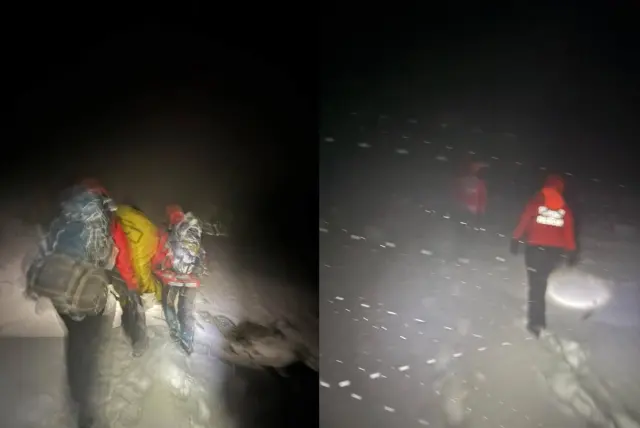
State police found the man's car at a nearby trailhead and searched the surrounding trails and a branch of the Ausable River, but found nothing. Four forest rangers joined with a drone and a bloodhound, yet night fell and the search was called off until morning. Temperatures dropped to between 25 and 30 degrees Fahrenheit.
The next day the operation scaled up: fourteen rangers plus state police aviation combed the mountain, and cell phone data led them to the man's abandoned phone and backpack. Then, around 10 a.m., a hunter in the area heard screaming in the woods. A ranger sweeping that zone found the hiker in an open meadow — shoeless, without gloves or mittens, his hands and feet severely frostbitten. A helicopter airlifted him to hospital.
Ranger Charlie Foutch, who took part in the search, credited Becky with buying rescuers the hours they needed. Without her appearing at the mountain when she did, he said, the man might not have survived another night.
The story highlights a growing pattern: people with Alzheimer's and other forms of dementia are increasingly the subjects of wilderness searches. An estimated 125,000 such search-and-rescue operations happen each year, and that number is climbing while other categories decline. Wes Cooper, a volunteer field leader with Seattle Mountain Rescue, told Backpacker that roughly a third of his team's missions involve people with dementia, most in urban settings but some deep in the backcountry. Modern teams now bring drones, e-bikes and even algorithms that predict how far a missing person may have wandered.
The stakes are stark. Research suggests a person with Alzheimer's who isn't found within 24 hours faces a 46 percent mortality rate — and harsh terrain and Adirondack-style winter weather can push that higher. Cooper's advice is simple: call 911 immediately rather than searching on your own. That's exactly what the staff at Whiteface did, and it gave rangers a head start that mattered.