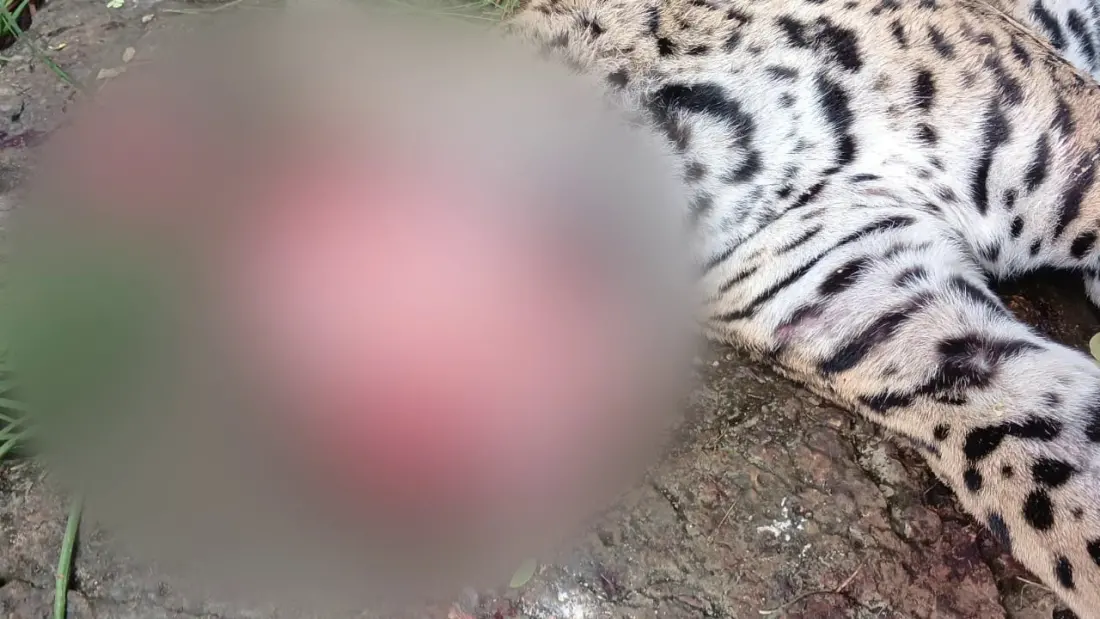
A roadside incident outside Belmopan has turned into a cautionary tale for anyone visiting Belize and tempted to pocket a souvenir from the country's famous wildlife. On 16 November, a young female jaguar was hit by a vehicle near Armenia Village. By the time Forest Department officers reached the scene, the body was gone — a local political figure, former UDP standard-bearer Antonio Samayoa, had allegedly taken it and removed both of its canine teeth, with a cut to the stomach suggesting he planned to skin the animal too.
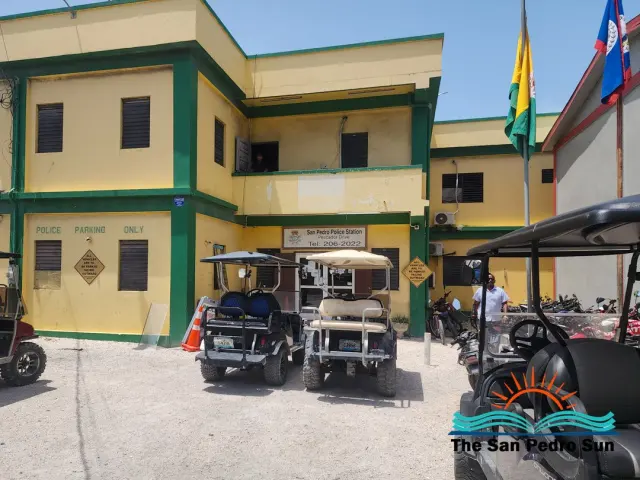
Samayoa was detained and charged under the Wildlife Protection Act with unlawful possession of wildlife, an offence carrying a $500 fine. The teeth have not been recovered, but officers say they have a written statement identifying who has them, and a second charge is expected. Forest Officer Victoria Chi confirmed the carcass has since been buried and was blunt about the rule: touching a dead jaguar at all can get you charged with possession.
The case matters beyond one village. Belize takes its wildlife laws seriously — teeth, claws, eggs and nests all count as protected parts, whether the animal was killed by you or by a car. The Forest Department has a hotline (610-1524) and asks anyone who finds a wild cat or other animal, dead or alive, to call in rather than handle it.
There's a traveller-specific angle too: jaguars are turning up in unexpected places. Late October surveillance footage caught one roaming near homes in southern Ambergris Caye, the resort island better known for its reefs and beach bars. The South Ambergris Caye Neighborhood Watch and local wildlife groups used the sighting to remind residents and visitors how to react — keep your distance, don't approach, and report it.
So if you're heading to Belize, the practical takeaway is simple. A jaguar sighting, even a dead animal on the road, is something to report, not to collect from. Fines are modest by UK or US standards, but a wildlife charge abroad is a hassle no holiday needs, and the department has shown it will pursue people who take parts — including whoever ends up holding those missing canines.