Colombia's art history reads like a migration story. Over roughly a century, a string of foreign-born painters and sculptors arrived, stayed, and quietly became the backbone of the country's modern art scene — teaching, founding workshops and, in several cases, taking Colombian citizenship.
The earliest wave started in the 1920s. Spanish sculptor Ramon Barba Guichard settled in Bogota in 1925, bringing a European realist tradition and pointing it at Colombian subjects — farmers and working people rendered in wood, marble, bronze and granite. He also taught at Bogota's School of Fine Arts and the Universidad Javeriana. A generation later, Barcelona-born Alejandro Obregon, who grew up in Barranquilla, became one of the central figures of modern Colombian painting, using bold colour and images of animals and political violence to build a distinctly national visual language.
The 1930s brought artists fleeing Europe's turmoil. German entomologist-turned-artist Leopoldo Richter arrived in 1935 and spent 23 years at the National University's Institute of Natural Sciences, drawing on Colombia's forests, insects and Indigenous communities. Guillermo Wiedemann fled Nazi Germany in 1939; the Pacific coast and its Afro-Colombian communities reshaped his work from expressionism toward abstraction, and he became a citizen in 1946.
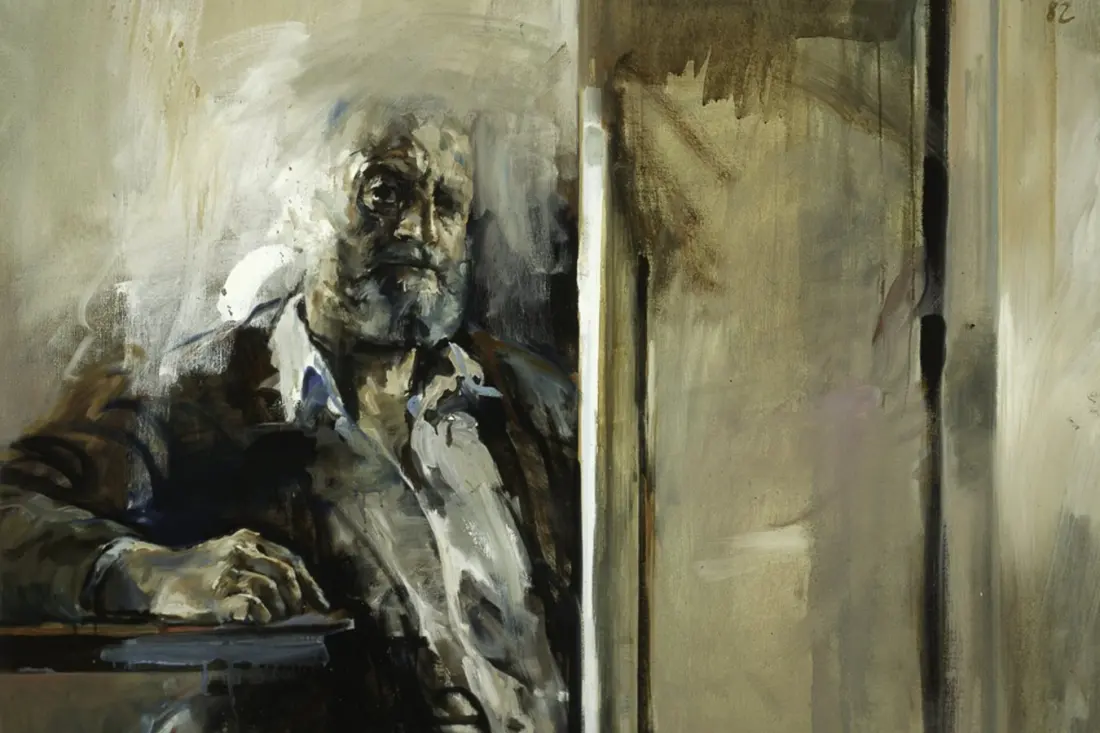
The postwar decades were just as rich. Lithuanian Nijole Sivickas arrived in 1950 and built a career in sculpture and ceramics rooted in natural materials and pre-Columbian traditions. Peruvian Armando Villegas became a pioneer of Colombian abstraction fused with Andean symbolism. Spaniard Juan Antonio Roda directed the arts school at Universidad de los Andes and taught Beatriz Gonzalez and Luis Caballero — two of Colombia's biggest names. American Jim Amaral settled in 1957 after meeting artist Olga de Amaral, and later explored the human figure and sensuality in bronze and metalwork; after 47 years he, too, became a citizen.
Later arrivals kept the momentum going. Italian Umberto Giangrandi landed in 1966 and essentially built Colombia's printmaking scene, founding Bogota's Taller Giangrandi and capturing the city's street life in his Carrera 12 series. Fellow Italian German Tessarolo arrived in 1969 with a Venice-Buenos Aires-Bogota backstory, while Austrian Heinz Goll settled in Sibate in the 1970s, working on Indigenous identity and art's social role.
For travellers, this is a good reminder that Bogota's museums hold far more than Botero. Works by Obregon, Wiedemann and Roda hang in the capital's collections, and knowing the immigration stories behind them adds a layer to any gallery visit. It's also a story about Colombia itself — a country whose landscapes, light and communities repeatedly transformed the artists who came, often keeping them for life.