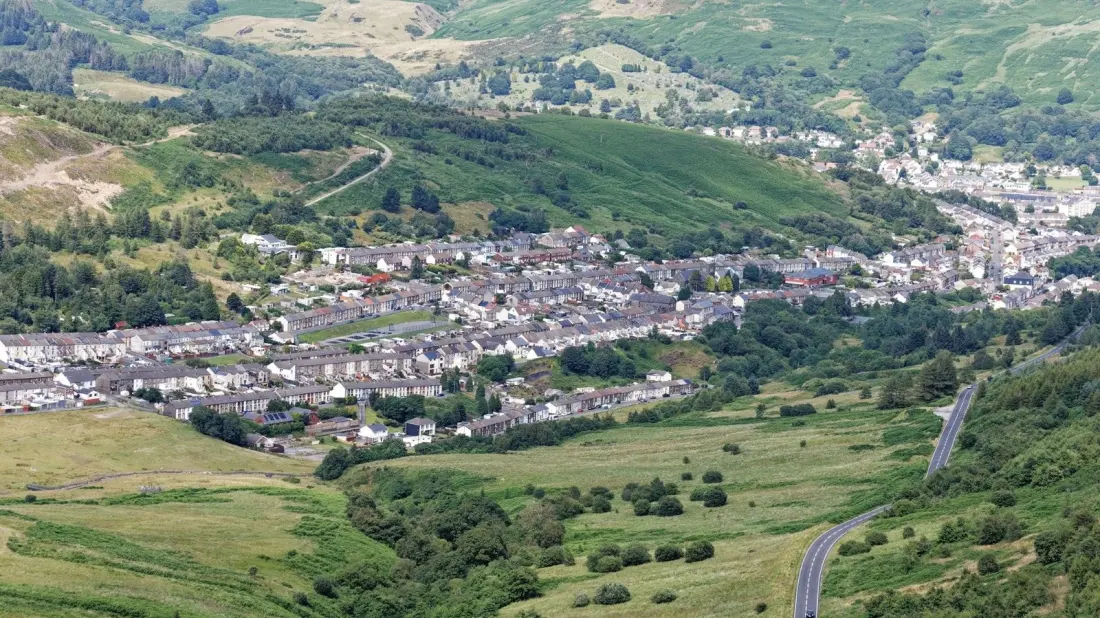
Forty minutes from Cardiff, the Welsh valley town of Tonypandy has swapped soot for scenery. Once a cornerstone of the Rhondda coal industry, it now draws walkers to its green hills and calm lakes, and feeds them well without emptying their wallets.
The town's past is nothing to gloss over. The Tonypandy Riots of 1910-11 remain one of Wales' most famous industrial disputes, when miners demanded better pay for working unusually difficult seams and, after strikes and days of rioting, won only a modest raise. Coal's decline was slow but final — the Rhondda's last pit, Mardy Colliery, closed in 1990. Today that heritage is the town's signature attraction: A Welsh Coal Mining Experience at the Rhondda Heritage Park Museum is led by a former miner and uses interactive exhibits to show what life underground — and at home — really meant. In town, an overgrown powerhouse dating to 1905 still stands near the junction of Llwynypia Road and Collier's Way; it was a flashpoint during the riots.
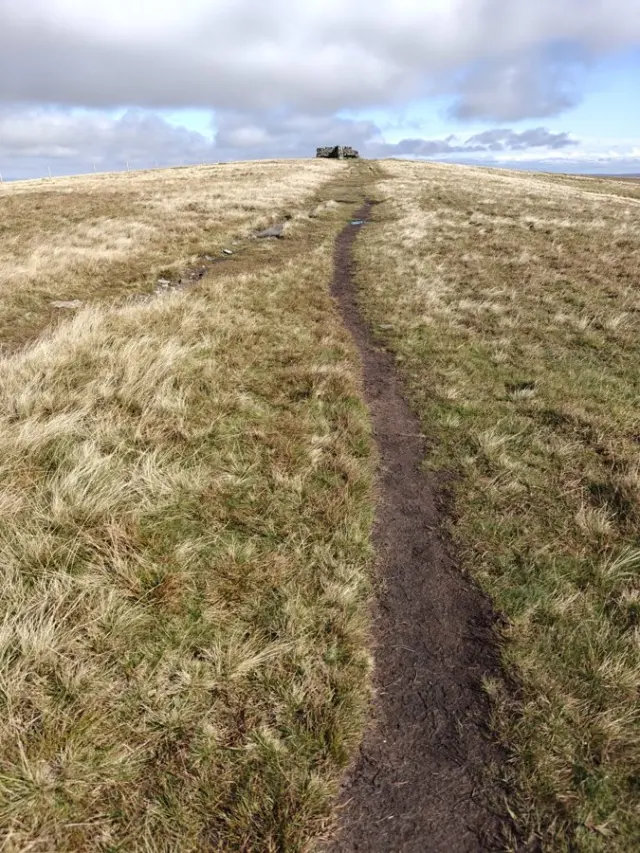
Then there's the walking. The Old Colliery Path is an easy 3-mile climb from one lake through woodland to a second, passing a memorial to miners killed in Cambrian Colliery disasters in 1905 and 1965. Glyncornel Lake, the largest and prettiest stretch of water here, anchors the Llwynypia Circular, a route that threads through town and around a forested hill — muddy in spots, so wear sensible footwear. For a proper leg workout, the 7.5-mile Mynydd Ton Circular tops out on the mountain itself, with valley views that reviewers say deserve a snack stop. One caveat: wildfires hit parts of the Rhondda in summer 2026, including Llanwonno Mountain, so check current trail conditions before heading into the uplands.
Food is a quiet strength. The Cwtch does hearty breakfasts and baked goods (plus a souvenir-stocked gift shop), The Fulling Mill serves stone-baked pizza and carvery portions big enough to warrant a takeaway box, and The Pizza Planet — averaging 4.8 stars on Google — covers pizza, kebabs and burgers at friendly prices.
Getting there is simple. Cardiff locals can drive or train it in about 40 minutes; the bus takes roughly 90 minutes and can cost more than the rail fare. From Cardiff Airport, allow around two hours by public transport due to connections. If you want to extend the mining theme overnight, the Coal Exchange Hotel in the capital — once the financial hub of the coal trade — offers stately, old-fashioned rooms at surprisingly modest rates.
Tonypandy suits travellers who like their day trips low-cost and low-fuss: genuine history, honest food and hill walks within an hour of a capital city. Bring long trousers for the overgrown sections, an appetite for carvery portions, and a willingness to see Wales beyond the postcard castles.