Vietnam is having a bumper year. The country logged 19.5 million foreign visitors in the first ten months of 2026, a 13.8 per cent jump on the same period last year, according to the Vietnam National Authority of Tourism (VNAT). That puts the sector at roughly 78 per cent of its full-year target of 25 million arrivals, with two months still to go.
Asia remains the backbone of Vietnamese tourism, supplying 14.6 million visitors — nearly three-quarters of the total. China leads all single markets with almost 4.4 million arrivals, followed by South Korea (3.4 million), Russia (1.25 million) and Taiwan (1.07 million). The US, Cambodia, Japan, India, the Philippines and Australia round out the top ten.
The real story, though, is Europe. The continent grew 51.5 per cent year-on-year — the fastest of any region — and added about 1.09 million extra visitors, the biggest absolute increase of any source region. Russia is the standout, with arrivals up a remarkable 150 per cent, while Poland (+45.8 per cent), Switzerland (+23.1 per cent), the Czech Republic (+21.9 per cent) and Sweden (+21.4 per cent) all posted strong gains. Southeast Asian neighbours are surging too: the Philippines up 52.4 per cent, Cambodia 43.2 per cent, Singapore 28.9 per cent and Indonesia 27.1 per cent, with Australia and New Zealand both growing by more than 20 per cent.
Not everything is rosy. South Korean arrivals — historically one of Vietnam's most reliable markets — fell 6.3 per cent, a warning sign for an industry that has leaned heavily on Korean holidaymakers. VNAT says continued policy support, promotion and fresh tourism products are needed to keep the country competitive there.
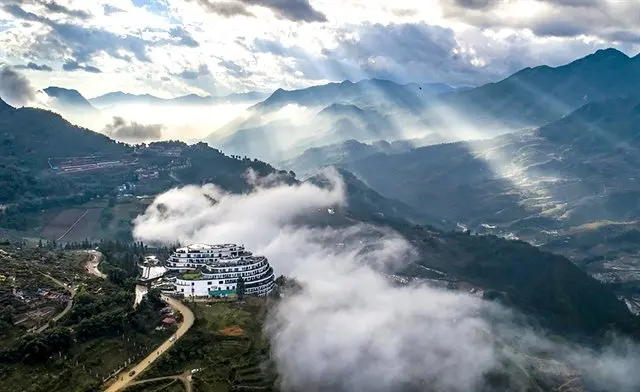
What's behind the boom? VNAT points to a combination of a stable and safe environment, more direct flight connections to international hubs and friendlier visa policies — layered on top of Vietnam's natural appeal, from the limestone karsts of Ha Long Bay to the Hà Giang Loop and the imperial city of Huế. The authority also plans fresh promotion campaigns in China, South Korea, India and Russia before the year ends.
For travellers, the numbers matter in practical ways. More flights and more visitors mean better air connectivity but also busier hotspots — think Ha Long Bay cruises, Hoi An's old town and Hanoi's Old Quarter at peak times. The surge in European visitors also suggests airlines and hotels are adding capacity and services tailored to long-haul guests, which typically means more direct routes and competitive fares. And with the tourism push accelerating into 2027, expect new festivals, cultural events and refreshed experiences being rolled out across the country — a good time to plan a trip that goes beyond the usual circuit, whether that's ethnic-minority villages on the stone plateau of Hà Giang or the imperial sites of central Vietnam.