Phú Thọ, the northern Vietnamese province long celebrated as the cradle of the Vietnamese nation, is making a deliberate push to turn its cultural inheritance into a reason to visit — without letting modernisation dilute it.
The province's cultural identity is actually a blend of three legacies. Officials describe a merger of Phú Thọ itself, famous for Hùng Kings worship and Xoan singing; Vĩnh Phúc, known for its spiritual festivals and craft villages; and Hòa Bình, home to Mường culture and the ancient Hòa Bình Culture. Together they give the area an unusually dense concentration of traditions in one accessible corner of northern Vietnam.
Diversity is the headline here. Thirty-three ethnic groups live in the province, with minorities making up more than a quarter of the population. Travellers can encounter the distinct customs of the Mường, Thái, Dao, Mông, Cao Lan and Sán Dìu communities, each adding to a shared regional identity that locals see as a source of strength rather than division.
The calendar is packed with major festivals. The Hùng Kings' Death Anniversary is the flagship, alongside the Mother Âu Cơ Temple Festival and the Tây Thiên Festival — one of the biggest spiritual events in the north. These aren't just ceremonies; they're communal gatherings where national pride and gratitude to ancestors play out in front of visitors.
Phú Thọ also holds a genuine rarity: Xoan singing, a folk art tied directly to Hùng Kings worship, was inscribed on UNESCO's Representative List of Intangible Cultural Heritage of Humanity in 2017. Hearing it performed in its home setting is one of those experiences you simply can't replicate elsewhere.
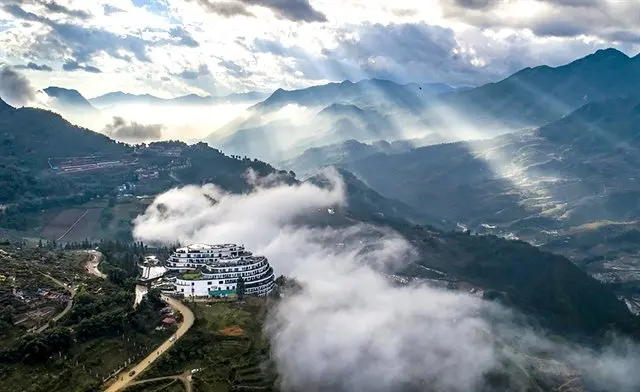
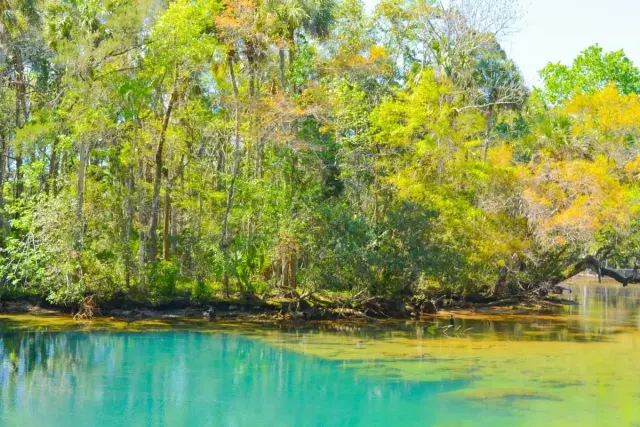
For active travellers, the natural side matters too. The province spans the Hùng Kings Temple Historical Site, the Tam Đảo – Tây Thiên area, Hòa Bình Lake and Xuân Sơn National Park, with community-based and eco-tourism products increasingly linking heritage sites to outdoor experiences.
What makes the current moment interesting is policy. A provincial resolution covering 2026–2030 explicitly puts culture and people at the centre of development, with heritage protection and sustainable tourism named as key goals. The province is digitising heritage, planning to stage Phú Thọ Cultural Days outside the region, and hosting Foreign Cultural Days at home to widen its audience. Locals — artisans, guides, homestay hosts — are being positioned as cultural ambassadors, which in practice usually means warmer, more personal encounters for visitors.
Why does this matter for travellers? Because timing is everything. Phú Thọ is on the cusp of investing heavily in tourism infrastructure while still retaining the unpolished authenticity that draws people in the first place. Go now, and you'll experience festivals, folk performances and village life before crowds and commercialisation catch up. It pairs easily with nearby Hanoi — the Hùng Kings Temple complex is an easy day trip — while Xuân Sơn and Hòa Bình Lake reward travellers willing to stay longer.