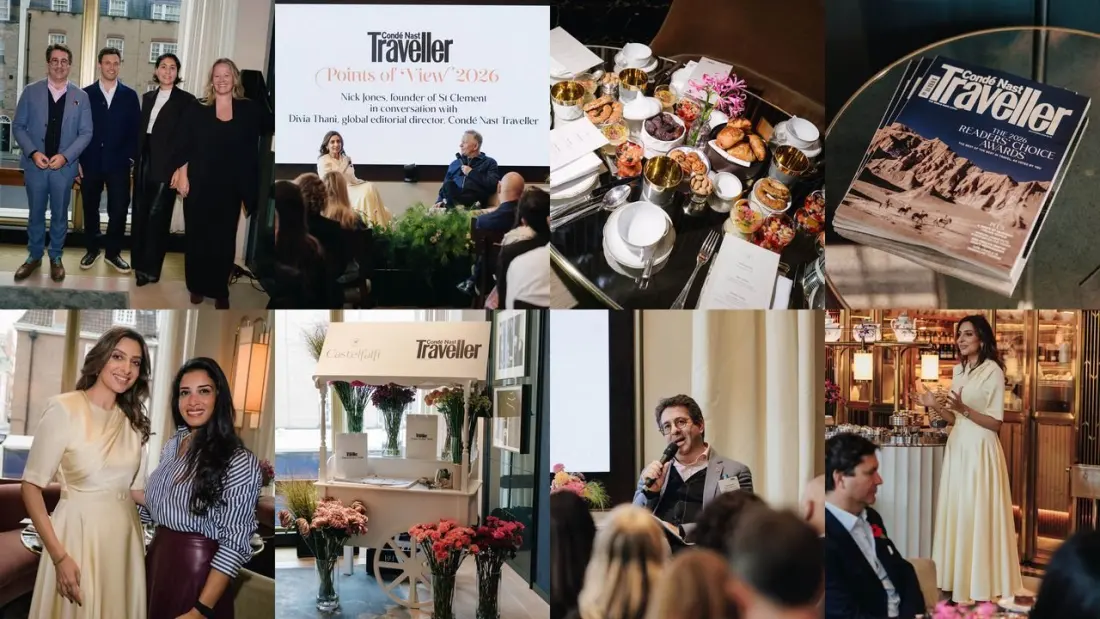
Condé Nast Traveller gathered its pick of the UK's top travel specialists at the Chancery Rosewood on 2 November 2026 for its third annual Points of View summit, and the day's panels doubled as a cheat sheet for anyone wondering where luxury travel is heading.
The destinations getting the nod were refreshingly off-piste. Panellists from Abercrombie & Kent, Globetrender, Voyageurs du Monde and Tuscan resort Castelfalfi flagged the Albanian Alps, Denmark's beaches, North Macedonia, Bolivia's salt flats, Brazil's Pantanal wetlands, Chongqing in China, Sri Lanka's Pico Trail, Nicaragua, Algeria, Taiwan and Sweden's Lake District as the places to watch. Even Tuscany is being reframed — stays in a traditional borgo are pitched as the more authentic route into the region.
Two demographic shifts stood out. Wealthy older travellers are spending inheritances on multi-generational trips, while younger people are embracing so-called "micro retirements" — two or three months off between jobs, often funded by inherited wealth — with itineraries built around wildlife, conservation and wellness rather than sightseeing tick-lists. Luxury itself is being redefined as access: unusual stays, private transport and introductions to local journalists and conservationists instead of generic five-star polish.
On AI, the room was sceptical. Despite the hype, only 5 per cent of people book directly from AI recommendations according to an Expedia survey, and Booking Holdings reported just 1 per cent of rooms booked via AI. Sixty-three per cent of luxury travellers still want human-first service, and panellists argued that a bit of "friction" — manual research, a real person's tip — is what creates emotional connection to a place. AI's best role for now: dull operational tasks like rebooking a delayed flight, freeing staff to look after guests.
Hospitality entrepreneur Nick Jones, who founded Soho House in 1995, talked up his new London hotel, St Clement, and a broader move away from formal corporate hotels towards places that feel generous and personal — his test being that guests should feel recognised and at home, right down to a free non-alcoholic minibar.
The closing panel tackled travel in an uncertain world, and the takeaway was reassuring: demand is resilient. Travellers are just booking later — more than 40 per cent of one operator's clients now book within a month of departure — and leaning on trusted specialists for on-the-ground reality checks, since destinations are often safer than headlines suggest. Spain, Italy and Japan are benefiting from the shift to familiar-feeling trips, while Uzbekistan is forecast to welcome 1.9 million more visitors in 2026 than 2025. For holidaymakers, the practical read is simple: book through people who know the ground truth, stay flexible on timing, and consider the rising names before everyone else does. (Source: Condé Nast Traveller UK)