After 145 days and roughly 2,400 miles on the Pacific Crest Trail, a thru-hiker had resigned herself to going home early. The final stretch of trail from Hart's Pass to the Canadian border was closed, meaning the northern terminus — the finish line she'd been walking towards since spring — was out of reach. Flights were booked, goodbyes planned.
Then, on a sunny break atop a ridgeline near Snoqualmie Pass in Washington, her phone buzzed. Refill, a South African friend hiking a few days behind the group, sent a screenshot of the official PCT closures page with unexpected news: the trail between Hart's Pass and Canada had reopened. The hiker, who was hiking with companions known on trail by their trail names Drom, Radio, Rolodex, Little Wagon and Geezer, could barely get the words out. Nobody believed her until they checked the page themselves.
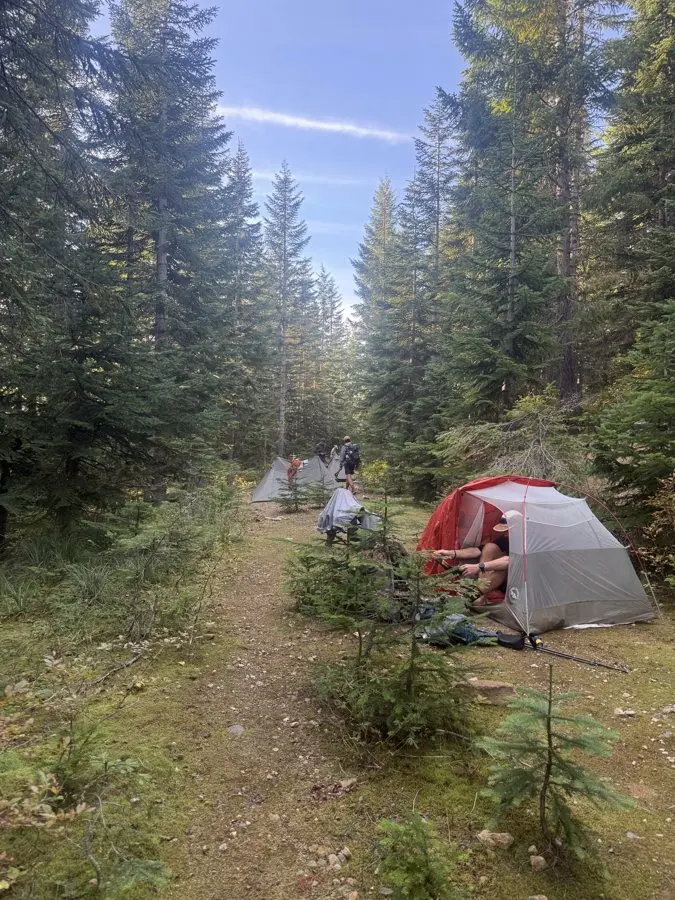
What followed was a scramble of logistics and a campsite 'council' that evening with all 12 members of their loose trail family. The obstacles were real: non-refundable flights leaving within days, a train to Vancouver, weddings and birthday dinners waiting at home. Somehow, all twelve agreed to a plan with a three-day window. One hiker rebooked a flight; another gave up their train seat. Some will skip ahead past the remaining closures, then hike southbound to fill in the gaps and keep their continuous trek intact.
The new plan: return to Seattle, rest and resupply, then road trip north past the closed sections to Hart's Pass. From there, it's a short but emotional push to the terminus and the border — together, rather than leaving the last few hundred miles for another year. As the writer puts it, the PCT has a way of keeping hikers on their toes.
For anyone who has ever attempted a long-distance trail, this story captures something familiar: the finish line is never guaranteed. Fire seasons and land closures increasingly reshape the PCT late in the year, and hikers heading into Washington in September and October should expect reroutes and check the closures page daily. This account is also a reminder of trail culture at its best — strangers becoming a group that can coordinate a cross-state plan over one evening in a circle of tents. For travellers mulling a first long hike, it's a realistic preview of the flexibility (and the missable flights) a thru-hike demands.