
A long-standing annoyance for UK rail travellers is being swept away. From 20 September, if your train is cancelled, you can simply board another operator's service without paying again or waiting for anyone's permission.
Under the new Department for Transport rules, anyone holding a valid ticket can travel on a different train departing up to two hours before or after their cancelled service, via a direct or reasonably sensible alternative route. You show your original ticket to staff and off you go. Until now, most disrupted passengers either had to wait for official confirmation before switching operators, or buy a fresh ticket and go through the hassle of claiming the money back later.
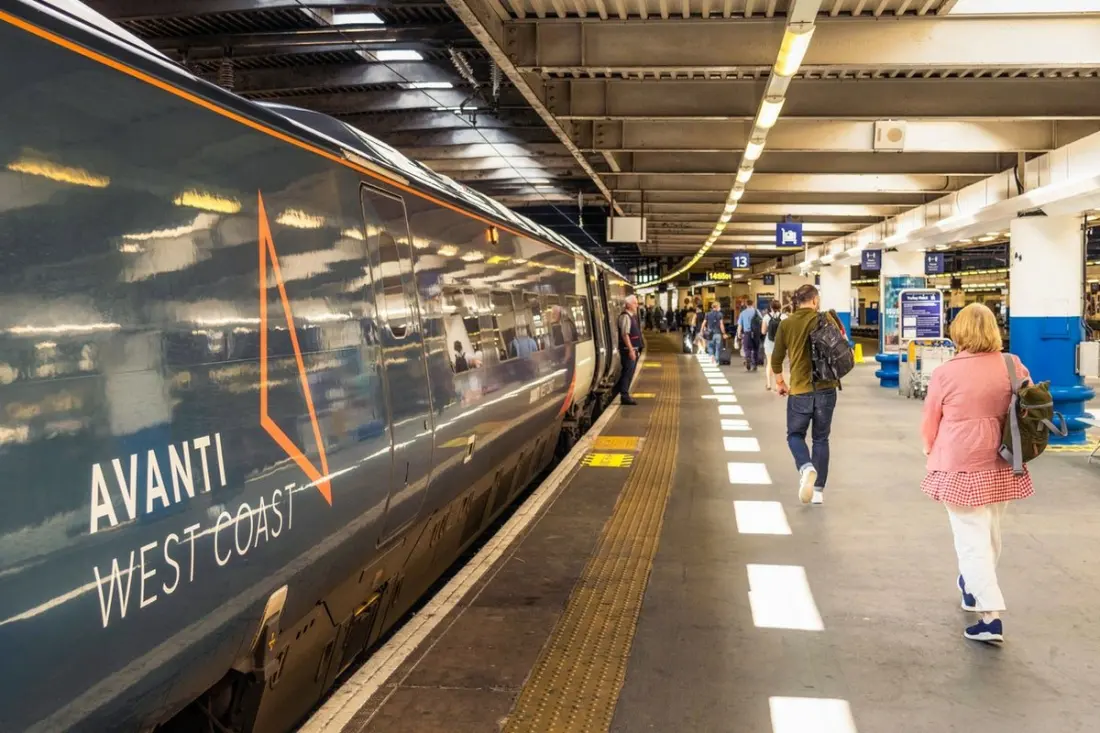
The scheme covers the publicly owned operators as well as a long list of private franchises: CrossCountry, Great Western Railway, Avanti West Coast, Chiltern Railways, Gatwick Express, Great Northern, LNER, Southeastern, Thameslink and South Western Railway. That spans much of the country's long-distance and commuter network, from London to Scotland and across the west and south of England.
Rail minister Lord Hendy framed it as a fix for a fragmented system, saying no one should be stranded because of boundaries between train companies. Transport Focus, the independent passenger watchdog, has also backed the change.
There's a wider ticketing overhaul in the background too. The government is putting £156m into new schemes so that, by 2027, pay-as-you-go contactless travel should work at 100 more stations across Greater Manchester, the Midlands and the south-east — a step towards the kind of tap-and-go simplicity Londoners already take for granted.
For travellers, the practical effect is real. Anyone who has stood on a platform watching a rival company's perfectly good train pull away while theirs sat cancelled will appreciate not having to argue the toss with staff or gamble on a refund. It also makes multi-operator journeys less nerve-racking: if one leg collapses, the fallback options open up automatically rather than on paper. If you're touring Britain by rail — say an Avanti trip from London to the Lake District or an LNER ride up to Edinburgh — a cancellation no longer means an expensive ticket re-buy or an indefinite wait.
A couple of things to keep in mind. You need to carry the original ticket as proof, and the substitute train must fall within that two-hour window on either side of your booked departure and follow a reasonable route. The scheme applies when trains are cancelled, not simply running a few minutes late. Not every operator is in yet, so on smaller or regional lines it's still worth checking who honours the swap.