A country that once topped regional danger lists is quietly rewriting its story. El Salvador, where gangs like MS-13 and Barrio 18 collected protection money — known locally as la renta — from bus drivers, market stalls and corner shops for decades, has seen reported extortion fall by roughly 84% in ten years. According to the Attorney General's Office, complaints dropped from 2,241 in 2015 to just 359 in 2025, with a further 48.5% fall in 2024 alone. A December 2025 report by the UK Home Office backed the trend, noting extortion has declined significantly, though pockets persist in rural areas such as parts of Usulután and La Unión.
The turnaround stems from President Nayib Bukele's Territorial Control Plan, launched after he took office in June 2019, and a state of exception approved on 27 March 2022 following a weekend of mass killings. Emergency powers allowed security forces to arrest tens of thousands of suspected gang members, dismantling the territorial networks that once controlled whole neighbourhoods. The economic knock-on is real: a 2022 Global Financial Integrity study estimated Salvadorans were paying $190–245 million a year in extortion, money that small businesses can now keep or reinvest.
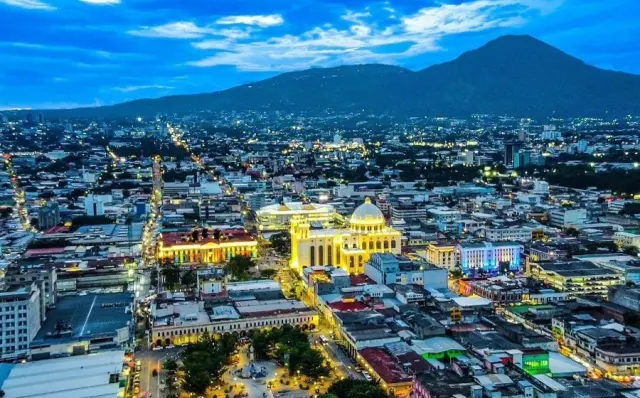
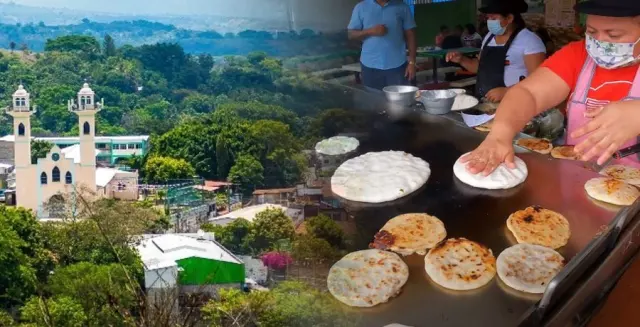
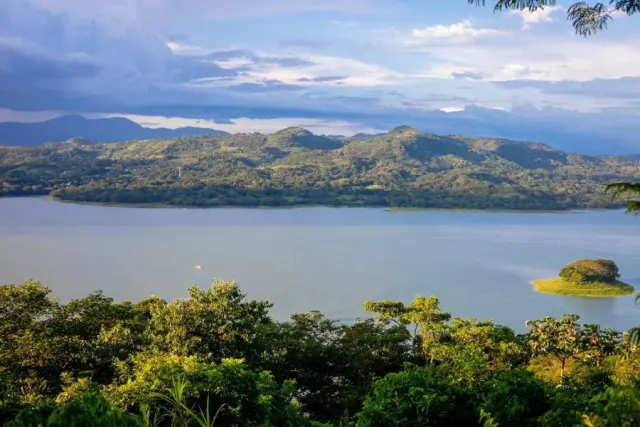
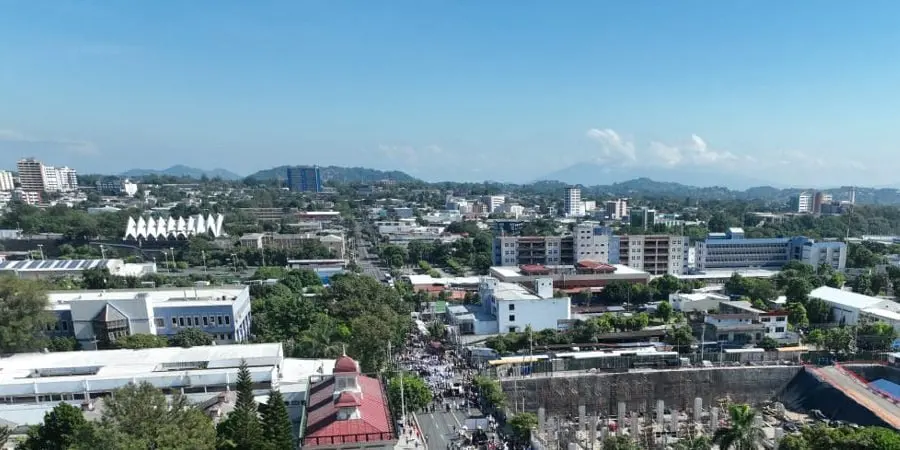
For travellers, the practical read is this: the streets, buses and neighbourhoods that visitors avoided for years are markedly more accessible, and day-to-day street harassment tied to gang territory has largely faded. El Salvador's tourism push — surf towns like El Tunco, the Ruta de las Flores, Santa Ana volcano — has grown on the back of exactly this security shift.
There's a serious caveat worth knowing before you go. The state of exception remains in force — extended for the 56th time in October 2026 — and Human Rights Watch reports more than 93,000 people have been detained under it, including minors. Amnesty International warned in July 2026 that arbitrary detentions could amount to crimes against humanity, and the Inter-American Commission on Human Rights has urged an end to the emergency measures. Foreign visitors are rarely affected, but everyone in the country lives under expanded police powers and suspended legal protections. The safety gains are genuine; so is the controversy behind them.
The bottom line for holidaymakers: El Salvador is now one of Central America's most talked-about comeback destinations, with violent crime at levels unthinkable a decade ago. Standard travel sense still applies — petty theft exists everywhere, and the UK report suggests some rural zones retain residual gang activity — but the fear that once defined a visit has largely lifted.