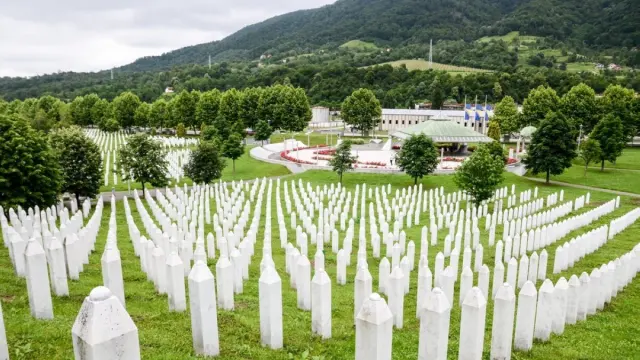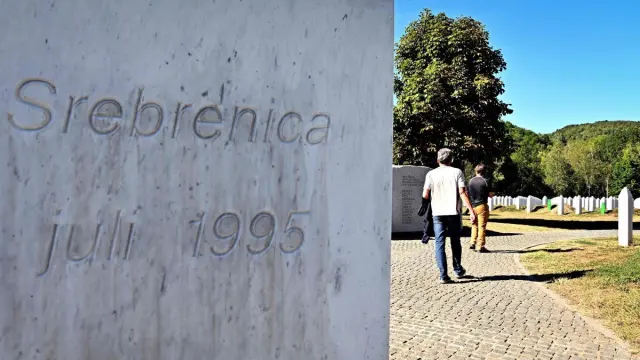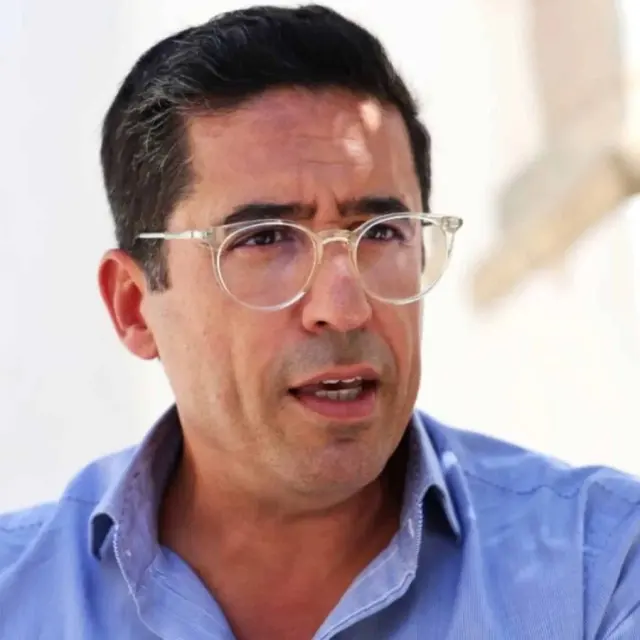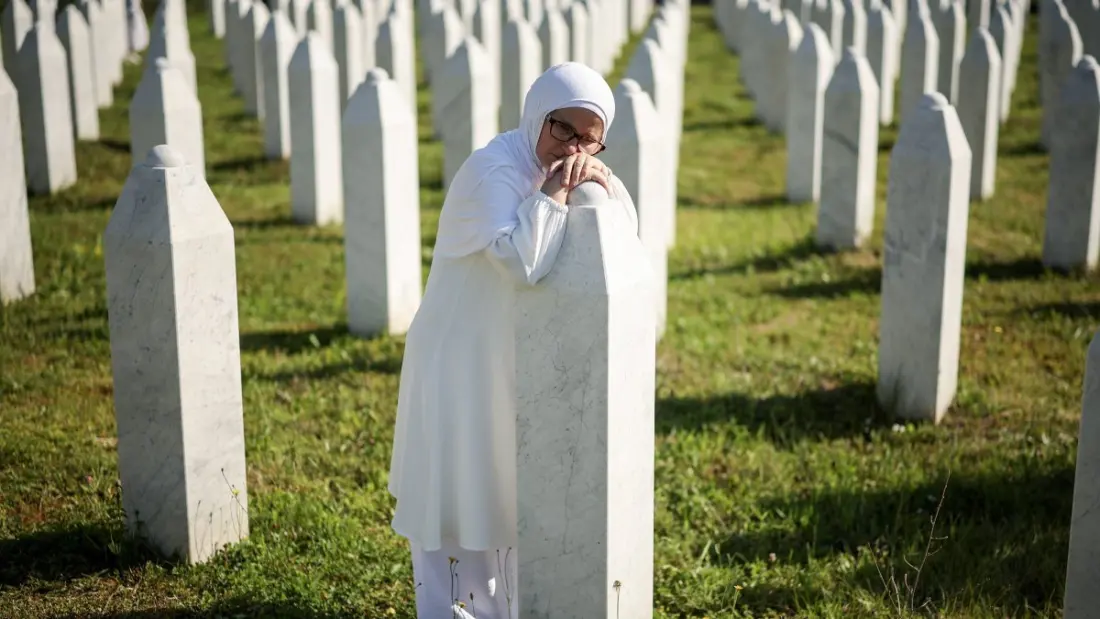
The Srebrenica Genocide Memorial Center at Potocari, near the eastern Bosnian town of Srebrenica, is once again in the news — and not for an anniversary. Emir Suljagic, the centre's director and himself a survivor of the July 1995 massacre, has written a stark account of what he describes as a campaign of intimidation against the institution and its staff.
The facts he lays out are troubling. In July, at least 26 current and former employees and associates of the memorial were summoned for questioning by the Zvornik Police Administration, which answers to the Republika Srpska authorities — one of Bosnia and Herzegovina's two governing entities, and the one whose wartime forces carried out the genocide. In September, prosecutors in Bijeljina sought the centre's financial and administrative records from 2022 as part of a preliminary inquiry into alleged tax evasion. Suljagic says the memorial welcomes lawful scrutiny but questions the timing: the questioning began the day after the centre published its annual report documenting 149 instances of genocide denial, up from 99 in the previous period.
This is not an isolated friction. Suljagic describes being summoned himself in 2024 over an allegation concerning a police officer who, he says, had been harassing his staff. A year earlier, state-level police helped block an attempted raid on the memorial's premises on claims it held illegal weapons — items that were in fact legally donated exhibits. Last year, entity police prevented his team from filming inside a building in Pilica that was used for mass executions during the genocide.
The legal backdrop is settled elsewhere. The International Criminal Tribunal for the former Yugoslavia established that genocide was committed at Srebrenica, the International Court of Justice confirmed that in 2007, and senior Bosnian Serb military and political leaders were convicted. More than 8,000 Bosniak men and boys were murdered. Yet leading figures in Republika Srpska, including Milorad Dodik, continue to reject those findings.
Suljagic's broader point is that the memorial is not just a cemetery where people come once a year to lay flowers. His team collects testimony, preserves documents, investigates execution sites and runs education programmes — work he believes some politicians would rather see quietly scaled back to remembrance without accountability.
For travellers, this matters in a practical way. Potocari is one of the most visited sites of remembrance in the Balkans, drawing school groups, pilgrims and international visitors, particularly around the 11 July anniversary. Anyone planning to go should understand that the memorial operates in a contested political environment, and that the people who greet you at the visitor centre are survivors and returnees working under real pressure. Visiting respectfully — and understanding what the site documents — is part of the experience.
Suljagic's closing appeal is straightforward: let the people preserving the evidence do their jobs without intimidation. Whether that holds will say a lot about the region's future — and about whether the lessons invoked in anniversary speeches mean anything the rest of the year.
Daily Sabah Travel