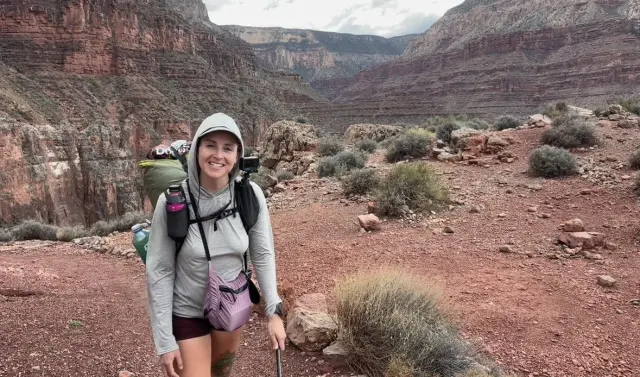
A hiker's second day on the John Muir Trail in California's Sierra Nevada turned into a lesson in perseverance — and in trail logistics. The day began after a rough night camped near Rock Creek, with non-stop coughing, congestion and very little sleep. Things looked grim, but morning brought two small victories: symptoms eased slightly, and — in a genuinely remarkable bit of luck — the hiker recovered the eyeglasses he'd dropped into a stream the night before. Working upstream along the stream bed, he spotted them on an underwater sand bank within about 25 to 50 yards of where they fell, sparing him a drive to Lone Pine for replacements.
The day's hiking covered a steep, poorly-switchbacked climb out of camp (the local ranger had warned it was 'rough' and he was right), a total elevation gain of around 2,077 feet for the day, and a slow 31-minute-per-mile pace, reflecting the rough night. At Guyot Pass the pair stopped for lunch and traded notes with southbound thru-hikers nearly finished with the trail — a classic JMT moment where northbound starters and southbound finishers swap impressions of what lies ahead.
Practical detail worth noting: the sandy JMT terrain had this hiker regretting abandoning his gaiters, which he'd ditched after the Long Trail in 2025. Two of three southbound hikers he met were still wearing theirs.
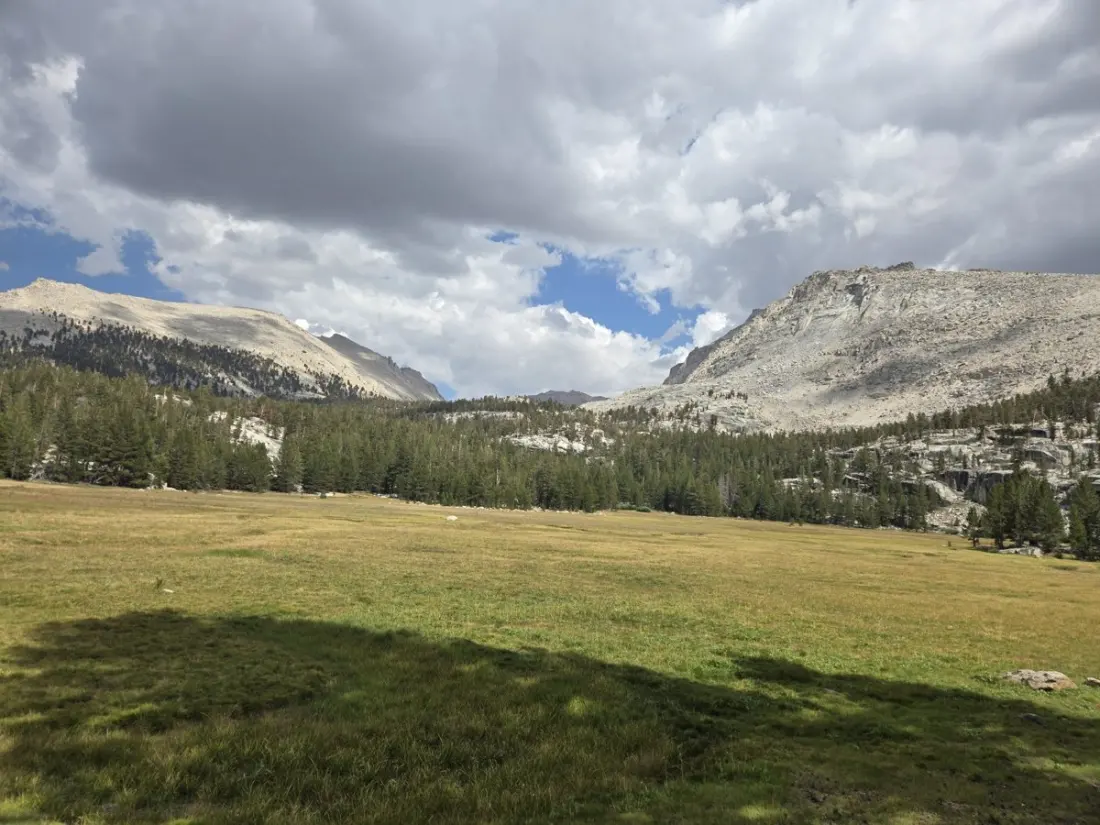
The day ended at Crabtree Meadows and the Lower Crabtree Campground, the standard base for summiting Mount Whitney, the highest peak in the contiguous United States. Because Whitney requires packing out all human waste, hikers must carry 'wag bags' — and there's a catch the pair learned the hard way: ranger stations no longer stock them by default. The Rock Creek ranger had a few spare in supply and handed them over, but relying on that is a gamble. Plan to bring your own.
The plan was to camp two nights at Crabtree Meadows, leaving at around 1 a.m. for a summit push in the dark. The only open question: whether another coughing night would ground the climb entirely.
For anyone considering the JMT, this account is a useful reality check. It's not just the miles — it's the small logistics that make or break a day: dig your cathole the night before, keep a firm grip on your glasses near streams, pack wag bags if Whitney is on your itinerary, and maybe reconsider those gaiters. The trail rewards the prepared, and the story of two hikers leap-frogging a trio from Arizona, Kansas City and Cologne toward Whitney captures exactly the kind of camaraderie that makes this 211-mile route one of America's most beloved long-distance hikes.