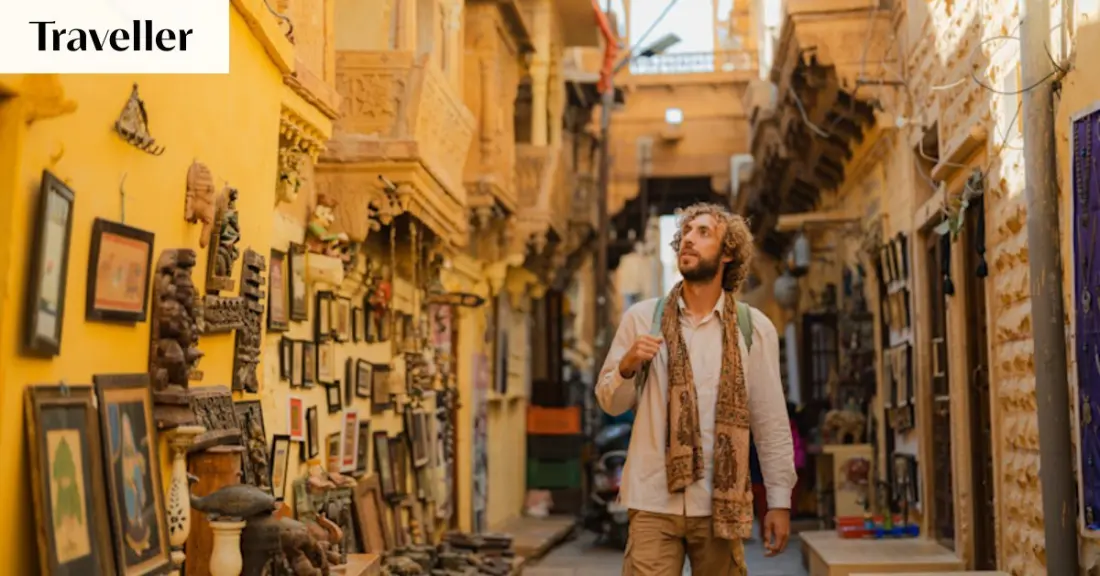
The old travel mantra — be a traveller, not a tourist — has been doing the rounds since Anthony Bourdain's early shows, plastered across hostel walls and recycled in social posts. One Australian travel writer has had enough of it, arguing the whole distinction is a contest nobody should be playing.
Their skepticism kicked off over a beer in Bangkok, when a two-week trip earned the withering verdict: "Oh, so you're, like, a tourist?" Rather than accept that, the writer started picking apart the gatekeeping rules that supposedly separate the two tribes. Duration of stay is the big one — as if months on the road automatically make you a better person than someone with a fortnight of annual leave.
Then there's the country count, where travellers collect nations like stamps on a loyalty card. Or the accommodation snobbery: some claim you're only authentic if you avoid luxury hotels and suffer for your trip. The writer's low point was a backpacker in Laos who declared nobody in the group could call themselves a traveller because none of them had been to India. The group quietly ditched him at the next bar.
The critique cuts both ways. Long-term backpackers who survive on supermarket pasta in hostel common rooms aren't exactly soaking up local culture either — they just have more time to look down on people who don't. Meanwhile, social media has turned the whole thing into a competitive sport, with trips scored, measured and posted for approval.
The writer's alternative is simple: drop both labels and think of yourself as a guest. Travel isn't a right but an invitation, one afforded by the accident of where you were born — a privilege many of your hosts could never afford in reverse. That reframing changes how you behave. Don't blow up over a meal arriving 15 minutes after your companion's when the cook might earn $50 a week. Ask before pointing a camera at someone. Dress appropriately. Don't haggle furiously over what amounts to a couple of dollars.
Most importantly, engage with your hosts as people rather than set dressing. The writer's preferred icebreaker is language — learning a few words of the local tongue, even ones destined to go unused (they've never again needed the phrase for "I'm sorry, I don't speak Georgian" since leaving that country). The gesture works like bringing a bottle of wine to a dinner party: it signals your hosts are part of the experience, not staff for it.
Why does this matter for anyone planning a trip? Because the traveller/tourist binary mostly breeds guilt and one-upmanship, neither of which makes a holiday better. The guest mindset is more practical: it costs nothing, works on a two-week break as much as a gap year, and tends to get you warmer welcomes, better food recommendations and more honest conversations than any hostel-floor credential ever will. As the writer puts it, the product isn't a destination — it's someone else's home.
Original reporting: Traveller (Sydney Morning Herald)