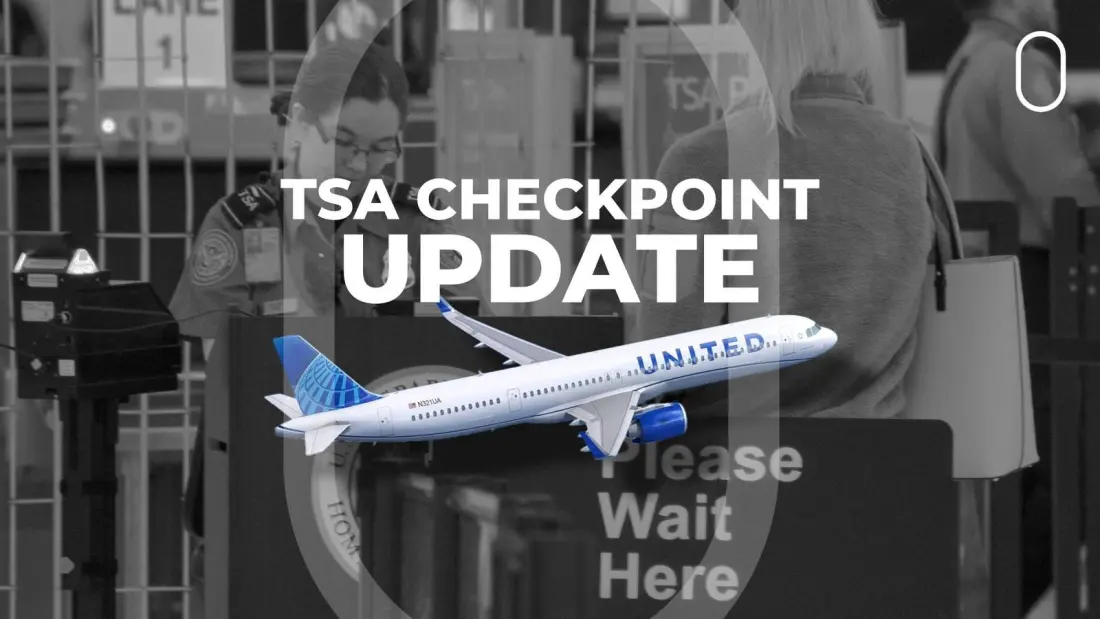
Getting through airport security in the United States is about to look a bit different for millions of travellers. The Transportation Security Administration has introduced dedicated 'Honor Lane' security lanes for US military veterans, active-duty service members and their families at more than 30 airports nationwide. Where a physical lane isn't available, military flyers can still be fast-tracked through the regular checkpoint by showing their ID.
The move formalises something that has long happened informally at many American airports, where uniformed personnel were often waved through priority lines. Now there is a named, structured programme, and it extends the benefit to veterans — not just those currently serving — as well as accompanying family members.
The obvious question for everyone else in the queue: does this make your wait longer? The TSA's bet is that it won't. Segregating a predictable group of travellers into their own lane should, in theory, smooth flow at the main checkpoints rather than slow it down. Sceptics will point out that any lane carved out of existing infrastructure has to come from somewhere, and the impact will likely vary airport by airport depending on how busy each checkpoint gets and how many military travellers pass through. Either way, it's worth knowing about before your next US flight, since queue layout changes at security can catch even frequent flyers off guard.
For eligible travellers, the perk stacks alongside existing benefits. Military members have long had access to things like free checked baggage allowances on many US carriers, and many veterans hold TSA PreCheck or Clear memberships. The Honor Lanes don't replace PreCheck — they're aimed at travellers who may not have it, including those travelling on short-notice orders who never got round to enrolling in a trusted-traveller scheme.
Why should a holiday traveller care? If you're flying within or through the US, these lanes are now part of the checkpoint scenery at more than 30 airports, so expect slightly different signage and queue layouts. And if you're a veteran yourself — including visiting from abroad with US service history — it's worth carrying ID that proves your status to make use of the fast-track. For everyone else, keep an eye on wait times at participating airports; the TSA will be under pressure to show the programme doesn't cost regular flyers a single minute. Simple Flying