Day 11 of a Camino de Santiago walk covers the 13.9 miles between Santo Domingo de la Calzada and Belorado in northern Spain, and it delivers a pretty honest cross-section of what pilgrim life actually looks like: pre-dawn roosters, a mass in a tiny village church, a hailstorm, and finally the eternal pilgrim problem of drying your socks.
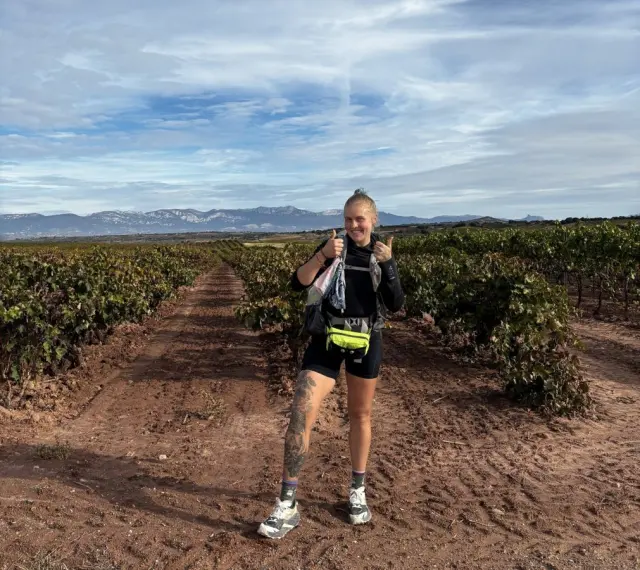
The day starts at 5 a.m. in a shared albergue, where roughly 200 pilgrims rise at once in something the writer calls morning rush hour. Rather than racing out, they linger over a grocery-store breakfast, then set off at 8 a.m. in high-40s temperatures on a long uphill stretch, with what looks like impossible snow-capped mountains floating to the north — an optical illusion — and genuine snow-dusted peaks hidden in cloud to the south.
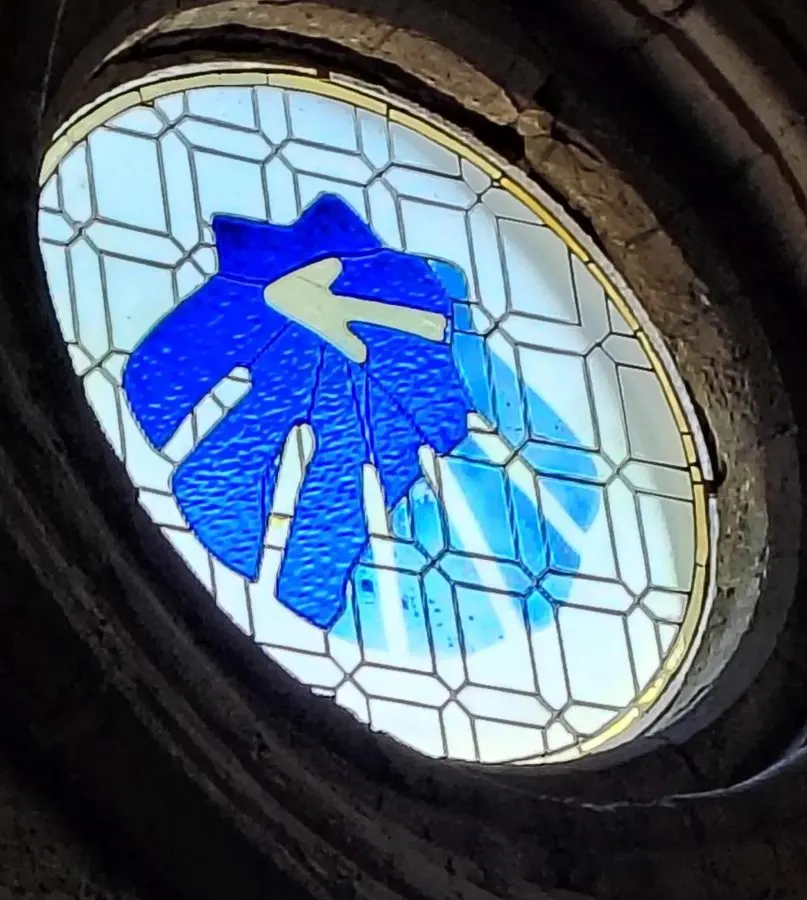
Four miles in, the route climbs to Grañón, a compact medieval hilltop town of cobbled streets and wood smoke, crowned by a church with a striking bright-blue Camino shell stained-glass window. Soon after, walkers cross out of La Rioja into the province of Burgos, where they'll stay for the next 400 km. In Redecilla del Camino, a local woman tips them off that the priest is arriving to unlock the church — minutes later the bells ring for mass, revealing a massive carved stone baptismal font depicting Jerusalem.
Then the weather turns. Dark clouds deliver ice pellets and wind-driven rain for the final climb into Belorado, leaving the pair soaked to the bone. Spain's rhythms offer little sympathy: at 3 p.m. everything is on siesta, and with the World Cup on, restaurants refuse to cook. Eventually they find a square-side bar serving Spanish tortillas, bread, wine and tea for about $14 total — a bargain by any measure.
The closing scene is the highlight, and the source of the piece's title. With every piece of clothing soaked, the writer stakes out the only sunny patch of pavement in town — the central square — and spreads underwear, socks and all across the tables and chairs of a closed bar, true 'hiker trash' style. Locals stroll past the impromptu laundry line while the writer nurses glasses of Spanish red in the sun until everything dries.
For anyone weighing up the Camino Francés, this is a genuinely useful snapshot. The infrastructure is superb — cheap albergues, bars every few miles, pilgrims to chat with around every bend — but the daily reality includes wet gear, early wake-ups and midday closures. Spring and autumn bring changeable weather, so quick-dry clothing matters more than fashion. And the trail's rhythm rewards flexibility: when the kitchen won't cook, the wine is still excellent, and the sun eventually comes out.
It's a walk where a stranger tells you when mass starts, a mother-and-son pair from Minnesota keeps reappearing day after day, and the biggest crisis of the afternoon is seafood in the tortilla. That mix of austerity, routine and small pleasures is exactly why people keep walking it.