A Russian warship went down at the port of Benghazi, and Ankara wants everyone to know it is watching what happens next in the Mediterranean. At its weekly briefing on Thursday, Türkiye's Defense Ministry said it is monitoring the war's implications for maritime security, vowing to protect the country's waters and critical infrastructure while working to stop the conflict spreading further south and east.
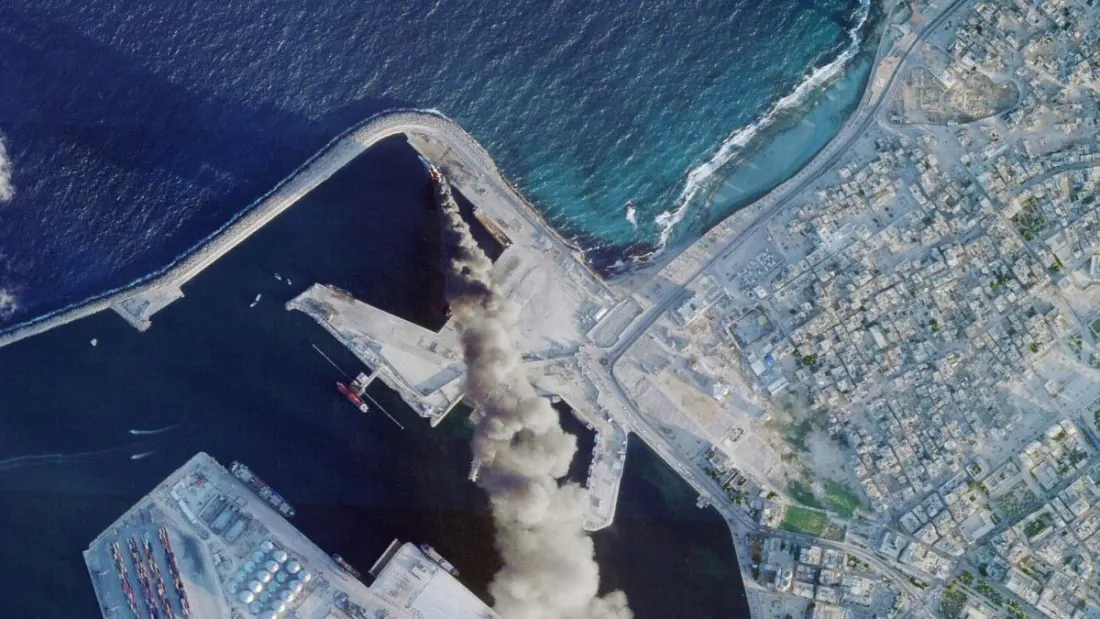
The trigger: Ukrainian attacks on two Russian vessels near Benghazi in eastern Libya. The Russian corvette Merkury exploded and sank at the port, and a cargo ship was also hit. Libya has taken the matter to both the UN General Assembly and Security Council, and Moscow has issued threats in response. The Turkish ministry's core message was pointed — international law bars hostile activity in the territorial waters of neutral states, and the warring parties should stop targeting civilian vessels. The Turkish Armed Forces, it said, will keep taking measures to ensure maritime security and navigational safety across the Mediterranean.
Why does this matter beyond the war room? Because the Mediterranean is one of the world's busiest shipping corridors, and holiday traffic moves through it too: ferries between Türkiye, Greece and Cyprus, cruise itineraries that call at Turkish and Greek ports, and cargo routes that underpin fuel and food prices across the region. An attack pattern creeping from the Black Sea to the North African coast, with threats of retaliation attached, is exactly the kind of spillover that can reshape route planning, insurance costs and port calls for operators in the basin. The ministry itself flagged concerns about Mediterranean security and energy supplies.
The briefing covered other ground with travel-adjacent angles. Türkiye confirmed it has launched new naval facilities in Somalia under a bilateral defence and economic cooperation deal, helping Mogadishu's navy and coast guard tackle piracy, illegal fishing and smuggling — relevant to anyone following Red Sea and Indian Ocean route security. Spokesperson Rear Adm. Zeki Aktürk also raised the worsening humanitarian situation in Gaza, citing winter conditions and restrictions on aid, and welcomed a UN General Assembly resolution reaffirming Palestinian self-determination. On the domestic front, Türkiye noted it has become the first country to put an unmanned fighter aircraft, the Bayraktar Kızılelma, into its military inventory.
For holidaymakers, the practical read is simple but worth keeping an eye on: no borders have closed and no ferry or cruise routes have been suspended as a result of this incident, but the eastern Mediterranean's security picture is shifting, and travellers with trips involving Türkiye, Libya's neighbours or eastern Mediterranean sailings should follow official Foreign Office guidance and operator updates as the situation develops.
Daily Sabah