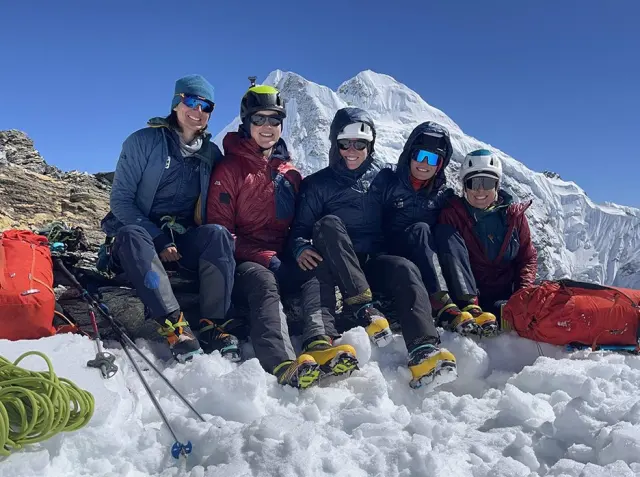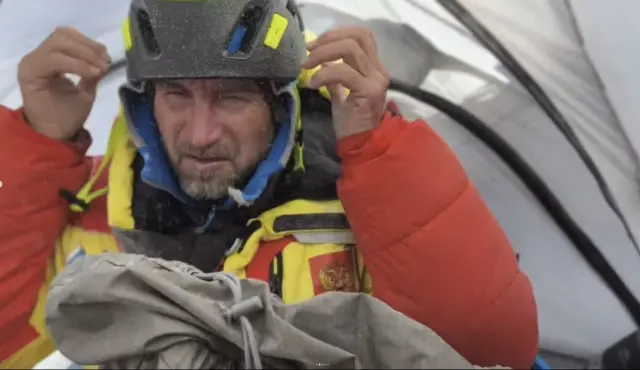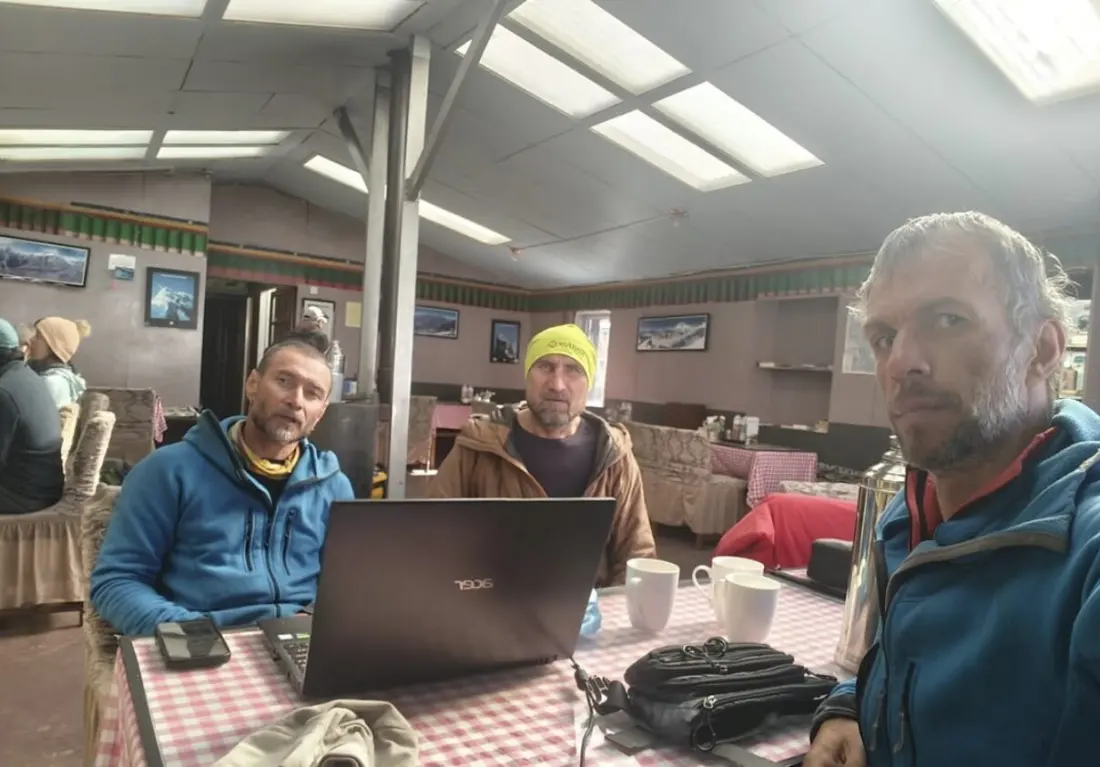
A Russian expedition aiming for Everest's West Ridge has abandoned its attempt this spring, with leader Andrei Vasiliev citing exhaustion, illness and worsening mountain conditions.
The team, which had been waiting out high winds in a tent at 5,600 metres, descended to Lobuche and confirmed the trip was over. Vasiliev told MountainClub that the whole team had been battling colds and coughs carried over from earlier rotations on the mountain, while climber Vitaly Shipilov is nursing an injured shoulder. "We just don't have the strength left," he said.
Timing played a role too. This latest rotation was meant to be the final acclimatisation round before a summit push, with the plan to reach 7,500 metres, rest, then go for the top. But with the climbers run down, Vasiliev judged that even if they scraped through this outing, there would be nothing in the tank for a second, decisive push. He also flagged a mounting hazard: seracs on the route are falling more often than they were earlier in the expedition.
Rather than gamble, the team has packed up and is already pointing to next spring. Vasiliev says he's turning his frustration into motivation for a return attempt — a reminder that on Everest, knowing when to quit is often what keeps climbers alive to try again.
For travellers, the story is a useful window into how demanding high-altitude mountaineering really is, even for experienced teams with prior acclimatisation rotations behind them. The Everest region — the Khumbu, or Solu-Khumbu — remains one of the world's great trekking destinations for ordinary travellers too, with the Everest Base Camp trek passing through exactly the kind of terrain this team was operating in, including Lobuche at around 4,900 metres. You don't need to climb anything to experience the same valleys, villages and views; a well-paced trek with proper acclimatisation days is enough for most fit travellers.