Brussels has spent years being politely overlooked by art lovers heading to Paris or Amsterdam. That changes on 28 November, when Kanal opens its doors — a vast new museum of modern and contemporary art built inside the former Citroën garage on the city's canal, and one of the biggest museum projects Europe has seen in a while.
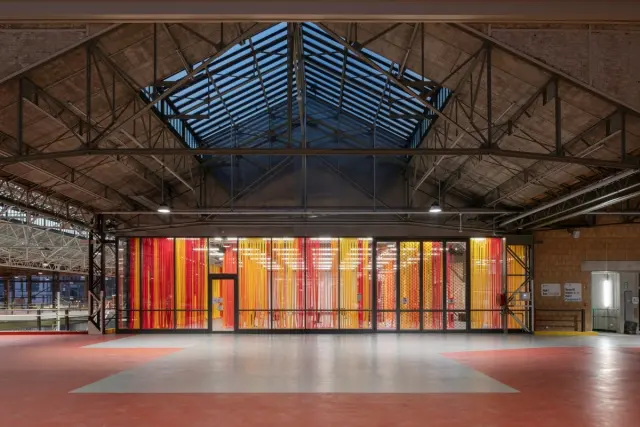
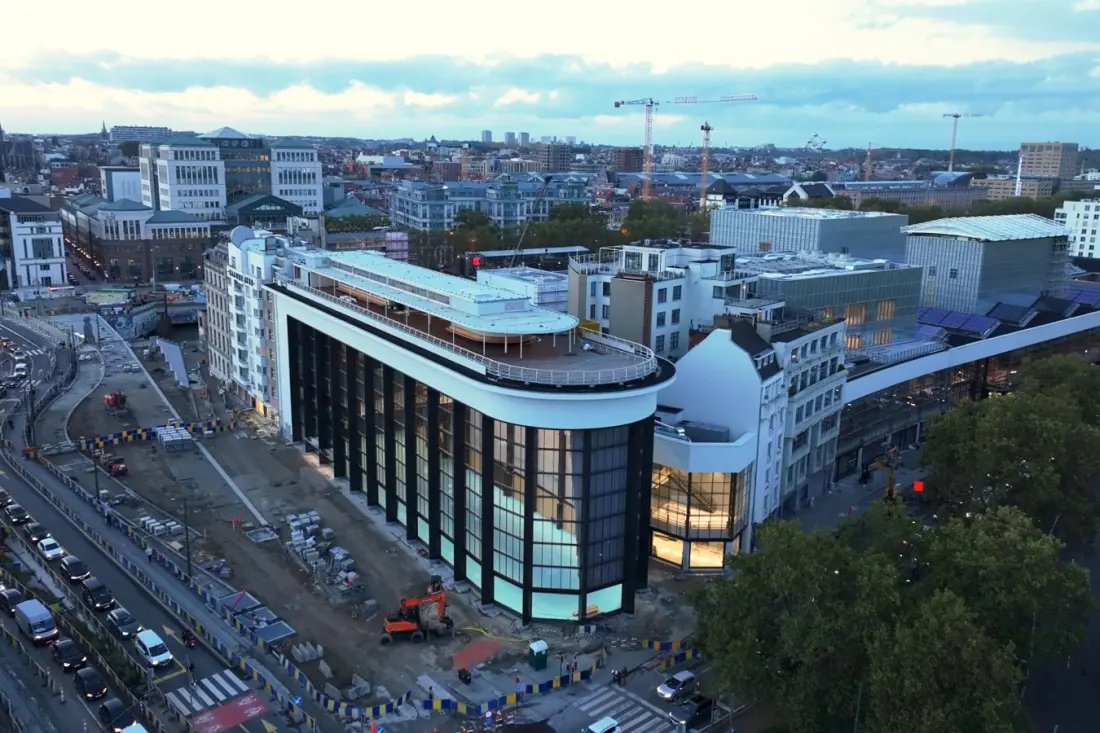
The building is the headline act. André Citroën's 1934 Belgian headquarters was conceived as a "cathedral for cars": a concrete labyrinth of workshops and steel-trussed ramps beneath a soaring glass showroom. Nearly a decade of redevelopment later, the consortium of EM2N, NoAarchitecten and Sergison Bates has shaped it into 40,000 square metres that riff on the industrial heft of Tate Modern with something of the Pompidou's playfulness. Three climate-controlled glass cubes — galleries, an auditorium and an architecture centre — punch through the original glass roof, while the old street-facing showroom is now a 21-metre-high public atrium whose giant windows swing open in warm weather.
Kanal gets serious clout from a partnership with the Centre Pompidou, which is shut in Paris until 2030. The two institutions will co-produce shows for the next five years, starting with the flagship A Truly Immense Journey, which loans out hundreds of works so Braque, Picasso and Matisse can hang alongside contemporary pieces from Kanal's own collection. In total, ten opening exhibitions involve more than 250 artists — among them Banu Cennetoğlu's slowly deflating gold balloons spelling out the Universal Declaration of Human Rights, and An Infinite Woman, which confronts the building's ties to Citroën's 1920s colonial Croisière Noire expedition across Africa.
What makes Kanal unusual is how much of it costs nothing. Roughly half the museum is free: two 18-metre-wide indoor avenues, a first-floor viewing gallery where you can peek at the paid shows, a public library, a bookshop, a bakery, a Turner Prize-winning indoor playground by Assemble, a printmaking workshop run by Werker across three floors, plus a canal-facing brasserie and a fine-dining restaurant. Director Yves Goldstein calls it "a museum with streets and corners" — a place to linger, not just queue. After opening weekend (free, with concerts and DJ sets), exhibition tickets cost €24, while the public spaces stay unticketed.
For travellers, this is the excuse to look beyond Grand Place. Kaaitheater, the art deco performance venue next door, reopens in 2027, and across the canal Molenbeek's grassroots scene is worth a wander for its live music, community hubs and independent museums. The Hoxton Brussels is a short walk away if you want to stay close. Suddenly the Belgian capital has a reason to top any European art itinerary.