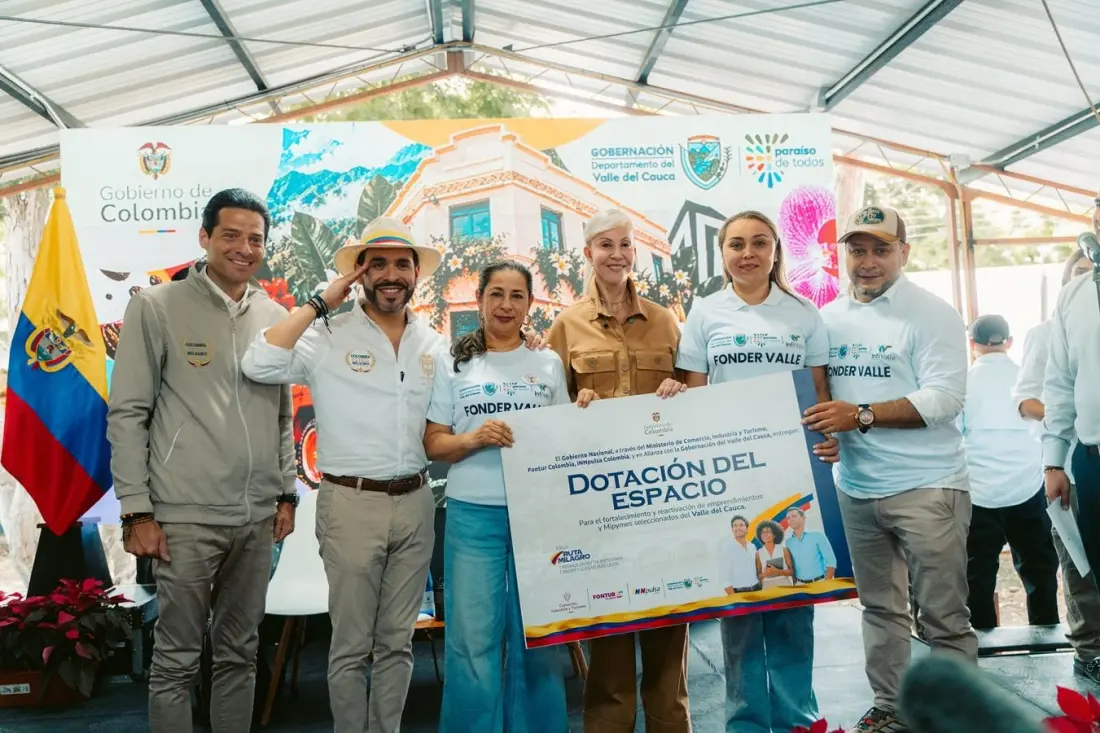
Nearly four months after a powerful earthquake struck central Colombia, the country's dedicated reconstruction fund has barely moved. Colombia's Finance Ministry confirmed that as of late November, only 170 million pesos — roughly US$47,000 — of the Milagro Fund's 624.656 billion peso (US$174 million) budget had actually been spent. That works out to 0.027% of the money available, a figure first reported by La Silla Vacía and only released after a court compelled the ministry to answer a transparency request from a citizen oversight group in Armenia and the department of Quindío.
The numbers get worse the closer you look. Of the total budget, financed by a World Bank loan, just 13.9% has been committed and a mere 0.6% contracted. Around 86% — some US$149 million — remains untouched. The fund was created by presidential decree on September 9, a month after the August 10 earthquake, specifically to speed up housing reconstruction, infrastructure repairs and economic recovery in the affected coffee-region departments. Its slow start has raised real questions about whether the machinery exists to convert budget lines into rebuilt homes.
Money isn't the only problem. The fund's new director, Luis Felipe Henao — appointed after his predecessor resigned amid a salary scandal — estimates total reconstruction needs at 40 to 50 trillion pesos (about US$12.5 billion), against roughly US$4.25 billion currently available. For every peso in the fund, three more are needed. The government is hunting for the gap through royalties, regional contributions, the Works for Taxes scheme and the operational muscle of agencies like the Adaptation Fund, and Henao favours letting ministries such as Housing and Education run projects with their own budgets rather than routing everything through the fund.
Congress is watching closely. The Senate has approved an extra 2.7 trillion pesos (about US$750 million) for the fund, now before the House, with a condition attached: monthly spending reports to the economic committees. Some 77% of the additional money would go to housing, health, education and infrastructure, with the rest channelled to local businesses via chambers of commerce.
For travellers, the relevance is practical rather than alarmist. Quindío is the heart of Colombia's coffee triangle — a flagship region for hacienda stays, Cocora Valley hikes and town-hopping around Salento and Filandia — and parts of it were shaken hard in August. Recovery spending moving this slowly means some rural hotels, viewpoints and heritage buildings may still be under repair or closed. Anyone planning a trip there in the coming months should check accommodation status directly, confirm road and trail conditions locally, and consider booking flexible rates. The region remains open and welcoming, but the pace of rebuilding — or the lack of it — will shape what visitors actually find on the ground in 2027.
Reported by Colombia One.