A diplomatic spat over music festivals and a youth football camp is the latest wrinkle in the long-running Cyprus dispute — and it says something about how isolated, and how gradually more connected, the northern half of the island remains.
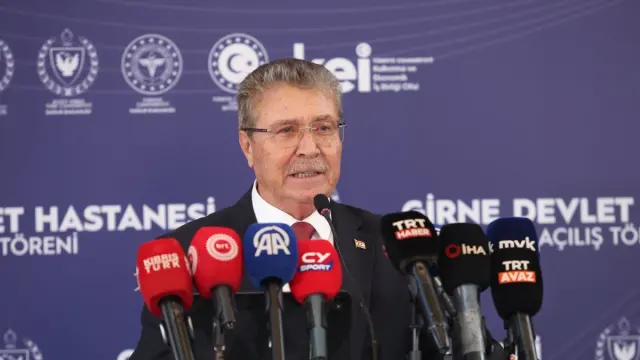
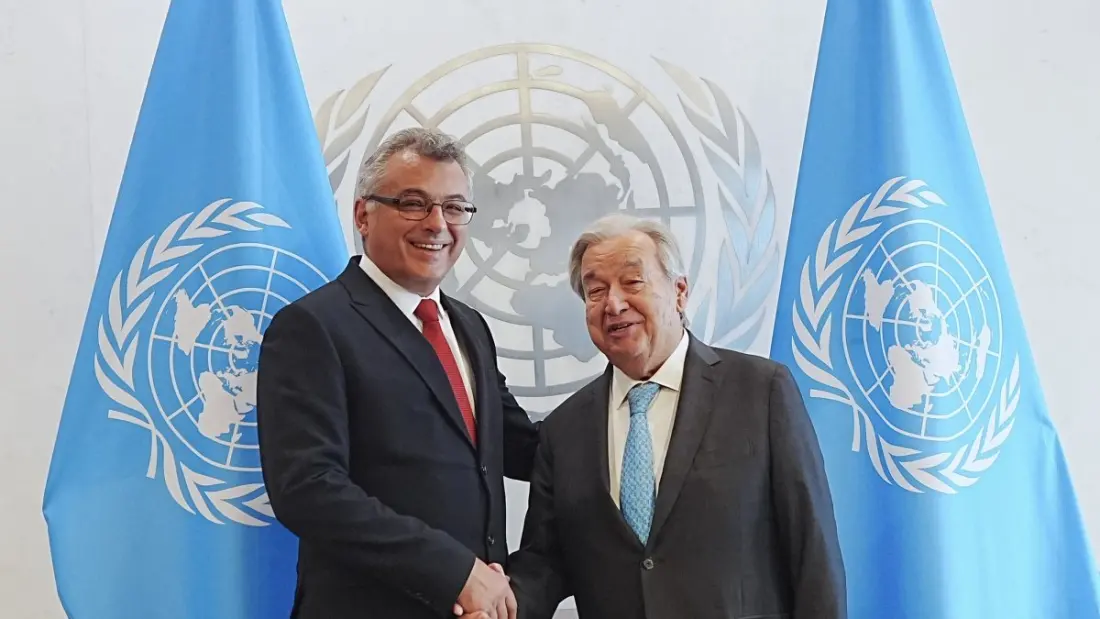
The presidency of the Turkish Republic of Northern Cyprus (TRNC) announced in October 2026 that UN Secretary-General António Guterres had replied to a letter from TRNC President Tufan Erhürman, describing recent moves by the Greek Cypriot administration as "discouraging." Erhürman had written to Guterres in August, complaining that the Greek Cypriot side sought to ban cultural and sports events on the Turkish Cypriot side — including music festivals and a football camp run by Spanish club Barcelona.
Guterres' response, according to the TRNC presidency, lamented that such cancellations could undermine confidence between the two communities. He said he had instructed his personal envoy to keep working with both sides on confidence-building measures and had asked that relevant actors be reminded that cancelling events runs counter to joint efforts. He reaffirmed the UN's commitment to supporting a settlement on the island, divided for more than five decades.
There was a second, similar signal from Brussels. In a reply dated October 6, 2026, to an August letter from Erhürman, the European Commission stressed the need to build trust between Turkish and Greek Cypriots and cited the EU's 2004 Council decision on ending the isolation of Turkish Cypriots. The commission noted that civil society and private organisations contributing to the socioeconomic development of Turkish Cypriots — particularly young people — fit the goal of closer ties between the Turkish Cypriot community and the EU.
Context matters here. The TRNC, established in 1983, is recognised only by Türkiye, while the Greek Cypriot administration represents the island internationally and joined the EU in 2004. Turkish Cypriot leaders increasingly advocate a two-state solution, arguing that decades of UN-led negotiations on a federal settlement have gone nowhere.
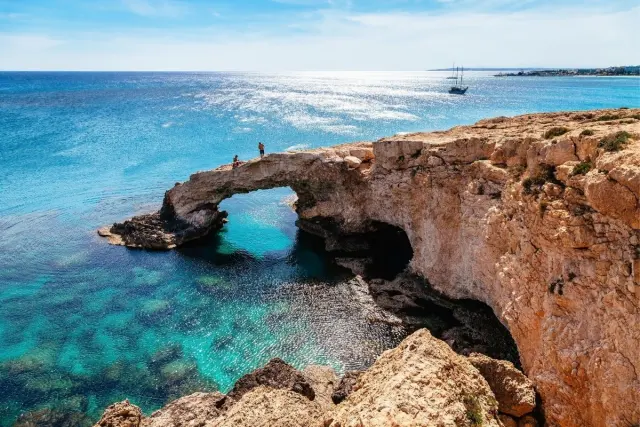
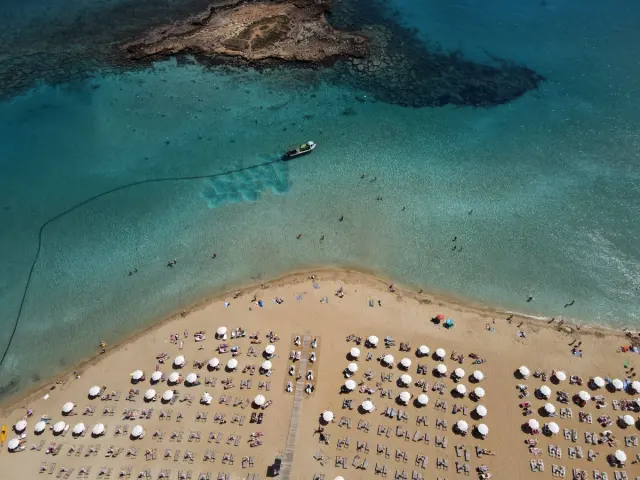
For travellers, the practical upshot is that northern Cyprus remains a somewhat unusual destination: you can fly into Ercan via Türkiye, cross the Green Line from the south with ease in most cases, and find a place that is far less developed for tourism than the Greek Cypriot south — with beaches, Kyrenia's harbour, and the walled old city of Famagusta among the draws. Events like international festivals and sports camps are exactly the kind of contact that has slowly pulled the north into wider circulation, which is why their cancellation drew objections from both the UN and the EU, not just from the TRNC. If you're planning a trip, the island is small enough to see both sides in one visit — just carry your passport for the crossing and check current border rules before you go.