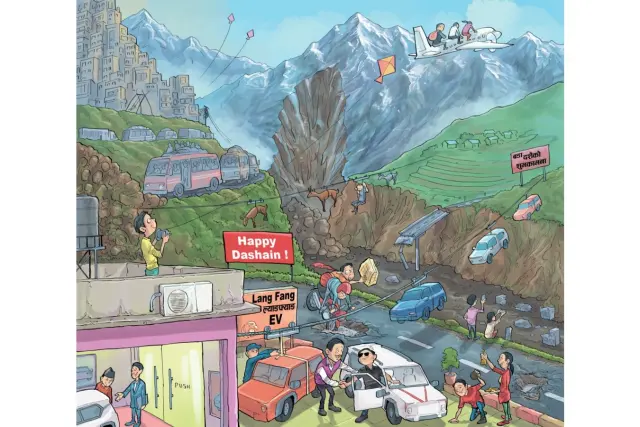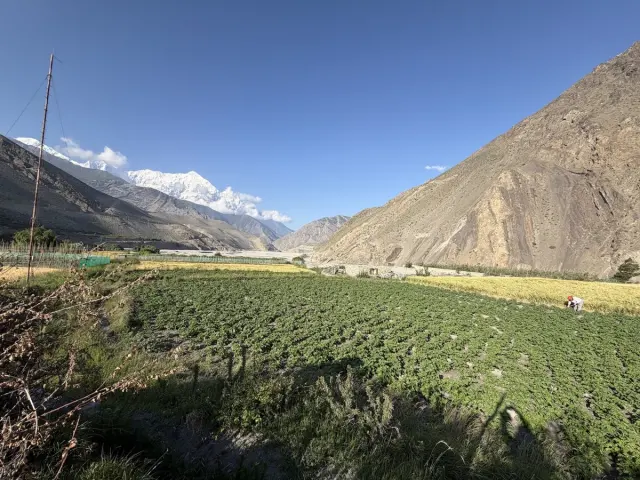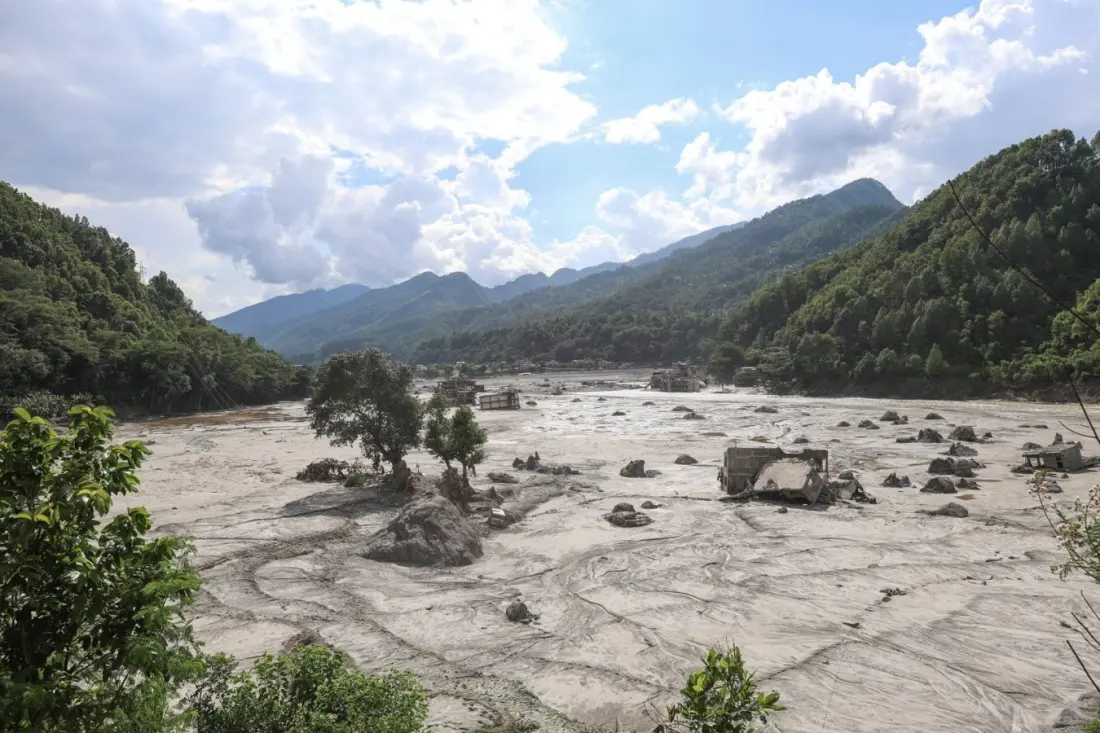
The Trisuli valley in central Nepal is best known to travellers as the route to Langtang and the site of white-water rafting runs, plus the road that links Kathmandu to Tibet through Rasuwagadi. But a new book argues the same corridor was a battleground more than two centuries ago — and that the catastrophic flood of 26 August 2025, which swept away towns along the Bhote Kosi-Trisuli, erased physical traces of that history too.
"Who Won the Sino-Nepalese War of 1791-1792? A Study in Transcultural Complexity", by Heidelberg professor Axel Michaels and research associate Xu Yunheng, draws on archival records from Kathmandu, Lhasa and Beijing, many never before examined. The authors dig into the Gorkha-China war, fought when Bahadur Shah, regent for the child king Rana Bahadur Shah, sent Gorkhali forces into Tibet in 1791 — reaching Shigatse and plundering Tashi Lunpo Monastery. Emperor Qianlong dispatched an army from Chengdu under the Manchu general Fuk'anggan to back the Tibetans.
The fighting along what is now the popular overland route was brutal. Battles raged at Kerung, Rasuwagadi, Timure, Syapru, Dhaibung, Ramche, Dhunche and Betrawati — settlements that the August debris flow, up to 100m deep in places, has now buried. At Betrawati, hundreds died as Chinese troops tried to cross the Trisuli; disease killed still more during ten days of rain. Even a half-submerged boulder revered by pilgrims was shoved 12km downstream by the flood.
The war itself ended in an ambiguous truce, and the translation angle is fascinating: each side claimed victory because the Chinese read the post-war gift exchange as tribute to the Emperor, while the Nepalis called it 'saugat' — a gift between equals. Within 25 years of 1791, Nepal had taken on both China-with-Tibet and British India, a run of audacious campaigns the authors use to question tidy labels like 'tributary state' and 'sovereignty'.
For visitors, this reframes a stretch of road many pass through without a second glance. Nuwakot's hilltop fortress complex, an easy detour from the Trisuli highway, was where Prithvi Narayan Shah cut the Tibet transit route back in 1744 — the opening move in the trade disputes over salt and coinage that eventually sparked the war. Devighat, the cremation site of Nepal's founding king, was another casualty of the 2025 flood.
If you're rafting the Trisuli or trekking in Langtang, the landscape now carries a double story: the 234-year-old conflict and the fresh scars of a disaster made worse by the corridor's role in trade, tourism and hydropower. Michaels and Xu's 498-page book, published by Vajra Books in Kathmandu, is worth seeking out before or after a trip through the valley — Rs 5,000 if you want a copy on your shelf.
Story based on reporting by Nepali Times.