
The United States heads into its midterm elections in November amid an unusual amount of contingency planning. Democratic state parties have launched a recruitment drive called the "New Battlefield Project", aiming to sign up 10,000 volunteers to monitor polling places, partly out of concern that armed federal agents — Immigration and Customs Enforcement in particular — could appear at vote centres. Civil rights groups and the city of Denver have even filed a lawsuit asking a federal court to formally bar ICE from polling sites, citing a Civil War-era law that prohibits armed federal agents at election locations.
The backdrop is a series of failed attempts by the Trump administration to change voting rules before the election. Courts have blocked executive orders on proof-of-citizenship registration requirements and limits on mail voting, though one case is now before the Supreme Court. Election officials say new requirements could not be implemented in time for November anyway. Legal scholars, including UCLA Law professor Rick Hasen, have been distributing guidance to judges on how to respond if the government tries to seize ballots or voting machines — a scenario inspired by the 2020 seizure of election records in Fulton County, Georgia.
On the ground, preparations go beyond lawyers. Indivisible says it has run 17 different tabletop scenarios for November, while the No Kings protest network is encouraging early voting, with rallies planned for 17 October. The National Bar Association has set up a hotline for voters who hit trouble at the polls. The Republican National Committee, for its part, says it has recruited a record number of poll watchers for what it calls the largest election integrity operation in the party's history. The White House dismisses the Democratic fears as politically motivated.
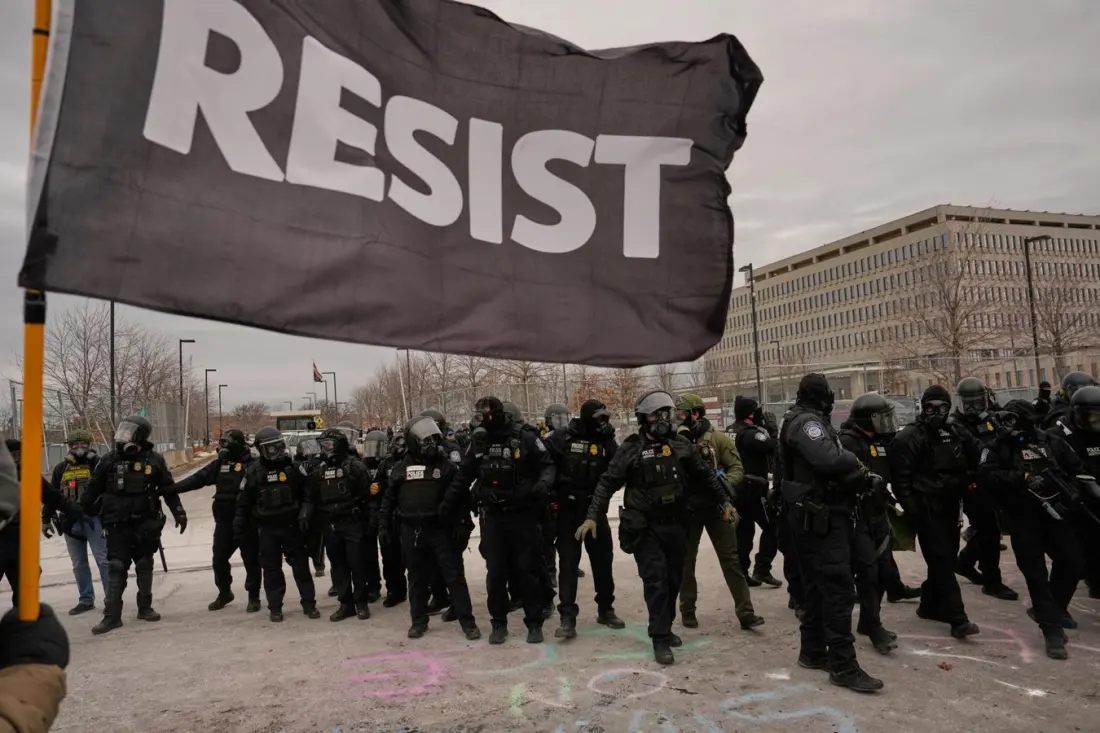
So why does this matter to anyone with a trip booked? For most visitors, the midterms will pass without incident — last year's off-year elections in California and Virginia went smoothly, with no clashes. But if you happen to be in a US city in early November, be aware that large demonstrations are possible, especially around 17 October and election day itself. Protests tied to immigration enforcement have occasionally turned confrontational; two people were killed during ICE-related demonstrations in Minneapolis in January. Gatherings near government buildings, courthouses and polling sites are the ones most likely to cause street closures or transport disruption. None of this should derail a holiday, but it is worth checking local news and avoiding protest crowds if you would rather steer clear.