Every departing flight in the United States was grounded after a communications failure across the country's air traffic control network, prompting the FAA to halt all takeoffs nationwide. It's only the second such stop since 11 September 2001, and Australians flying transpacific routes are squarely in the blast zone.
The trigger appears to be a software update that crashed the private network linking US air traffic control, reportedly operated by L3Harris Technologies. The FAA insists it was not a cyberattack, and US Homeland Security Secretary Markwayne Mullin told reporters bluntly: "This isn't another 9/11. This is a telecommunications outage." Aircraft already airborne were allowed to land, and about 4,000 flights were in US airspace when the order came down.
The good news for Australians heading out is that the Pacific disruption has largely run one way. Qantas' QF11 from Sydney to Los Angeles left on schedule, QF21 to Dallas departed Melbourne on time, and United's transpacific services ran only 20 to 30 minutes behind. The FAA said inbound international flights would be handled case by case.
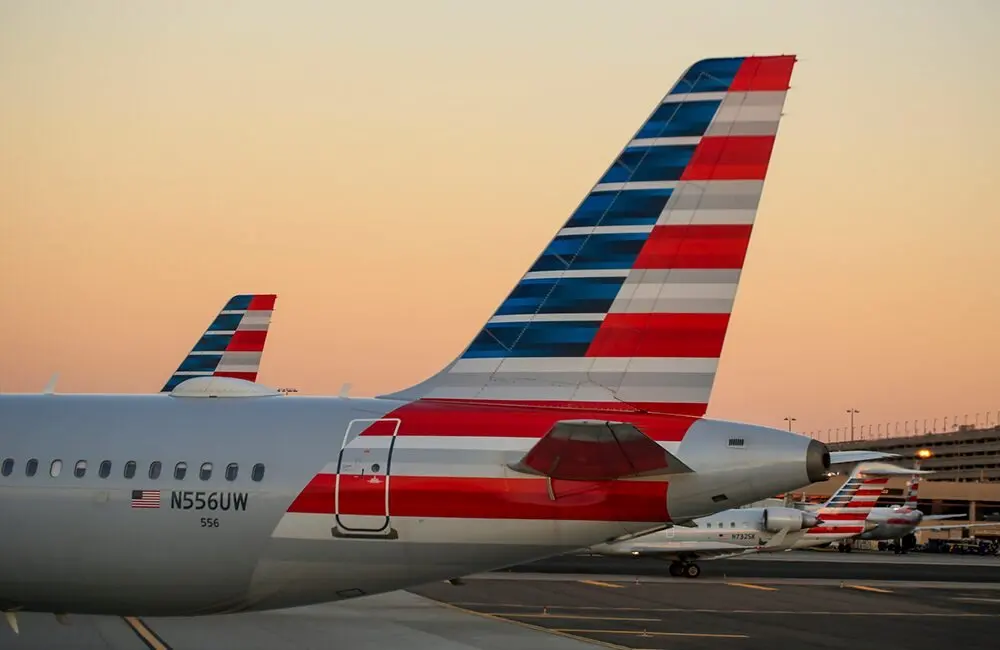
The return leg is where it hurts. Qantas' QF12 from Los Angeles to Sydney was tracking roughly two hours late, and as the stop drags on, aircraft and crews fall out of position — meaning knock-on delays and cancellations well after flights resume. FlightAware was already reporting more than 10,500 delayed and over 1,800 cancelled flights nationwide. American Airlines warned customers to expect disruption for the rest of the day, and CNBC noted that crew duty limits tend to make these situations snowball.
Alaska and Hawaii were exempt from the stop, so routes through Honolulu and Anchorage are less exposed. Smartraveller hasn't changed its US advice, which remains at "exercise normal safety precautions" and simply urges travellers to confirm plans with their airline.
Who should be paying closest attention? Anyone connecting through a US hub onto a domestic flight, a cruise, or onward travel to Mexico or the Caribbean — a missed connection there can unravel an entire itinerary. Travellers flying home to Australia or meeting American visitors arriving for the peak summer season should also watch for second-day disruption as aircraft flow back into Sydney, Melbourne and Brisbane.
Practical advice: check your flight directly with the airline rather than relying on airport status pages, since flight-specific changes come from carriers. The FAA's National Airspace System status page (nasstatus.faa.gov) tracks airport-level disruption. If you're mid-itinerary, build in buffer time and know your rebooking options before you get to the airport.
There's a frustrating irony in the timing: the outage landed a day after US Transportation Secretary Sean Duffy formally asked Congress for US$30.1 billion to modernise the air traffic control system. It's also the second major tech-driven standstill for US carriers in just over two years, after the 2024 CrowdStrike IT outage.
The FAA began gradually lifting the ground stop as systems came back online, with an advisory end time of 10pm US Central Time, but recovery is expected to be staged rather than instant. If you're flying to or from the US in the next 24 to 48 hours, assume something may slip — and check before you leave for the airport.