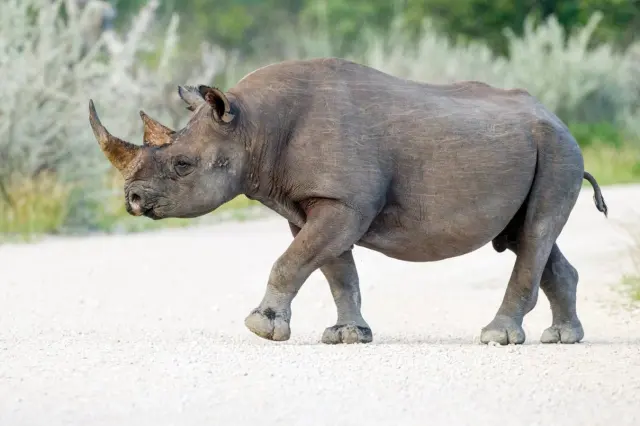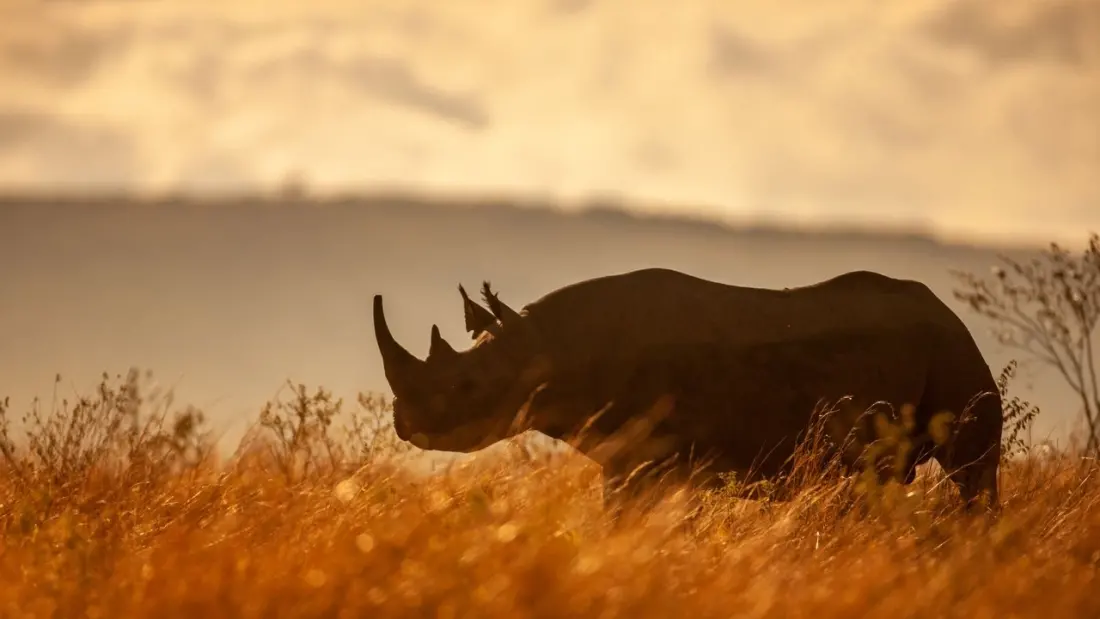
A black rhino bull dozing under a milk bush in Damaraland, both horns intact — the longer one over three feet — is the kind of sighting that was almost unthinkable a generation ago. Namibia's rhino numbers collapsed by 96 percent by the mid-1990s after decades of poaching, leaving just 2,410 animals worldwide. Today roughly 6,000 black rhinos roam free, and about half of them live in Namibia. The World Wildlife Fund reported in July 2026 that poaching incidents have dropped 53 percent since 2024, the lowest level in over a decade.
The government is backing that momentum with money. A $63 million conservation finance deal, Namibia for Life, launched in May 2026 with WWF, channels funds into the country's 86 community conservancies, which together cover more than 49 million acres. In the northwest's Palmwag Concession, rotating tourism by Save the Rhino Trust trackers is credited with shielding the growing (though deliberately undisclosed) rhino population.
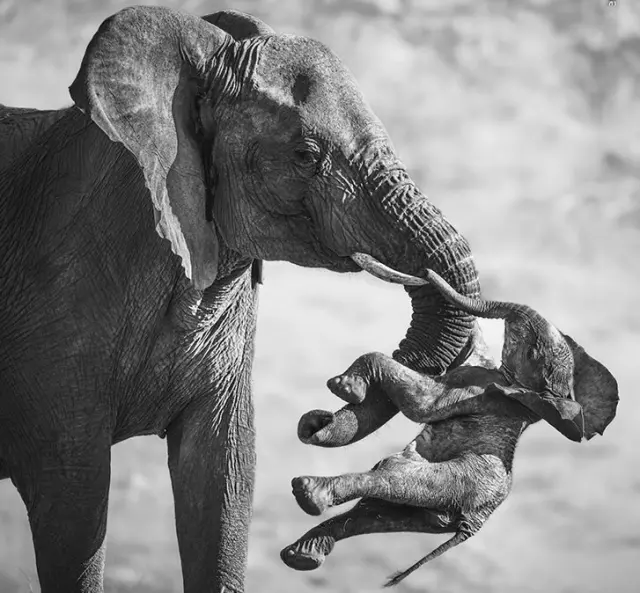
Travel infrastructure in the region is expanding fast. Wilderness rebuilt Desert Rhino Camp in 2024 with six desert-chic tented suites facing the Etendeka Mountains. Natural Selection's new Hoanib Elephant Camp in the Kaokoveld offers 10 solar-powered suites, each with a plunge pool, positioned for sightings of desert-adapted elephants along the seasonal Hoanib River — about 97 percent of its staff come from surrounding conservancies. And Horizon by Ongava, reopened in April 2026 next to Etosha National Park, is a three-villa hideaway on the 74,000-acre Ongava Game Reserve, with chef-driven dining and private plunge pools.
The style of travel is shifting too. Namibia has long been a self-drive destination, and rental outfits still send visitors off with maps, local phones and first-aid kits. But luxury operators increasingly fly guests between camps on short single-engine Cessna hops — handy for American travellers who'd rather skip long stretches on the left-hand side of the road. With new players like Zannier Hotels and Habitas raising the luxury bar, local reports describe one of the country's strongest hotel occupancy years in recent memory.
For travellers, this matters because a visit here now directly funds the conservation it showcases. Every night at these camps supports the trackers, managers and conservancy communities who brought rhinos back from the brink — and who are learning to live alongside elephants, lions and cheetahs rather than lose them. It's one of the rare places where a holiday genuinely tilts the scales.