The last sunset of 2026 came at 1:42 p.m. on November 18 in Utqiaġvik, Alaska — and the roughly 4,000 people who live in America's northernmost town won't see the sun rise again until January 23, 2027. The stretch without sunrises runs from November 19 through January 22, a phenomenon known as polar night, caused by the 23.5-degree tilt of Earth's axis pushing Arctic communities into shadow during winter.
Utqiaġvik, formerly called Barrow, sits about 320 miles (515 km) north of the Arctic Circle, where the Chukchi and Beaufort seas meet. That geography means even at its winter high point, the sun's path never climbs above the horizon.
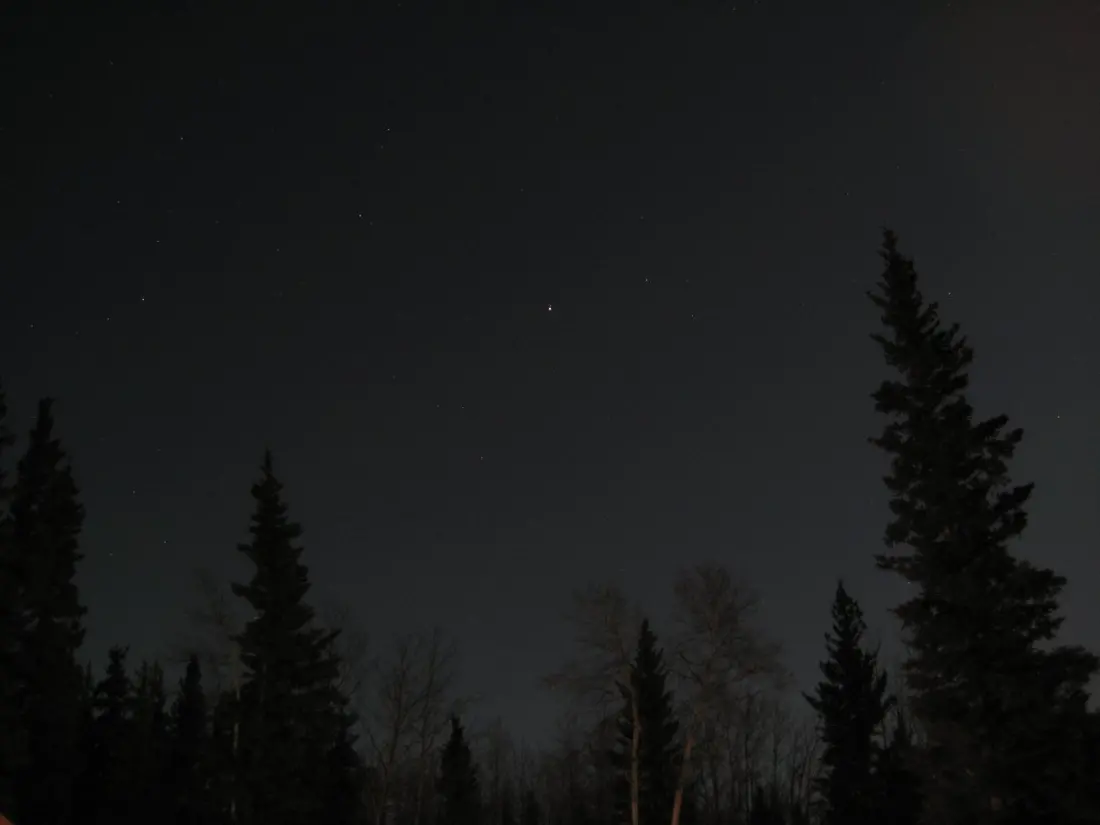
It's not total darkness, though. Around midday the horizon glows with twilight — blues, pinks and violets, strongest toward the south. During the winter solstice on December 21, the town gets nearly three hours of this twilight, roughly noon to 3 p.m., even though the sun itself never appears.
Daily life carries on as normal. Many residents are Iñupiat, and for them polar night is simply part of the calendar: schools stay open, businesses keep regular hours, and community gatherings fill the indoors. Artificial lighting and careful sleep routines do the heavy lifting, while January highs hover around minus 5 degrees Fahrenheit (about minus 20.5°C) — hence the layering of thermal clothing and careful trip planning.
The upside for travellers is real. The long darkness is prime territory for the northern lights, with green, violet and pink displays on clear nights. And the sun's return on January 23 — visible for about an hour shortly after 1 p.m. — is celebrated locally as a genuine event. Daylight builds quickly afterwards, flipping into the opposite extreme from mid-May to early August, when the midnight sun keeps the sky lit around the clock.
For anyone chasing an Arctic winter that few destinations can match, Utqiaġvik offers a rare window: polar night skies, aurora potential and a community that treats two months without sun as business as usual. Just pack for serious cold and plan flights well ahead.