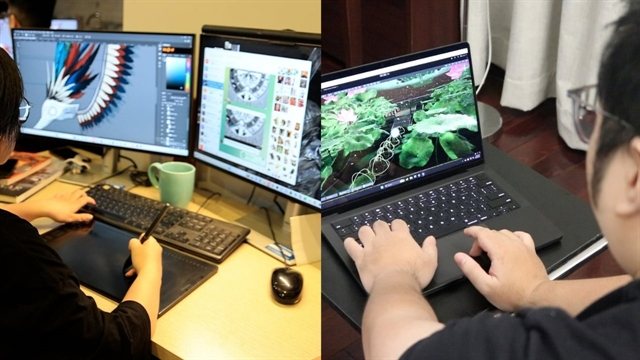
Video games might not be the first thing that comes to mind when you think of Việt Nam, but a wave of local studios is changing that. Developers in Hà Nội and HCM City are building games rooted in Vietnamese culture and history, then releasing them to players across the globe. The idea is simple: instead of borrowing settings and myths from elsewhere, these studios mine their own heritage — folklore, historic periods, and the look and feel of everyday Vietnamese streets — and package it into interactive entertainment with international appeal.
The scope is broad. Some projects draw on the country's deep well of history and legend, while others recreate the atmosphere of modern city life, from the chaotic charm of Hà Nội's Old Quarter to the energy of HCM City. For the developers, it is a way to tell Vietnamese stories on their own terms. For players abroad, it is often a first, surprisingly vivid encounter with a country they may never have considered visiting.
Why should a traveller care? Because games are quietly becoming a gateway to destinations. A well-made game can put a place on your mental map long before you book a flight — think of how Japan's towns saw tourism bumps after appearing in popular titles. Việt Nam's studios are effectively doing early destination marketing for free, seeding curiosity about the country's temples, old towns and street food culture among millions of players worldwide.
There is also a practical angle: if a game captures a place well, it can double as a scouting tool. Wandering a digital recreation of Hanoi's streets gives you a low-stakes preview of the real thing — the narrow lanes, the signage, the rhythm of daily life. It won't replace guidebooks, but it can help you decide whether Việt Nam belongs on your list, and which city to base yourself in when you go.
And Việt Nam rewards the trip. Beyond the two hubs where much of this development happens, the country offers Ha Long Bay's limestone karsts, the lantern-lit old town of Hội An, the imperial citadel in Huế, and a coffee culture strong enough to rival Italy's espresso obsession. Fittingly, rural provinces are also investing in their own modern industries — Sơn La in the northwest, for instance, has been applying science and technology to its coffee production — so the country's story of tradition meeting innovation extends well beyond the screen.
For culture-curious travellers, the takeaway is that Việt Nam is exporting more than phở and coffee beans. Its creative sector is finding global audiences, and that soft power tends to flow both ways: the more the world plays Vietnamese-made games, the more natural it feels to add the country to a travel plan. If you've ever wandered a game world based on Hà Nội or HCM City and felt the pull to see the real thing, now is a good time — the cities behind those pixels are as lively in person as they are on screen.