Vietnam has signed off on an ambitious decade-long scheme to track down and repatriate Vietnamese artworks, national treasures and rare antiques currently sitting in collections abroad. The decision, approved by Deputy Prime Minister Phạm Thị Thanh Trà, sets out a formal framework for identifying items, verifying their origins and negotiating their return — whether through purchase, donation, transfer or other lawful channels.
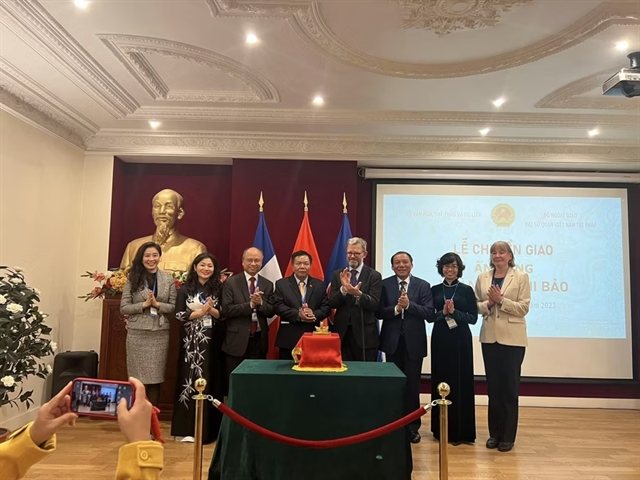
The push has real momentum behind it. In November 2023, the famous 'Hoàng đế chi bảo' (Emperor's Treasure) gold seal was handed back to Vietnam at a ceremony at the Vietnamese Embassy in France — a high-profile symbol of what this kind of patient diplomacy can achieve.
The scheme runs in two phases. Between 2026 and 2030, officials will focus on building a comprehensive inventory of Vietnamese heritage items held overseas that qualify as national treasures or rare antiques, drafting professional guidelines for recovery, and digitising every dossier into the National Cultural Heritage Database. From 2031 to 2035, the goal becomes concrete: process at least 50 cases and physically bring at least 30 items back to Vietnam. Along the way, more than 60 specialists will be trained in appraisal, negotiation and international law to form a standing national repatriation team.
Everything that returns will be registered, preserved and displayed according to law, with conservation tailored to each object's condition and value. The programme is anchored in the 2024 Law on Cultural Heritage and the 1970 UNESCO Convention, and it also commits Vietnam to deeper international cooperation on tracing and combating the illicit trade in cultural artefacts.
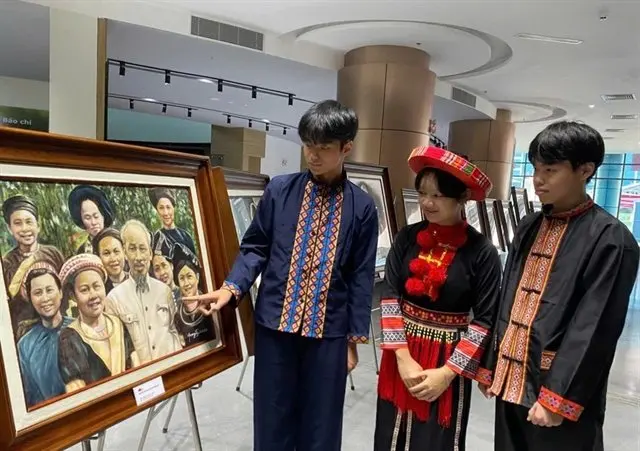
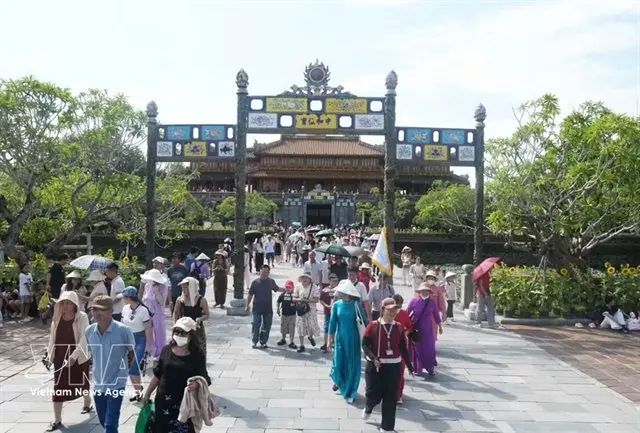
For travellers, the payoff is a richer museum experience in the years ahead. Items like imperial seals, ceremonial gold and historical documents scattered across foreign collections tell the story of Vietnam's dynasties and colonial-era losses — and many will eventually end up on public display in Hanoi and beyond. If your trip includes the National History Museum in Hanoi or Ho Chi Minh City's museums, keep an eye on new acquisitions and special exhibitions: returning treasures tend to arrive with fanfare and temporary displays worth timing a visit around. For anyone interested in heritage, decolonisation of collections or how nations recover looted artefacts, Vietnam is quietly becoming one of the more active case studies in Southeast Asia.