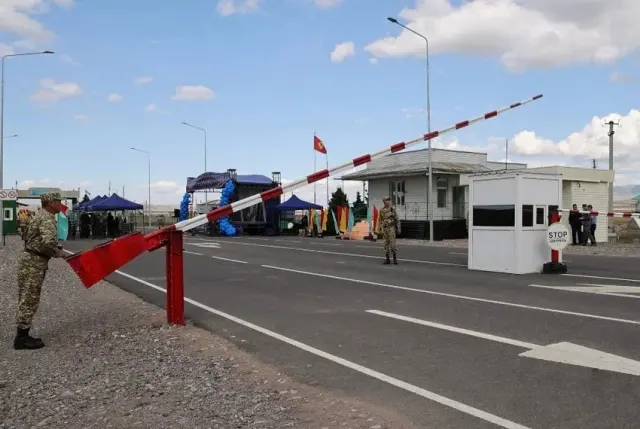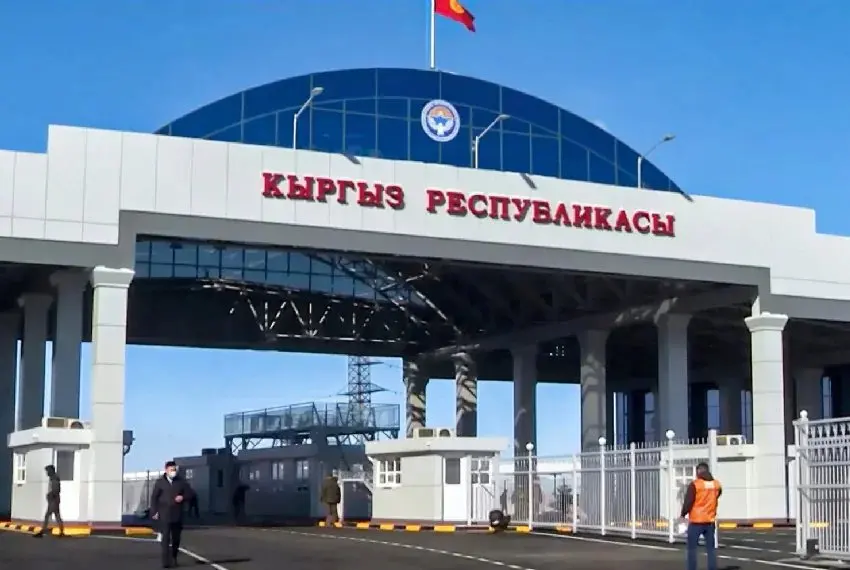
Crossing the land border between Kyrgyzstan and Kazakhstan is getting smoother. Kyrgyzstan's ambassador to Kazakhstan, Kudaibergen Bazarbaev, told parliament that inspections of Kyrgyz vehicles at the shared border have dropped sharply: from roughly 10 percent of crossings in 2022 to about 3 percent by the end of 2025. In concrete terms, only 643 of the 18,254 vehicles that crossed last year were checked, and the ambassador says there are currently no significant hold-ups for Kyrgyz traffic.
Inspections haven't disappeared entirely, and there's a reason for that. Border officers are still catching violations — last spring, trucks carrying 18 people trying to enter a third country illegally were stopped at the Kazakh border. So expect random checks to continue even as the overall trend stays downward.
The bigger news for anyone travelling into Kazakhstan is the fate of QazETA, Kazakhstan's electronic travel authorisation system. It was originally due to become a paid requirement in 2026, but after negotiations Bishkek secured two concessions: the fee has been scrapped for Kyrgyz citizens and the launch pushed back to July 1, 2027. Kazakhstan also exempts 29 categories of travellers for stays of up to 72 hours, including children under 16, people over 65 and labour migrants — a notable carve-out given that an estimated 67,000 to 70,000 Kyrgyz citizens work in Kazakhstan. Following a meeting between the two countries' prime ministers on October 30, Kazakhstan's Interior Ministry agreed to look at expanding the exempt list further.
So what does this mean for a holidaymaker? If you're planning a trip that combines Kyrgyzstan's mountains and lakes with Kazakhstan's steppe cities or Almaty, the border is currently the least of your worries: vehicle checks are rare and the next round of paperwork changes is nearly two years away. Until mid-2027, most visitors can cross without navigating the new digital permit, and even after QazETA goes live, many short-stay travellers will fall under exemptions. Anyone planning a longer stay or crossing after the system launches should keep an eye on official announcements and allow a little extra time at the border in the early days of any new rules. The overall direction of travel, quite literally, is towards easier crossings.