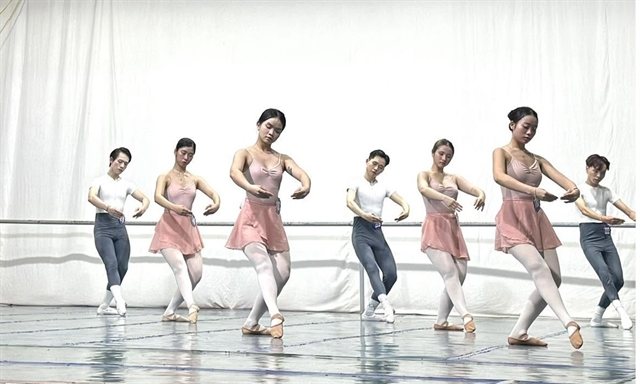
Vietnam's Ministry of Culture, Sports and Tourism is putting young dance talent centre stage. From November 3 to 12, 2026, 188 students aged 14 to 35 from art schools across the country will compete in the first-ever National Student Dance Talent Competition, with events split between Hanoi and Ho Chi Minh City.
The contest covers four disciplines: ballet, contemporary dance, folk dance and choreography — a mix that says a lot about where Vietnamese dance is heading. Organisers are actively encouraging contestants to dig into the country's cultural and historical heritage and to experiment with new forms that blend traditional and contemporary movement. So alongside classical ballet variations, expect folk routines rooted in regional traditions and choreographic pieces that push boundaries.
Judging will be rigorous. Performances are assessed on technique, movement vocabulary, performance skills, artistic expression, creativity and overall impact. A five-member panel of artists, educators and industry experts is chaired by People's Artist Hà Thế Dũng, vice president of the Vietnam Dance Artists Association and chairman of the HCM City Dance Artists Association's art council.
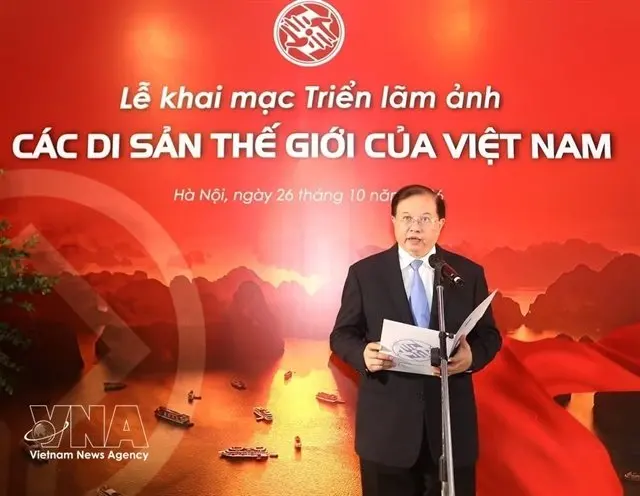
Deputy Minister Tạ Quang Đông framed the event as both a progress report and a talent pipeline. Dance training programmes at home and abroad have had strong state backing in recent years, and the ministry wants to measure the results while giving students a national platform. The stated aim: discover and nurture the next generation of Vietnamese dance professionals.
For travellers, the timing is genuinely convenient. Early-to-mid November is one of the best windows to visit Vietnam — the autumn weather in Hanoi is mild, and Ho Chi Minh City is past its rainiest stretch. If your trip overlaps with the competition dates, catching a session would be a rare look at Vietnam's performing arts scene beyond the usual water puppet and dinner-show circuit. Student competitions also tend to be energetic, affordable and far less polished than tourist-oriented productions, which is part of the appeal.
Even if dance isn't your thing, both host cities punch well above their weight culturally. Hanoi has the Vietnam National Academy of Music, the Temple of Literature and a superb old quarter, while Ho Chi Minh City offers the Opera House, the Fine Arts Museum and a food scene worth the flight alone. Building a few days around the competition would let you pair performances with proper city time in two very different Vietnamese capitals.
Full details on venues, session times and tickets should follow closer to the date via the Ministry of Culture, Sports and Tourism — worth checking if you'll be in either city in November 2026.