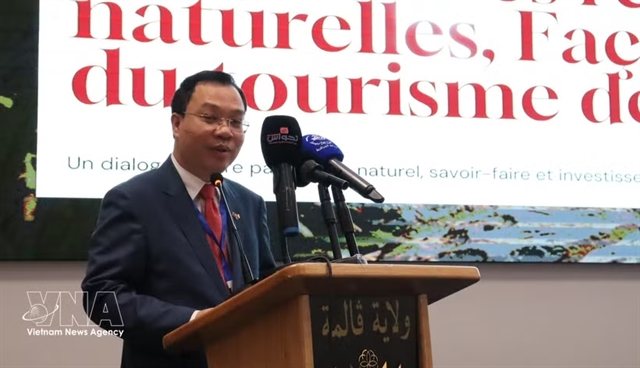
Hot springs aren't the first thing most people associate with Vietnam, but the country has quietly built a serious wellness-tourism sector — and it's now confident enough to export the idea. At a thermal tourism forum in Guelma, Algeria, on 26 October, Vietnamese Ambassador Vũ Duy Long laid out how Vietnam turned its geothermal springs and coastline into resorts that pull in visitors all year round.
The pitch wasn't just diplomatic pleasantries. Vietnam's approach blends hot spring bathing with resort hotels, therapy services and real estate, which smooths out the seasonality that usually hits beach destinations. Japanese collaboration has brought Onsen bathing standards and closed-loop mineral water filtration technology, while European partners contributed know-how in physical therapy and rehabilitation management.
The results are tangible. Landmark projects like Yoko Onsen Quang Hanh and Đà Nẵng Mikazuki each generate an estimated $15–25 million in direct annual revenue, and the wider tourism sector now brings in over $30 billion a year, contributing roughly 8–10 percent of Vietnam's GDP. The ambassador also flagged how wellness fits into a broader product mix — Hạ Long Bay, the caves of Phong Nha, island escapes at Phú Quốc and Nha Trang, river ecotourism and food-focused trips — all of which nudges visitors to stay longer and spend more.
For Algeria, the forum was about unlocking its own potential: the country counts 282 hot springs spread across 40 provinces, and Tourism Minister Houria Meddahi sees thermal tourism as a route to diversifying the economy, creating jobs and drawing investment. Talks covered upgrading resorts to international standards, cutting red tape for investors and improving training and marketing. Vietnam, for its part, offered to connect Algerian experts and tour operators with Vietnamese partners and to help with visa support for delegations and travel groups heading east.
Why should a traveller care? Because Vietnam's hot spring scene is expanding fast and increasingly rivals Japan's onsen towns — often at a fraction of the price. Yoko Onsen Quang Hanh, in Quảng Ninh province near Hạ Long Bay, is the flagship: a large-scale Japanese-style onsen complex where you can soak in mineral baths and pair it with a bay cruise. Đà Nẵng Mikazuki adds hot spring facilities to a central-coast city better known for beaches and the Marble Mountains.
If you're plotting a trip, the formula works well as a two-centre holiday: a few nights of onsen-style soaking and spa treatments, then caves, islands or street food. As Vietnam courts more international partners and investors, expect more polished thermal resorts to open — meaning the window for experiencing these places before they get busier is worth thinking about. And if you happen to be headed to North Africa instead, keep an eye on Algeria: with 282 springs and a government keen to develop them, thermal tourism there could be one to watch over the next few years.