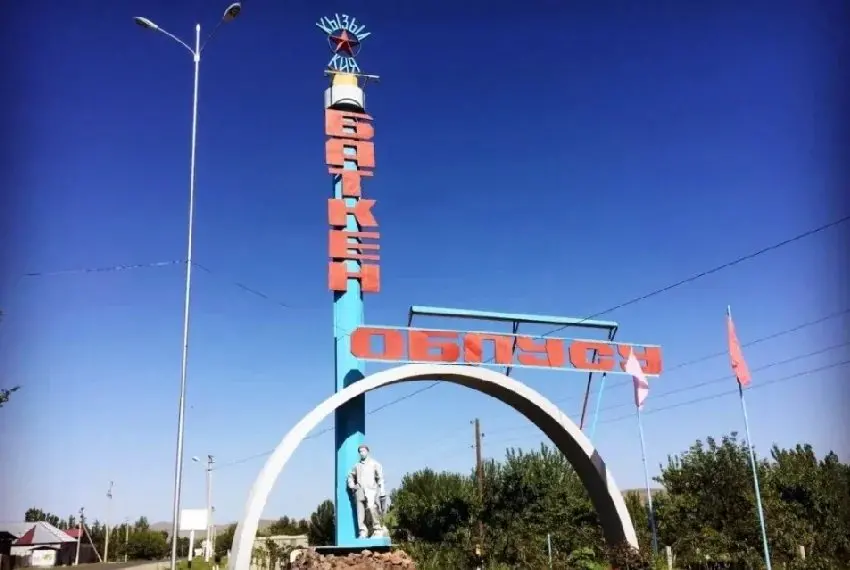
One of Central Asia's more remote corners is getting a long-overdue upgrade. Kyrgyzstan's Batken region, tucked into the country's southwestern edge where it borders Tajikistan and Uzbekistan, is the focus of a water infrastructure project backed by German government funding through the PATRIP Foundation. It runs under the name "Water for Peace: Climate-Resilient and Peaceful Communities", with Mercy Corps and PATRIP involved on the ground.
The scheme covers 27 border villages. Work has already started in five of them — Pasky-Aryk, Samarkandek, Ak-Tatyr, Kapchygai and Kok-Tash — all in Batken district, where irrigation canals and drinking water systems are being modernised. The details were discussed at a meeting between Deputy Presidential Envoy Abdirashit Tashbaltaev and representatives of the two organisations, and local officials have been quick to thank the German government for the support.
What does the money actually do? In practical terms: better irrigation for farmland, more reliable drinking water for residents, and a stronger base for the small-scale agriculture that keeps these communities going. There's also a diplomatic thread running through it — the project is explicitly framed as a way to build stability and good-neighbourly relations in a border zone that has seen tension in recent years.
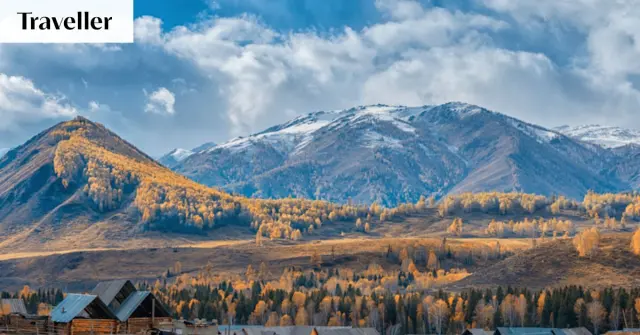
For travellers, the connection is indirect but real. Batken is one of the least-visited parts of an already under-visited country, yet it holds some of Kyrgyzstan's most striking landscapes — the marble peaks around the Turkestan range, remote trekking valleys and villages where tourism is still a novelty. Reliable water infrastructure in places like Samarkandek or Kok-Tash means healthier communities, more productive farms (which means better food when you pass through) and, over time, a region that's easier and more comfortable to explore. Development projects like this tend to quietly pave the way for the homestays, guesthouses and local guides that adventure travellers depend on.
If Batken isn't on your radar yet, this is a decent reason to keep an eye on it. Kyrgyzstan's better-known trekking hubs — Karakol, Song-Kul, Jyrgalan — get the headlines, but the southwest offers a rougher, more independent edge-of-the-map experience. Just know that infrastructure here is basic and changing slowly; projects like this one are steps in a longer process, not a overnight transformation. Go now if you want it wild; go in a few years if you want it slightly less wild.
The parties involved have agreed to keep cooperating on projects to improve living conditions in the region, so more announcements are likely as the work rolls out across the remaining villages.