Travellers in Vietnam next November could find themselves in the middle of the country's biggest cultural push yet. A new directive signed by Prime Minister Lê Minh Hưng on September 30 ties Vietnamese Culture Day, marked each year on November 24, to the National Great Unity Festival on November 18, creating a week-long programme of events across the whole country in 2026.
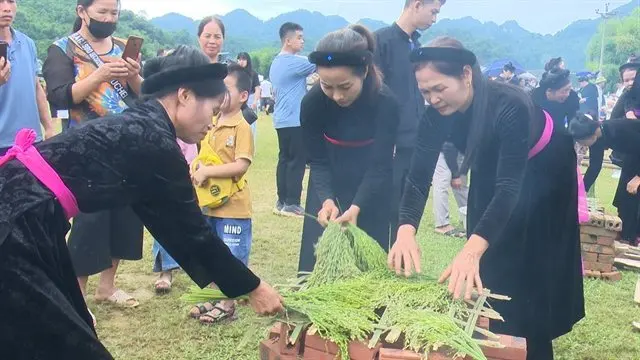
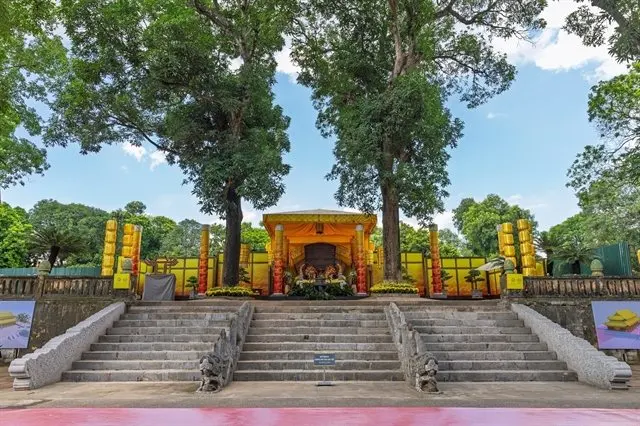
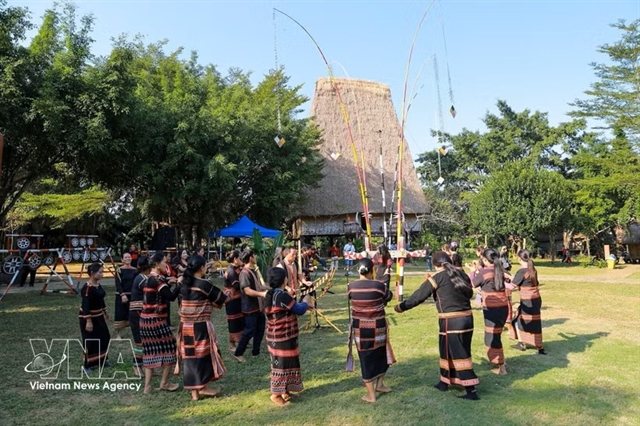
The plan, which follows a January 2026 Party resolution designating November 24 as Culture Day, is deliberately broad. Expect food festivals, folk songs and dances, traditional dress, folk games and crafts, plus exhibitions and performances in museums, libraries, heritage sites and public squares. Localities have been told to run events in villages, residential areas and community spaces rather than just official venues, with residents meant to be participants as much as spectators.
Two details stand out for visitors. First, every province and commune must pick at least one standout cultural activity, product or story and link it explicitly to tourism promotion. Second, the Ministry of Culture, Sports and Tourism has been tasked with launching a Vietnam Cultural Digital Map by November 15 — an online guide listing locations, events and programmes, which should make it far easier to find out what is happening where, and when, if you happen to be travelling during the week.
There is also a modern streak running through the directive: organisers are encouraged to use virtual reality, AI and multimedia to present cultural stories, and mobile events will be brought to remote, border and island communities as well as ethnic minority areas. Vietnamese communities abroad will host parallel cultural exchanges aimed at international audiences.
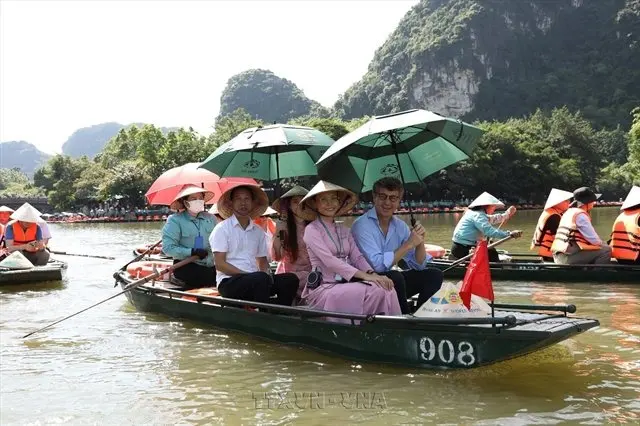
Even after the official week ends, communes are expected to keep at least one chosen activity or model running, so grassroots cultural programming should continue well beyond November. For anyone planning a trip around the festivities, late November is a smart window: the weather is generally cooler and drier in the north, and the emphasis on craft villages, culinary festivals and traditional performances makes it easy to build an itinerary around authentic local culture rather than staged shows.