Lebanon's favourite wine celebration is back. Vinifest runs for its 16th edition from 1 to 3 October 2026, and for the first time it takes place at Beirut Hall in Sin El Fil — a new venue for an event that has become a fixture on the country's cultural calendar.
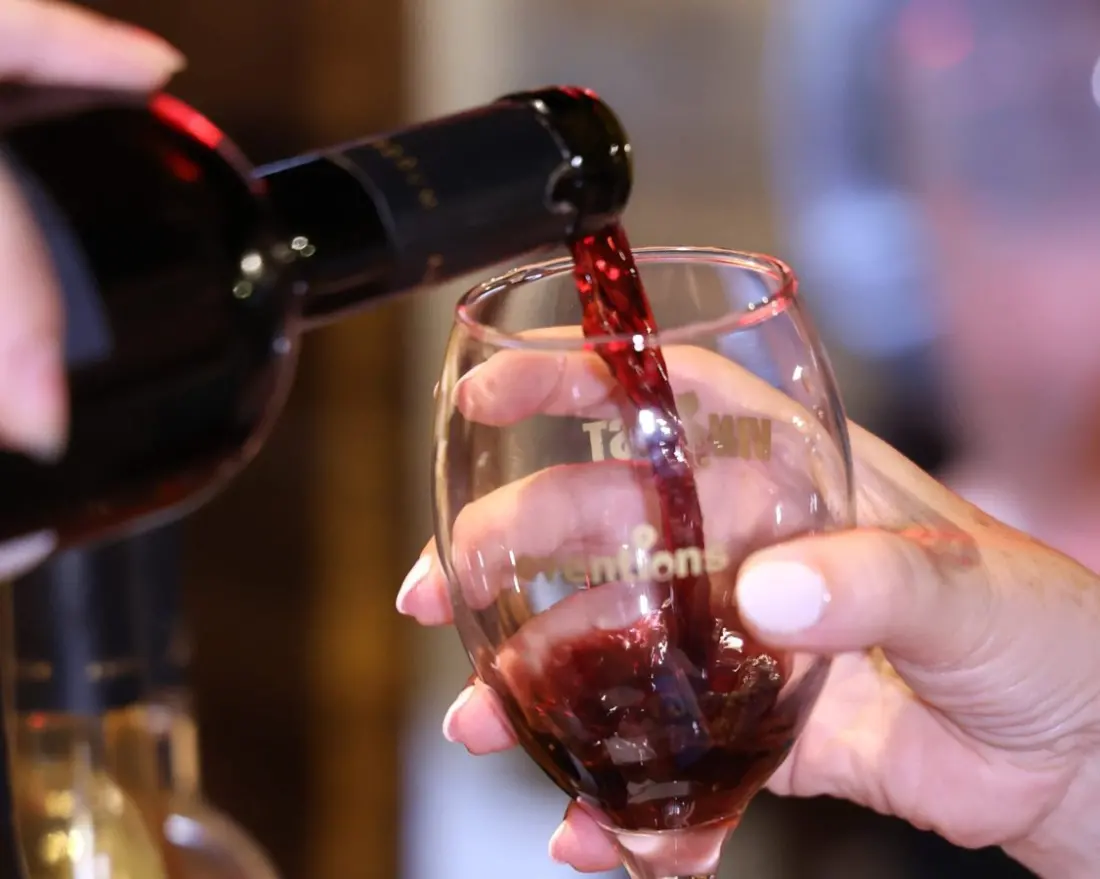
Three days are dedicated entirely to Lebanese wine. Visitors can pour and compare a wide range of bottles from producers across the country, from Bekaa Valley stalwarts to smaller boutique labels, and — crucially — talk to the winemakers themselves. That direct access is part of what sets Vinifest apart from a generic tasting fair: the people behind the wineries are on hand to explain what they do and why Lebanese wine tastes the way it does.
The festival serves two audiences at once. For locals and visitors it's a relaxed way to explore the breadth of a winemaking tradition that stretches back millennia; for the industry it's a yearly meeting point where producers, sommeliers and trade professionals connect and do business. That dual role has helped Vinifest grow into one of Lebanon's leading wine events, giving small wineries a platform they wouldn't otherwise get in front of a large, curious crowd.
Organisers say the move to Beirut Hall signals a fresh chapter, but the ethos stays the same: wine, culture and conviviality. Expect a similar format to past editions — open tastings, producer stands and a sociable, festival-like atmosphere — just in a bigger, newer setting with room to grow.
Why should a traveller care? Lebanese wine is having a moment internationally, and there's no faster way to get oriented than an afternoon at Vinifest. In one visit you can map out which wineries you want to visit in person — many are an easy drive from Beirut in the Bekaa Valley and Batroun — and arrive with names, faces and favourites already in mind. If you're planning an autumn trip to Lebanon, timing it around 1–3 October 2026 makes a lot of sense. Entry details and ticketing are typically announced closer to the date, so keep an eye on the festival's channels.
Even if you can't make the festival dates, it's a useful snapshot of what Lebanese wine offers right now: increasingly confident reds built on Cinsault, Cabernet and native varieties, crisp coastal whites, and a scene where family-run estates sit comfortably alongside internationally known names. Tasting them all in one hall, with the winemakers pouring, is a shortcut that usually takes weeks of travel.
First-timers should come with a plan — the number of producers means it pays to pace yourself, eat beforehand and note the stand numbers you want to revisit. And after the tasting, Beirut's restaurant scene is a short ride away, where many of the same wines appear on wine lists at very reasonable prices.