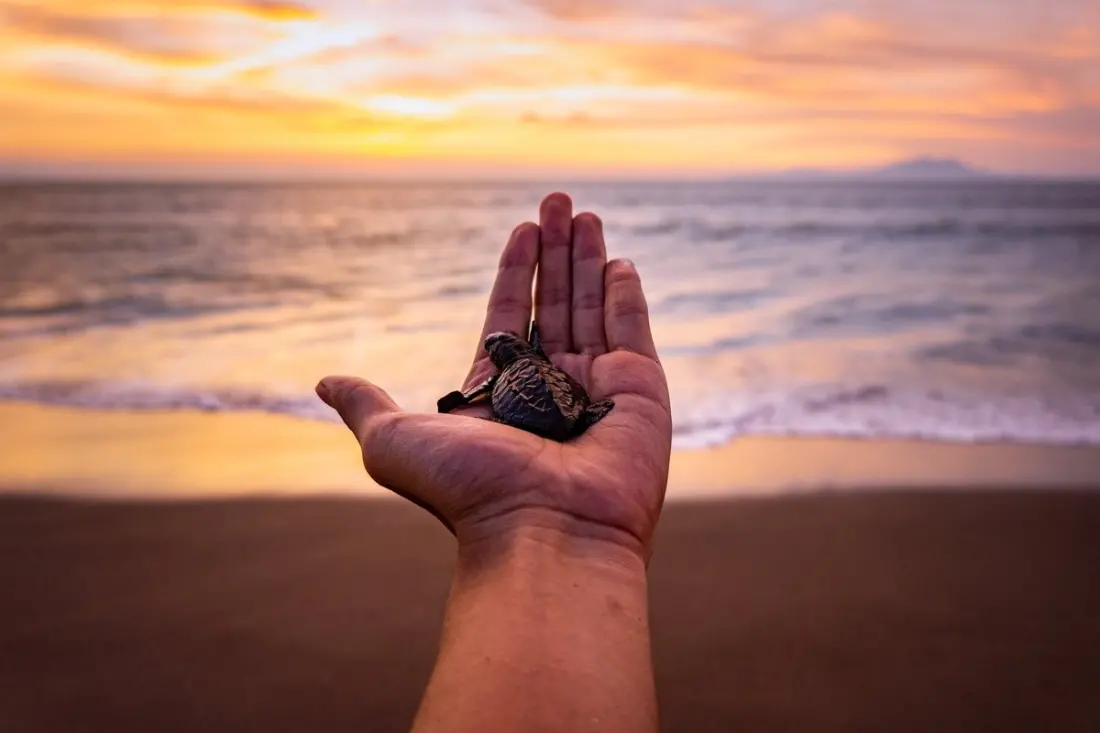
Sea turtle sanctuaries, rural development projects, teaching placements — Mexico draws thousands of foreign volunteers every year. And the paperwork question that comes up again and again is surprisingly simple to answer: for unpaid volunteer work, you usually don't need a special visa at all.
If you've arranged a volunteer placement in advance, you can enter Mexico on the standard Visitor's Permit, known as the Forma Migratoria Multiple (FMM) — the same permit issued to ordinary tourists. It's valid for up to 180 days, a shade under six calendar months. Since most volunteer stints fall well inside that window, the FMM covers the majority of placements without any extra steps.
Two scenarios do complicate things. First, if your assignment runs longer than 180 days, you'll need to apply for a Residente Temporal visa, which allows stays of at least a year. Second — and this is the trap to watch for — the FMM strictly prohibits any paid or lucrative activity. If your volunteer role morphs into a paid position, the organisation must sponsor a change of immigration status. And here's the catch many travellers miss: if you're already in Mexico when this happens, the process requires you to leave the country and have the Temporary Residency Visa issued at a Mexican consulate abroad, then return with the visa sticker in your passport and exchange it for a residency card. There's no in-country switch.
The good news for spontaneous helpers: if you arrive in Mexico as a tourist and then decide to take up some volunteering while you're there, you're fine as long as the work remains unpaid. No change of immigration status is required.
One practical add-on worth sorting regardless of permit type: extended-stay emergency medical insurance. Travel insurance bought for a two-week beach holiday rarely covers months-long placements, and volunteer work in rural or coastal areas — think sea turtle camps on remote beaches — can mean being far from private healthcare. Sorting proper cover before departure is cheap peace of mind.
For travellers, this opens up a genuinely affordable way to spend meaningful time in Mexico. Conservation projects, teaching and skills-based placements often provide accommodation or meals in exchange for work, stretching a travel budget far beyond what a regular holiday allows. The main rule to internalise: unpaid equals easy entry on a tourist permit, but the moment money enters the equation, sponsorship and a consulate visit become part of the plan. Anyone planning to convert a volunteer gig into paid work should build that consular trip into their itinerary from the start.
If your plans drift toward long-term residency — some volunteers fall in love with the place — Mexico's Temporary and Permanent residency routes have their own financial criteria and application processes, which are well worth researching before your first FMM stamp rather than after.