Somewhere around 200 km from Santiago — the walker is counting down now — a solo pilgrimage quietly stops being solo. That's the story in a diary entry from an American pilgrim walking the Camino Francés in autumn, published by The Trek.
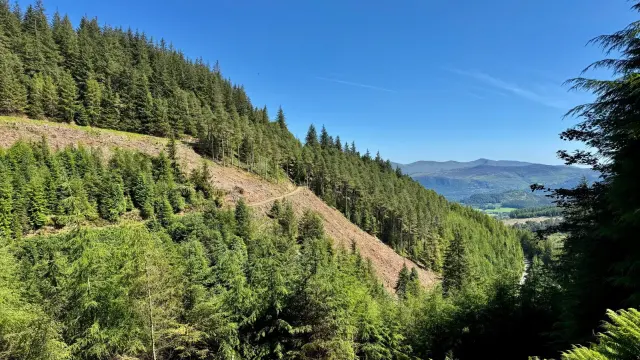
The day starts outside Ponferrada in Castile and León, under a clear dawn sky with autumn colour at its peak: reds, yellows and greens lining the road west. At the 200 km marker, a vendor sells wax stamps for pilgrim passports — the credencial that pilgrims get stamped along the way to prove they've walked, and a keepsake that doubles as a time capsule. With an Einaudi playlist for company, the writer notices a mental shift: after a month on the trail, solitude matters less and the friendships matter more. A day-32 trail family — self-named "Familia Real", including an Italian walking companion who buys pastries and dances to Latino music on the climbs — has become the point of the journey.
The day ends in Villafranca del Bierzo, a small mountain town on the final stretch of the Camino, at a hostel repeatedly recommended by other pilgrims: Ave Fénix Pilgrims Hostel. It's rustic in the best sense — stone and old wooden beams, a wood stove, ham curing from the ceiling. The owner, Jesús, described as a Camino legend, built the place stone by stone himself. Before a donation-based spaghetti dinner, he gathers the pilgrims to hold hands, invokes the four elements and blesses those heading to Santiago — then insists everyone serve their own plate. It's the kind of ritual that explains why people describe the Camino as something more than a long walk.
For anyone planning the final stage of the French Way, this stretch from Ponferrada through Villafranca del Bierzo is a useful snapshot of what it's like: undulating terrain through Bierzo vineyards, autumn colour (October is arguably at its best), easy access to snacks like chorizo bocadillos, and hostel culture at its warmest. The donativo model — pay what you feel the meal and bed were worth — still runs at many albergues on this route, and small gestures like wax seals on your pilgrim passport are part of the last-200-km experience.
Who is this for? Anyone weighing up the Camino but worried it's lonely, or too demanding. The entry is honest about the low-energy days — a nap on a bunk before dinner is treated as a win — and shows how the trail supplies companionship organically. By day 32, the hardest part isn't the walking; it's the goodbyes waiting at the end in Santiago de Compostela.