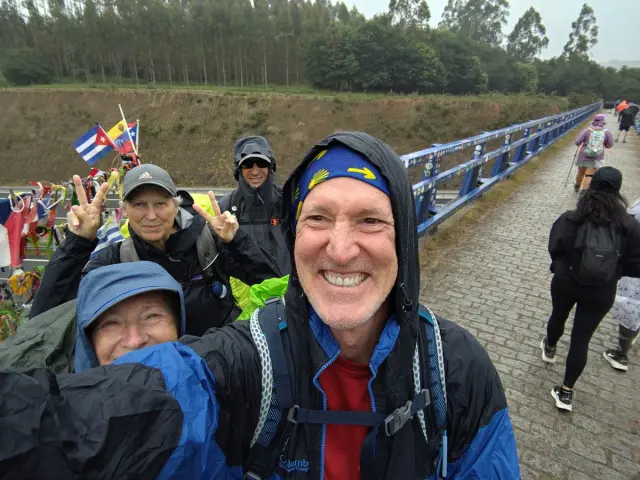
Finisterre, the lighthouse-topped Galician cape the Romans called the end of the earth, is where many Camino de Santiago pilgrims keep walking after Santiago itself. One hiking couple recently covered the final stretch from Corcubión — a 6.8-mile day that capped 540.6 total Camino miles — and their arrival had everything the route is known for: coastal drama, pilgrim camaraderie, and one very unwelcome souvenir.
The drama came first. After a night in a packed shared dorm in Olveiroa, bug bites turned out to be bed bugs, confirmed by the telltale welt pattern by the time they reached Corcubión. Their response was thorough: a two-hour 95°C (200°F) wash cycle in an apartment machine, then 42 minutes in industrial dryers at a local laundromat. The bugs and eggs didn't survive, but a favourite Patagonia shirt shrank several inches and some garments emerged melted or oddly recoloured — a cautionary tale about the honest costs of budget dorm beds on the Camino.
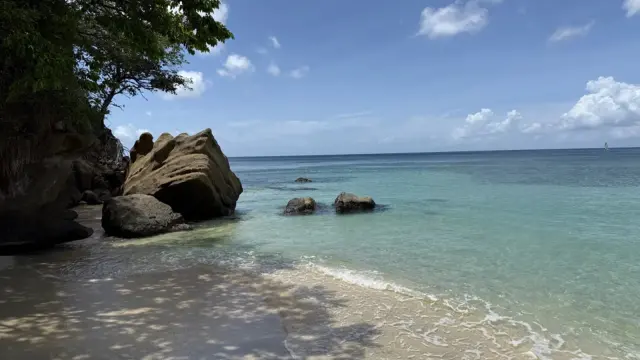
The walking itself is the reward. Out of Corcubión, stone alleys give way to a steep walled climb toward San Roque, where views open across the bay to rugged coastline and mountains. Pilgrims pass stinging nettles and clusters of purple wolfsbane (aconite) — a toxic bloom historically used to poison wolves, and genuinely dangerous if eaten. The route then drops to Estorde, a hamlet in a quiet cove where sand meets forested hills, before a final climb through dense eucalyptus and ferns between five-foot stone walls. The payoff is the Atlantic suddenly appearing, then a steep descent straight onto a wide sandy beach for the last mile into town.
In Finisterre, walkers can collect the Finisterrana, an official certificate marking completion of this extension — the Camino's second stamp-collecting milestone after the Compostela. The town's lighthouse marks the westernmost point of the continent, and celebratory dinners with trail friends ('tramily', in pilgrim slang) are a fixture of the final evening, often followed by the tradition of burning old hiking clothes at the cape.
Who is this for? Anyone who has walked to Santiago and wondered whether the extra 90km to the coast is worth it — it clearly is, for the sea views alone. It's also a practical primer on Camino logistics: private rooms often cost barely more than dorms, and that small upgrade is your best defence against bed bugs. Bring quick-drying clothes that can survive a hot wash, watch what you touch on the trailside, and build a rest day into Finisterre rather than rushing back to Santiago.